Und dann auf "Zum Home-Bildschirm [+]".

Stöbern
genialokal zum Startbildschirm hinzufügen
Installieren Sie die genialokal App auf Ihrem Startbildschirm für einen schnellen Zugriff und eine komfortable Nutzung.
Installieren Sie die genialokal App auf Ihrem Startbildschirm für einen schnellen Zugriff und eine komfortable Nutzung.
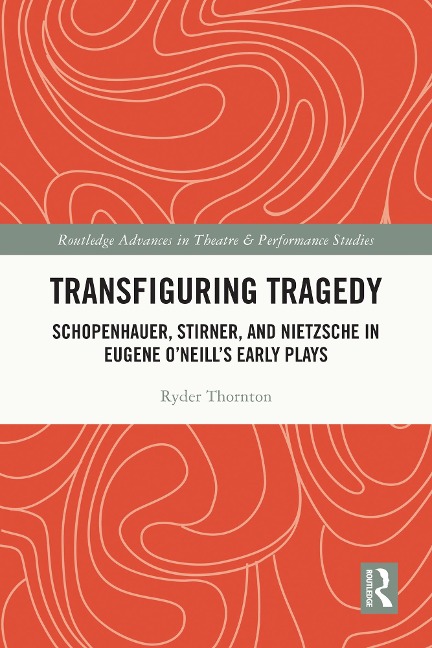
This book demonstrates Eugene O'Neill's use of philosophy in the early period of his work and provides analyses of selected works from that era, concluding with The Hairy Ape, completed in 1921, as an illustration of the mastery he had achieved in dramatizing key concepts of philosophy. Analyses of one-act and full-length plays from 1913 to 1921 reveal the influence of the three philosophers and establish that O'Neill was fundamentally a philosophic playwright, even from his earliest dramatic sketches. Specific concepts from Schopenhauer, Stirner, and Nietzsche went into O'Neill's shaping of character arcs, dramatic circumstances, symbology, and theme. Among them are Schopenhauer's concept of will and representation, Stirner's notion of possession, and Nietzsche's principle of the Apollonian-Dionysian duality. These ideas were foundational to O'Neill's construction of tragic irony apparent in his early period plays. The critical concepts of these three philosophers are the major pathways in this study. However, such an approach inevitably reveals other layers of spiritual influence, such as Catholicism and Eastern philosophy, which are touched on in these analyses. This book is a much-needed introduction to philosophic concepts in Eugene O'Neill's early work and would be of great interest to students and scholars in theatre studies and philosophy.
Ryder Thornton is a Senior Professor of Practice in the Department of Theatre and Dance at Tulane University, USA.
1. Suffering and Solace: Nietzsche and Schopenhauer in the Early One-Act Plays 2. Rites of Passage: Suffering, Illusion, and Possession in the Glencairn Plays 3. Tragedies of Ownness: Stirner's Philosophy of Egoism in the First Full-length Plays 4. Drums and the Man: Ceremony, Power, and Race in The Emperor Jones 5. "New Forces Out of the Old": Nietzsche, Stirner, Christian Symbolism, and Vedantic Philosophy in "Anna Christie" 6. Apes and Ghosts: Philosophy, Tragedy, and Comedy in The Hairy Ape
Dieses eBook wird im PDF-Format geliefert und ist mit einem Adobe Kopierschutz (DRM) versehen. Sie können dieses eBook mit allen Geräten lesen, die das PDF-Format und den Adobe Kopierschutz (DRM) unterstützen.
Zum Beispiel mit den folgenden Geräten:
• tolino Reader
Laden Sie das eBook direkt über den Reader-Shop auf dem tolino herunter oder übertragen Sie das eBook auf Ihren tolino mit einer kostenlosen Software wie beispielsweise Adobe Digital Editions.
• Sony Reader & andere eBook Reader
Laden Sie das eBook direkt über den Reader-Shop herunter oder übertragen Sie das eBook mit der kostenlosen Software Sony READER FOR PC/Mac oder Adobe Digital Editions auf ein Standard-Lesegeräte mit epub- und Adobe DRM-Unterstützung.
• Tablets & Smartphones
Möchten Sie dieses eBook auf Ihrem Smartphone oder Tablet lesen, finden Sie hier unsere kostenlose Lese-App für iPhone/iPad und Android Smartphone/Tablets.
• PC & Mac
Lesen Sie das eBook direkt nach dem Herunterladen mit einer kostenlosen Lesesoftware, beispielsweise Adobe Digital Editions, Sony READER FOR PC/Mac oder direkt über Ihre eBook-Bibliothek in Ihrem Konto unter „Meine eBooks“ - „online lesen“.
Schalten Sie das eBook mit Ihrer persönlichen Adobe ID auf bis zu sechs Geräten gleichzeitig frei.
Bitte beachten Sie, dass die Kindle-Geräte das Format nicht unterstützen und dieses eBook somit nicht auf Kindle-Geräten lesbar ist.