Und dann auf "Zum Home-Bildschirm [+]".

Stöbern
genialokal zum Startbildschirm hinzufügen
Installieren Sie die genialokal App auf Ihrem Startbildschirm für einen schnellen Zugriff und eine komfortable Nutzung.
Installieren Sie die genialokal App auf Ihrem Startbildschirm für einen schnellen Zugriff und eine komfortable Nutzung.
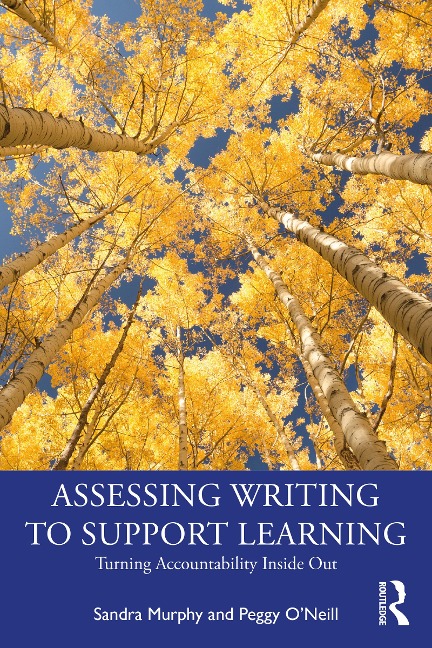
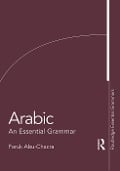
In this book, authors Murphy and O'Neill propose a new way forward, moving away from high-stakes, test-based writing assessment and the curriculum it generates and toward an approach to assessment that centers on student learning and success. Reviewing the landscape of writing assessment and existing research-based theories on writing, the authors demonstrate how a test-based approach to accountability and current practices have undermined effective teaching and learning of writing. This book bridges the gap between real-world writing that takes place in schools, college, and careers and the writing that students are asked to do in standardized writing assessments to offer a new ecological approach to writing assessment. Murphy and O'Neill's new way forward turns accountability inside out to help teachers understand the role of formative assessments and assessment as inquiry. It also brings the outside in, by bridging the gap between authentic writing and writing assessment. Through these two strands, readers learn how assessment systems can be restructured to become better aligned with contemporary understandings of writing and with best practices in teaching. With examples of assessments from elementary school through college, chapters include guidance on designing assessments to address multiple kinds of writing, integrate reading with writing, and incorporate digital technology and multimodality. Emphasizing the central role that teachers play in systemic reform, the authors offer sample assessments developed with intensive teacher involvement that support learning and provide information for the evaluation of programs and schools. This book is an essential resource for graduate students, instructors, scholars and policymakers in writing assessment, composition, and English education.
Sandra Murphy is Professor Emerita at University of California, Davis, USA. Peggy O'Neill is Professor of Writing at Loyola University Maryland, USA.
Acknowledgements 1. Why Do We Need to Remodel Our Accountability and Assessment Systems and Why Now? What do we mean by assessment? How have high-stakes accountability policies impacted writing curriculum? 2. What Do Assessment Concepts Tell Us about the Limitations of Traditional Approaches to the Large-Scale Assessment of Writing? Reliability Validity Implications for rebuilding the system 3. How Have Theories of Writing and Learning Evolved? Conceptions of writing: Shifting toward the social Conceptions of writing: Emphasizing the social context Conceptions of learning: Shifting toward the social Implications of contemporary conceptions of writing and learning for the teaching of writing 4. Redesigning Assessments to Support Learning and Align with a Complex Cognitive and Social Construct of Writing Using assessment to promote learning Assessing a complex cognitive and socially situated construct of writing in large-scale systems Designing performance assessments and portfolios to support learning Taking social perspectives on learning, accountability, and assessment 5. Redesigning and Renovating Writing Assessment: Engaging Teachers and Students Investing in teachers and students Investing in teachers' professional development Involving teachers in the development and scoring of assessments Encouraging collaboration across different levels of the system Supporting and reinforcing the teacher's role in formative assessment Turning accountability inside out 6. An Ecological Approach to Writing Assessment Ecology in writing studies Writing assessment ecologies Ecological validity Taking an ecological approach to assessment
Dieses eBook wird im PDF-Format geliefert und ist mit einem Adobe Kopierschutz (DRM) versehen. Sie können dieses eBook mit allen Geräten lesen, die das PDF-Format und den Adobe Kopierschutz (DRM) unterstützen.
Zum Beispiel mit den folgenden Geräten:
• tolino Reader
Laden Sie das eBook direkt über den Reader-Shop auf dem tolino herunter oder übertragen Sie das eBook auf Ihren tolino mit einer kostenlosen Software wie beispielsweise Adobe Digital Editions.
• Sony Reader & andere eBook Reader
Laden Sie das eBook direkt über den Reader-Shop herunter oder übertragen Sie das eBook mit der kostenlosen Software Sony READER FOR PC/Mac oder Adobe Digital Editions auf ein Standard-Lesegeräte mit epub- und Adobe DRM-Unterstützung.
• Tablets & Smartphones
Möchten Sie dieses eBook auf Ihrem Smartphone oder Tablet lesen, finden Sie hier unsere kostenlose Lese-App für iPhone/iPad und Android Smartphone/Tablets.
• PC & Mac
Lesen Sie das eBook direkt nach dem Herunterladen mit einer kostenlosen Lesesoftware, beispielsweise Adobe Digital Editions, Sony READER FOR PC/Mac oder direkt über Ihre eBook-Bibliothek in Ihrem Konto unter „Meine eBooks“ - „online lesen“.
Schalten Sie das eBook mit Ihrer persönlichen Adobe ID auf bis zu sechs Geräten gleichzeitig frei.
Bitte beachten Sie, dass die Kindle-Geräte das Format nicht unterstützen und dieses eBook somit nicht auf Kindle-Geräten lesbar ist.