Und dann auf "Zum Home-Bildschirm [+]".

Stöbern
genialokal zum Startbildschirm hinzufügen
Installieren Sie die genialokal App auf Ihrem Startbildschirm für einen schnellen Zugriff und eine komfortable Nutzung.
Installieren Sie die genialokal App auf Ihrem Startbildschirm für einen schnellen Zugriff und eine komfortable Nutzung.
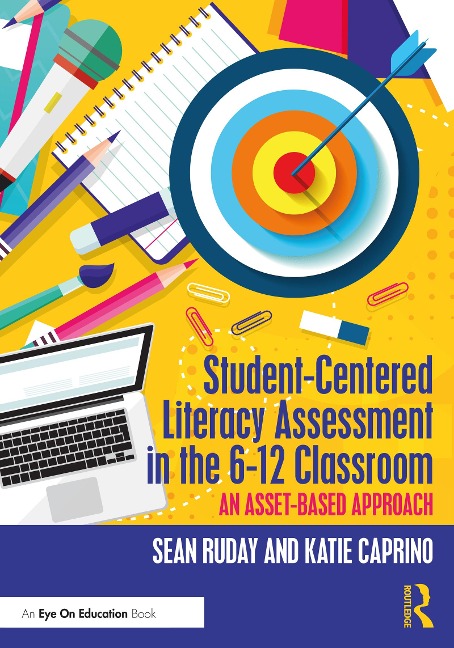
In this practical and accessible book, you'll learn how to create equitable and meaningful assessments in your instruction through an inquiry-based approach. Ruday and Caprino reimagine what asset-based literacy assessments can be and what they look like in practice by understanding that effective, asset-based literacy assessments must center on students: they must incorporate students' unique perspectives, ideas, and experiences in meaningful and relevant ways. Instead of using assessments that focus on identifying what students don't know, the practices presented in this book provide authentic opportunities for students to use what they do know to demonstrate their knowledge of important literacy concepts. The book is organized into three easy-to-use parts that cover: - Key concepts of asset-based assessment - Specific ways that these practices can be put into action - Putting it all together in your own education context. A great resource for busy teachers, this book features a guide for teachers to use during professional development book studies and ready-to-implement templates when applying the assessment practices described in the book.
Sean Ruday is Associate Professor of English Education at Longwood University, USA. Katie Caprino is Assistant Professor of Education, PK-12 New Literacies at Elizabethtown College, USA.
Section One: Key Background and Context Introduction: Time to Reimagine Literacy Assessment Chapter One: Key Principles of Asset-Based Literacy Assessment Chapter Two: Why Should We Adopt an Asset-Based Approach to Literacy Assessment? Section Two: Asset-Based Literacy Assessment Practices Chapter Three: Asset-Based Literature Assessment--Moving Away from Quizzes and Toward Authentic Engagement with Relevant Issues Chapter Four: Asset-Based Writing Assessment--Exploring Societal Change, Multimodal Expression, and Linguistic Diversity Chapter Five: Asset-Based Language Assessment--Using Inquiry and Authentic Application to Engage with Grammar, Vocabulary, and Language Section Three: Putting it Together Chapter Six: How to Make a Case for Asset-Based Literacy Assessment Chapter Seven: Key Recommendations for Implementation Appendix A: A Guide for Book Studies Appendix B: Reproducible Forms and Templates References
Dieses eBook wird im PDF-Format geliefert und ist mit einem Adobe Kopierschutz (DRM) versehen. Sie können dieses eBook mit allen Geräten lesen, die das PDF-Format und den Adobe Kopierschutz (DRM) unterstützen.
Zum Beispiel mit den folgenden Geräten:
• tolino Reader
Laden Sie das eBook direkt über den Reader-Shop auf dem tolino herunter oder übertragen Sie das eBook auf Ihren tolino mit einer kostenlosen Software wie beispielsweise Adobe Digital Editions.
• Sony Reader & andere eBook Reader
Laden Sie das eBook direkt über den Reader-Shop herunter oder übertragen Sie das eBook mit der kostenlosen Software Sony READER FOR PC/Mac oder Adobe Digital Editions auf ein Standard-Lesegeräte mit epub- und Adobe DRM-Unterstützung.
• Tablets & Smartphones
Möchten Sie dieses eBook auf Ihrem Smartphone oder Tablet lesen, finden Sie hier unsere kostenlose Lese-App für iPhone/iPad und Android Smartphone/Tablets.
• PC & Mac
Lesen Sie das eBook direkt nach dem Herunterladen mit einer kostenlosen Lesesoftware, beispielsweise Adobe Digital Editions, Sony READER FOR PC/Mac oder direkt über Ihre eBook-Bibliothek in Ihrem Konto unter „Meine eBooks“ - „online lesen“.
Schalten Sie das eBook mit Ihrer persönlichen Adobe ID auf bis zu sechs Geräten gleichzeitig frei.
Bitte beachten Sie, dass die Kindle-Geräte das Format nicht unterstützen und dieses eBook somit nicht auf Kindle-Geräten lesbar ist.