Und dann auf "Zum Home-Bildschirm [+]".

Stöbern
genialokal zum Startbildschirm hinzufügen
Installieren Sie die genialokal App auf Ihrem Startbildschirm für einen schnellen Zugriff und eine komfortable Nutzung.
Installieren Sie die genialokal App auf Ihrem Startbildschirm für einen schnellen Zugriff und eine komfortable Nutzung.
Ihr gewünschter Artikel ist in 0 Buchhandlungen vorrätig - wählen Sie hier eine Buchhandlung in Ihrer Nähe aus:

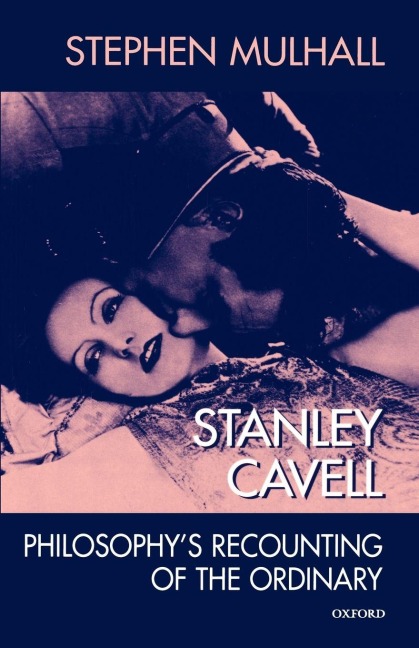
This is the first full-length philosophical study of the work of Stanley Cavell, best known for his seminal contributions to the fields of film studies, Shakespearian literary criticism, and the confluence of psychoanalysis and literary theory. It is not fully appreciated that Cavell's project originated in his interpretation of Austin's and Wittgenstein's ordinary-language philosophy and is given unity by an abiding concern with the nature and the varying cultural manifestations of the skeptical impulse in modernity. This book elucidates the essentially philosophical roots and trajectory of Cavell's work, traces its links with Romanticism and its recent turn toward a species of moral perfectionism associated with Thoreau and Emerson, and concludes with an assessment of its relations to liberal-democratic political theory, Christian religious thought, and feminist literary studies.
Stephen Mulhall is Fellow and Tutor in Philosophy at New College, Oxford. He was previously Reader in Philosophy at the University of Essex.
Introduction: On Saying What We Mean
PART I: PATTERNS, AGREEMENT, AND RATIONALITY
1: Aesthetics: Hume, Kant, and Criticism
2: Morality: Emotivism and Agreement
3: Politics: The Social Contract
PART II: CRITERIA, SCEPTICISM, AND ROMANTICISM
4: Criteria, Scepticism, and the External World
5: Criteria, Scepticism, and Other Minds
6: Criteria, Counting, and Recounting
PART III: COMMON THEMES, COMPETING PERSPECTIVES
Introduction: Redemptive Reading: Refractions and Reflexivities
7: Shakespeare: Scepticism and Tragedy
8: Psychoanalysis: Practices of Recovery
9: Cinema: Photography, Comedy, Melodrama
PART IV: PHILOSOPHY, PEFECTIONISM, AND RELIGION
10: Thoreau: Writing, Mourning, Neighbouring
11: Emerson; Perfectionism, Idiosyncrasy, Justice
12: `Philosophy Cannot Say Sin'
Postscript: Philosophy's Closet
Bibliography
Index