Und dann auf "Zum Home-Bildschirm [+]".

Stöbern
genialokal zum Startbildschirm hinzufügen
Installieren Sie die genialokal App auf Ihrem Startbildschirm für einen schnellen Zugriff und eine komfortable Nutzung.
Installieren Sie die genialokal App auf Ihrem Startbildschirm für einen schnellen Zugriff und eine komfortable Nutzung.
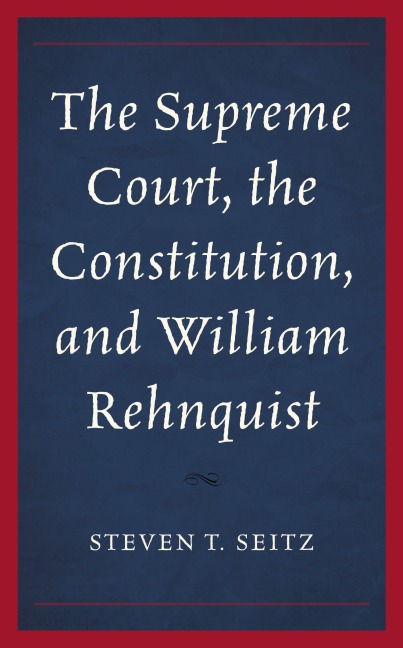
The Founding Fathers wrote the Constitution at a level sufficiently general to guide lawmaking while avoiding great detail. This four-page document has guided the United States of America for more than two centuries. The Supreme Court has parsed the document into clauses, which plaintiffs and defendants invoke in cases or controversies before the Court. Some, like the Interstate Commerce Clause, are central to the survival of a government of multiple sovereignties. The practice of observing case precedents allows orderly development of the law and consistent direction to the lower courts. The Court itself claimed the final power of judicial review, despite efforts to the contrary by the executive and legislative branches of the national government and the state supreme courts. The Court then limited its own awesome power through a series of self-imposed rules of justiciability. These rules set the conditions under which the Court may exercise the extraordinary final power of judicial review. Some of these self-imposed limits are prudential, some logical, and some inviting periodic revision. This book examines the detailed unfolding of several Constitutional clauses and the rules of justiciability. For each clause and each rule of justiciability, the book begins with the brilliant foundations laid by Chief Justice John Marshall, then to the anti-Federalist era, the Civil War, the dominance of laissez faire and social Darwinism, the Great Depression redirection, the civil rights era, and finally the often-hapless efforts of Chief Justice Rehnquist.
Steven T. Seitz is associate professor of political science at the University of Illinois.
Preface
Chapter 1: State Sovereignty
Chapter 2: Full Faith and Credit
Chapter 3: Privileges and Immunities
Chapter 4: Interstate Commerce Clause
Chapter 5: The Administrative State
Chapter 6: Justiciability and Habeas Corpus
Chapter 7: Standing, Ripeness, Political Question
Chapter 8: Federal Question
Works Cited
Cases Cited
Dieses eBook wird im PDF-Format geliefert und ist mit einem Adobe Kopierschutz (DRM) versehen. Sie können dieses eBook mit allen Geräten lesen, die das PDF-Format und den Adobe Kopierschutz (DRM) unterstützen.
Zum Beispiel mit den folgenden Geräten:
• tolino Reader
Laden Sie das eBook direkt über den Reader-Shop auf dem tolino herunter oder übertragen Sie das eBook auf Ihren tolino mit einer kostenlosen Software wie beispielsweise Adobe Digital Editions.
• Sony Reader & andere eBook Reader
Laden Sie das eBook direkt über den Reader-Shop herunter oder übertragen Sie das eBook mit der kostenlosen Software Sony READER FOR PC/Mac oder Adobe Digital Editions auf ein Standard-Lesegeräte mit epub- und Adobe DRM-Unterstützung.
• Tablets & Smartphones
Möchten Sie dieses eBook auf Ihrem Smartphone oder Tablet lesen, finden Sie hier unsere kostenlose Lese-App für iPhone/iPad und Android Smartphone/Tablets.
• PC & Mac
Lesen Sie das eBook direkt nach dem Herunterladen mit einer kostenlosen Lesesoftware, beispielsweise Adobe Digital Editions, Sony READER FOR PC/Mac oder direkt über Ihre eBook-Bibliothek in Ihrem Konto unter „Meine eBooks“ - „online lesen“.
Schalten Sie das eBook mit Ihrer persönlichen Adobe ID auf bis zu sechs Geräten gleichzeitig frei.
Bitte beachten Sie, dass die Kindle-Geräte das Format nicht unterstützen und dieses eBook somit nicht auf Kindle-Geräten lesbar ist.