Und dann auf "Zum Home-Bildschirm [+]".

Stöbern
genialokal zum Startbildschirm hinzufügen
Installieren Sie die genialokal App auf Ihrem Startbildschirm für einen schnellen Zugriff und eine komfortable Nutzung.
Installieren Sie die genialokal App auf Ihrem Startbildschirm für einen schnellen Zugriff und eine komfortable Nutzung.
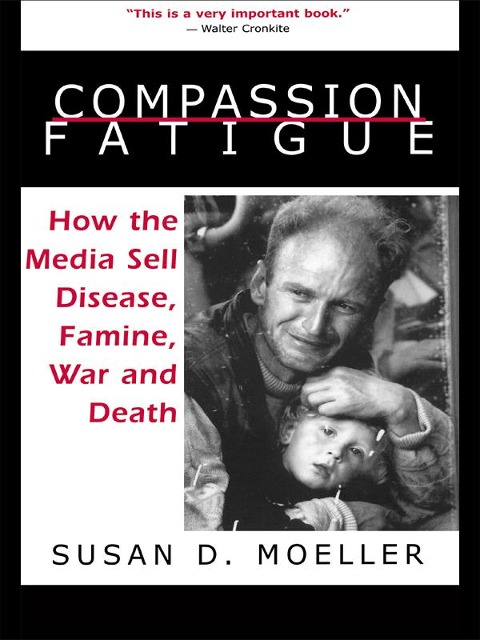
From outbreaks of the flesh eating viruses Ebola and Strep A, to death camps in Bosnia and massacres in Rwanda, the media seem to careen from one trauma to another, in a breathless tour of poverty, disease and death. First we're horrified, but each time they turn up the pitch, show us one image more hideous than the next, it gets harder and harder to feel. Meet compassion fatigue--a modern syndrome, Susan Moeller argues, that results from formulaic media coverage, sensationalized language and overly Americanized metaphors. In her impassioned new book, Compassion Fatigue, Moeller warns that the American media threatens our ability to understand the world around us. Why do the media cover the world in the way that they do? Are they simply following the marketplace demand for tabloid-style international news? Or are they creating an audience that as seen too much--or too little--to care? Through a series of case studies of the Four Horsemen of the Apocalypse--disease, famine, death and war--Moeller investigates how newspapers, newsmagazines and television have covered international crises over the last two decades, identifying the ruts into which the media have fallen and revealing why. Throughout, we hear from industry insiders who tell of the chilling effect of the mega- media mergers, the tyranny of the bottom-line hunt for profits, and the decline of the American attention span as they struggle to both tell and sell a story. But Moeller is insistent that the media need not, and should not, be run like any other business. The media have a special responsibility to the public, and when they abdicate this responsibility and the public lapses into a compassion fatigue stupor, we become a public at great danger to ourselves.
Susan D. Moeller is Director of the Journalism Program and Associate Professor of American Studies at Brandeis University. She has worked as a journalist for national magazines and newspapers and is the author of ShootingWar: Photography and the American Experience of Combat (1989).
Introduction: Riding with the Four Horsemen, ONE Compassion Fatigue, TWO Covering Pestilence: Sensationalizing Epidemic Disease, THREE Covering Famine: The Famine Formula, FOUR Covering Death: The Americanization of Assassinations, FIVE Covering War: Getting Graphic About Genocide, Conclusion, Notes, Acknowledgments, Index
Dieses eBook wird im PDF-Format geliefert und ist mit einem Adobe Kopierschutz (DRM) versehen. Sie können dieses eBook mit allen Geräten lesen, die das PDF-Format und den Adobe Kopierschutz (DRM) unterstützen.
Zum Beispiel mit den folgenden Geräten:
• tolino Reader
Laden Sie das eBook direkt über den Reader-Shop auf dem tolino herunter oder übertragen Sie das eBook auf Ihren tolino mit einer kostenlosen Software wie beispielsweise Adobe Digital Editions.
• Sony Reader & andere eBook Reader
Laden Sie das eBook direkt über den Reader-Shop herunter oder übertragen Sie das eBook mit der kostenlosen Software Sony READER FOR PC/Mac oder Adobe Digital Editions auf ein Standard-Lesegeräte mit epub- und Adobe DRM-Unterstützung.
• Tablets & Smartphones
Möchten Sie dieses eBook auf Ihrem Smartphone oder Tablet lesen, finden Sie hier unsere kostenlose Lese-App für iPhone/iPad und Android Smartphone/Tablets.
• PC & Mac
Lesen Sie das eBook direkt nach dem Herunterladen mit einer kostenlosen Lesesoftware, beispielsweise Adobe Digital Editions, Sony READER FOR PC/Mac oder direkt über Ihre eBook-Bibliothek in Ihrem Konto unter „Meine eBooks“ - „online lesen“.
Schalten Sie das eBook mit Ihrer persönlichen Adobe ID auf bis zu sechs Geräten gleichzeitig frei.
Bitte beachten Sie, dass die Kindle-Geräte das Format nicht unterstützen und dieses eBook somit nicht auf Kindle-Geräten lesbar ist.