Und dann auf "Zum Home-Bildschirm [+]".

Stöbern
genialokal zum Startbildschirm hinzufügen
Installieren Sie die genialokal App auf Ihrem Startbildschirm für einen schnellen Zugriff und eine komfortable Nutzung.
Installieren Sie die genialokal App auf Ihrem Startbildschirm für einen schnellen Zugriff und eine komfortable Nutzung.
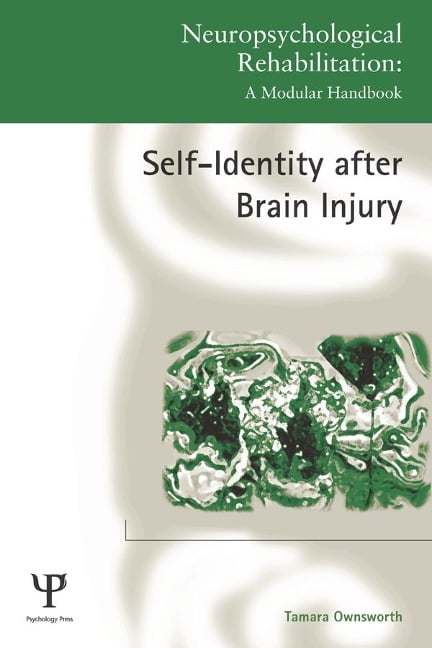
An injury to the brain can affect virtually any aspect of functioning and, at the deepest level, can alter sense of self or the essential qualities that define who we are. In recent years, there has been a growing body of research investigating changes to self in the context of brain injury. Developments in the cognitive and social neurosciences, psychotherapy and neurorehabilitation have together provided a rich perspective on self and identity reformation after brain injury. This book draws upon these theoretical perspectives and research findings to provide a comprehensive account of the impact of brain injury on self-identity. The second half of this book provides an in-depth review of clinical strategies for assessing changes in self-identity after brain injury, and of rehabilitation approaches for supporting individuals to maintain or re-establish a positive post-injury identity. The book emphasizes a shift in clinical orientation, from a traditional focus on alleviating impairments, to a focus on working collaboratively with people to support them to re-engage in valued activities and find meaning in their lives after brain injury. Self-Identity after Brain Injury is the first book dedicated to self-identity issues after brain injury which integrates theory and research, and also assessment and intervention strategies. It will be a key resource to support clinicians and researchers working in brain injury rehabilitation, and will be of great interest to researchers and students in clinical psychology, neuropsychology, and allied health disciplines.
Tamara Ownsworth is a teaching and research academic in the School of Applied Psychology at Griffith University in Brisbane, Australia, with 18 years of experience as a clinician and researcher in the brain injury field. She is also a chief investigator on the NHMRC Centre of Research Excellence in brain recovery.
1. Overview of self-identity after brain injury 2. What is the self? Historical and contemporary accounts 3. Introduction to brain injury and consequences during childhood and adolescence 4. Psychological adjustment and self-identity changes after brain injury 5. Approaches for assessing changes to self after brain injury 6. Individual psychotherapy and neurorehabilitation approaches 7. Group and community-based interventions 8. Family and paediatric Interventions 9. Summary and future directions
Dieses eBook wird im PDF-Format geliefert und ist mit einem Adobe Kopierschutz (DRM) versehen. Sie können dieses eBook mit allen Geräten lesen, die das PDF-Format und den Adobe Kopierschutz (DRM) unterstützen.
Zum Beispiel mit den folgenden Geräten:
• tolino Reader
Laden Sie das eBook direkt über den Reader-Shop auf dem tolino herunter oder übertragen Sie das eBook auf Ihren tolino mit einer kostenlosen Software wie beispielsweise Adobe Digital Editions.
• Sony Reader & andere eBook Reader
Laden Sie das eBook direkt über den Reader-Shop herunter oder übertragen Sie das eBook mit der kostenlosen Software Sony READER FOR PC/Mac oder Adobe Digital Editions auf ein Standard-Lesegeräte mit epub- und Adobe DRM-Unterstützung.
• Tablets & Smartphones
Möchten Sie dieses eBook auf Ihrem Smartphone oder Tablet lesen, finden Sie hier unsere kostenlose Lese-App für iPhone/iPad und Android Smartphone/Tablets.
• PC & Mac
Lesen Sie das eBook direkt nach dem Herunterladen mit einer kostenlosen Lesesoftware, beispielsweise Adobe Digital Editions, Sony READER FOR PC/Mac oder direkt über Ihre eBook-Bibliothek in Ihrem Konto unter „Meine eBooks“ - „online lesen“.
Schalten Sie das eBook mit Ihrer persönlichen Adobe ID auf bis zu sechs Geräten gleichzeitig frei.
Bitte beachten Sie, dass die Kindle-Geräte das Format nicht unterstützen und dieses eBook somit nicht auf Kindle-Geräten lesbar ist.