Und dann auf "Zum Home-Bildschirm [+]".

Stöbern
genialokal zum Startbildschirm hinzufügen
Installieren Sie die genialokal App auf Ihrem Startbildschirm für einen schnellen Zugriff und eine komfortable Nutzung.
Installieren Sie die genialokal App auf Ihrem Startbildschirm für einen schnellen Zugriff und eine komfortable Nutzung.

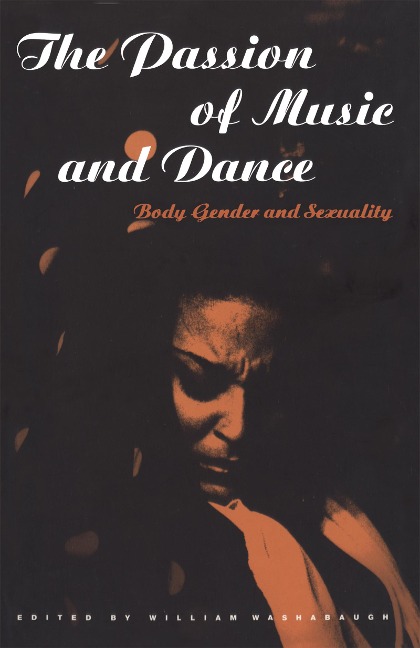
The late nineteenth century witnessed the birth and popularization of a number of highly emotional musical styles that played on the eagerness of modern Europeans and Americans to toy with the limits of sanity and to taste the ecstasies of living on the edge. This absorbing book explores these popular, passionate musical styles -- which include flamenco, tango and rebetika -- and points out that they arose as well-intentioned intellectuals co-opted the emotional experiences most closely associated with women. In drawing those experiences out of female practice, they defined, objectified, and turned them into strategies of domination, the deepest impact of which was felt, ironically, by modern women.In bridging anthropology, sociology, cultural, media, body and gender studies, this book broadens the base of theory which has ignored the transnational world of Latin and Mediterranean popular culture and makes a powerful statement about the intersection of nationalism, sexuality, identity and authenticity.
William Washabaugh Professor of Anthropology,University of Wisconsin at Milwaukee
1 Introduction: Music, Dance, and the Politics of Passion 2 Flamenco Song: Clean and Dirty 3 Fashioning Masculinity in Flamenco 4 Gendering the Authentic in Spanish Flamenco 5 Carlos Gardel and the Argentine Tango: The Lyric of Social Irresponsibility and Male Inadequacy 6 Tango and the Scandal of Homosocial Desire 7 From Wallflowers to Femmes Fatales: Tango and the Performance of Passionate Femininity 8 Rebetika: The Double-descended Deep Songs of Greece 9 The Tsifte-teli Sermon: Identity, Theology, and Gender in Rebetika, 10 Passionless Dancing and Passionate Reform: Respectability, Modernism, and the Social Dancing of Irene and Vernon Castle 11 Social Theory and the Comparative History of Flamenco, Tango, and Rebetika