Und dann auf "Zum Home-Bildschirm [+]".

Stöbern
genialokal zum Startbildschirm hinzufügen
Installieren Sie die genialokal App auf Ihrem Startbildschirm für einen schnellen Zugriff und eine komfortable Nutzung.
Installieren Sie die genialokal App auf Ihrem Startbildschirm für einen schnellen Zugriff und eine komfortable Nutzung.
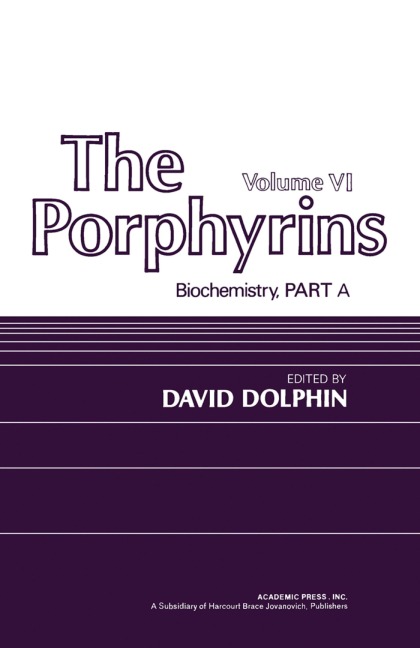
The Porphyrins, Volume VI: Biochemistry, Part A deals with the biochemistry of porphyrins, their precursors, catabolic derivatives, and related compounds. The book covers the biosynthesis of porphyrins and chlorophylls; the formation and metabolism of bile pigments in animals and plants; as well as the synthesis, characterization, and chemistry of the bile pigments and their derivatives. An account of the historical and clinical aspects of porphyrins and bile pigments is also given. This volume is organized into 12 chapters and begins with an overview of protoporphyrins and their metabolic intermediates, paying particular attention to their synthesis and biosynthesis. The discussion then shifts to the biosynthesis of porphyrins and chlorophylls; the in vivo formation and metabolism of bile pigments such as biliverdin and bilirubin; and yellow, green, and blue bile pigments. The reader is then introduced to bile pigments of plants including phytochrome and phycobiliproteins; the general structures and nomenclature of bile pigment derivatives; and the Stokvis reaction. The book also considers the clinical chemistry of porphyrins, and then concludes with a chapter on milestones in the history of bile pigments. This book will be of value to inorganic, organic, physical, and biochemists interested in the biochemistry of porphyrins.
List of Contributors General Preface Preface Contents of Other Volumes1 Protoporphyrin: Synthesis and Biosynthesis of Its Metabolic Intermediates I. S-Succinyl-Coenzyme A II. 5-Aminolevulinic Acid III. Porphobilinogen IV. Uroporphyrinogens, Coproporphyrinogens, Protoporphyrin, and Cobyrinic Acid References2 Biosynthesis of Porphyrins I. Introduction II. Enzymatic Synthesis of --Aminolevulinic Acid III. Enzymatic Synthesis of Porphobilinogen: ALA Dehydratase IV. Tetrapyrrole Biosynthesis V. Biosynthesis of Coproporphyrinogens VI. Formation of Protoporphyrinogen by the Oxidative Decarboxylation of Coproporphyrinogen III VII. Enzymatic Conversion of Protoporphyrinogen to Protoporphyrin VIII. Formation of Iron Protoporphyrin IX. Control of Porphyrin Biosynthesis References 3 Chlorophyll Biosynthesis I. Introduction II. Pathway to Chlorophyll a III. Biosynthesis of Chlorophyll b IV. Pathway to Bacteriochlorophyll a V. Biosynthesis of Other Chlorophylls References4 Enzymatic Synthesis of Porphyrins I. Introduction II. --Aminolevulinic Acid III. Porphobilinogen IV. Porphyrinogens V. Uroporphyrin I VI.Uroporphyrin III VII. Porphyrins with Seven, Six, and Five Carboxyl Groups VIII. Coproporphyrin I IX. Coproporphyrin III X. Protoporphyrin XI. General Methods XII. Conclusion References5 Formation and Metabolism of Bile Pigments in Vivo I. General Aspects II. Formation of Biliverdin III. Reduction of Biliverdin to Bilirubin IV. Conjugation and Biliary Excretion of Bilirubin V. Appendix References6 Bile Pigments: Bilatrienes and 5,15-Biladienes I. Introduction II. Preparation and Isolation III. General Properties IV. Chemical Reactions V. Biological Aspects VI. Spectra VII. Practical Aspects VIII. Appendix References7 Bile Pigments of Plants I. Introduction II. Phytochrome III. Phycobiliproteins References8 Derivatives of Bile Pigments I. Introduction II. General Structures and Nomenclature III. Biogenesis IV. Reactions Revealing Structure V. Stereochemistry through Optical Rotatory Dispersion and Circular Dichroism VI. The Compounds References9 Synthesis, Purification, and Characterization of Bile Pigments and Related Compounds I. Introduction II. Building Blocks for the Synthesis of Bile Pigments III. Bilinediones IV. Biladienediones V. Bilene-a-diones: Dihydrobilirubins (1,10,15,16,19,21,23,24-Octahydro-1,19-dioxo-22H-bilins) VI. Bilene-b-diones VII. Bilanediones VIII. Chemical Characterization of Bile Pigments IX. Polarographic Studies References10 The Stokvis Reaction I. History, Occurrence, and Nomenclature II. Technique of the Stokvis Reaction III. Propentdyopents: Source, Structure, and Synthesis IV. Structure of Propentdyopent Adducts V. Properties of Propentdyopents and Their Adducts VI. Structure of Pentdyopent and the Course of the Stokvis Reaction VII. The Fecal Pigment References11 Clinical Chemistry of the Porphyrins I. Introduction II. Chemistry of Clinically Important Porphyrins III. Heme Biosynthetic Pathway IV. Evaluation of Porphyrin Metabolism in Health and Disease V. Survey of Available Methods of Porphyrin Analysis in Excreta, Blood, and Tissues VI. Values in Normal Subjects and Patients with Nonporphyric Disorders VII. Classification of Human Porphyric Disorders VIII. Simple Screening Tests and "Simplified" Screening Procedures IX. Clinical Manifestations of Porphyrias X. Biochemical Findings in Porphyric Disorders XI. Biochemistry of the Acute Attack-Porphyrin Precursors in the Pathogenesis of the Acute Attack XII.