Und dann auf "Zum Home-Bildschirm [+]".

Stöbern
genialokal zum Startbildschirm hinzufügen
Installieren Sie die genialokal App auf Ihrem Startbildschirm für einen schnellen Zugriff und eine komfortable Nutzung.
Installieren Sie die genialokal App auf Ihrem Startbildschirm für einen schnellen Zugriff und eine komfortable Nutzung.

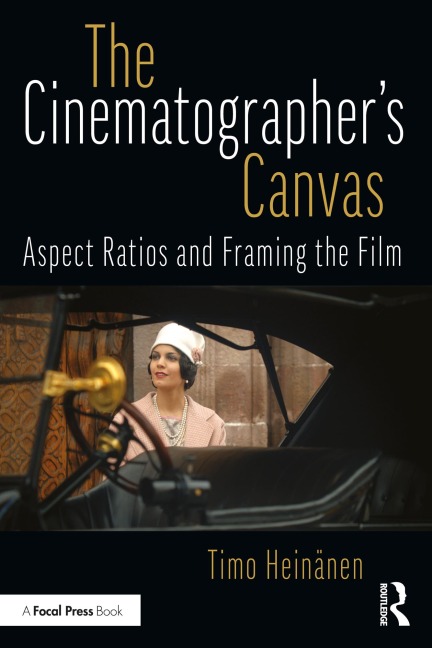
This is a groundbreaking book that sheds light on the roles of cinematographers in terms of using aspect ratios and framing in films. This book offers a fresh look at the processes associated with the creative side of filmmaking and the use of cinematic space. Based on the author's own experience, the book offers an insightful discussion between cinematographers based on questionnaires, interviews, and correspondence with professional cinematographers and film students alike. It describes the different modes of activity such as pre-production, collaboration and working with directors, the processes behind selecting an aspect ratio, and genres and expectancy. The chapters also focus on compositional elements, such as the concept of centre, balance, and negative space. They look behind the act of framing, revealing what impact these visual frameworks have on the work of cinematographers and the overall storytelling experience. Readers will gain a deeper understanding of the artistic and technical decisions that cinematographers make, how these decisions impact their work, and their creativity in the visual narrative. This book will make ideal reading for students and practitioners of filmmaking, cinematography, composition, and framing, as well as for anyone interested in film, creative processes, and visual storytelling.
Timo Heinänen is a professional cinematographer with over 30 years of experience in the industry. He is also a cinematography teacher, having worked as a professor at ELO Film School in Helsinki, Finland; at the London Film School as a Head of Camera; and as Senior Lecturer at British University Vietnam. He is a member of the Finnish Society of Cinematographers.
1 Introduction and Background 1 2 Selecting the Tool - On Expectancy and Genres 13 3 Pre-Production and Working with the Director 30 4 The Modes of Activity in the Selection Process 46 5 The Act of Framing: Emotions, Intuition, and Rules 54 6 On the Centre, Balance, and Void 87 7 Final Observations 105 Appendix I: Interview with Lukasz Zal 109 Appendix II: References 125 Appendix III: List of Films 126 Appendix IV: Further Reading 148 Appendix V: Acknowledgement 151 Index 153