Und dann auf "Zum Home-Bildschirm [+]".

Stöbern
genialokal zum Startbildschirm hinzufügen
Installieren Sie die genialokal App auf Ihrem Startbildschirm für einen schnellen Zugriff und eine komfortable Nutzung.
Installieren Sie die genialokal App auf Ihrem Startbildschirm für einen schnellen Zugriff und eine komfortable Nutzung.
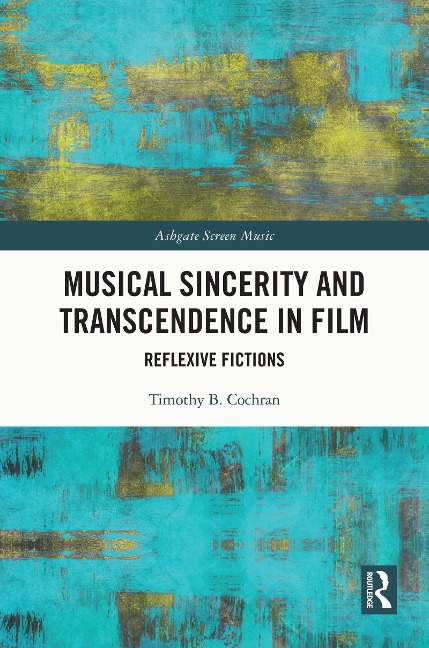
Musical Sincerity and Transcendence in Film focuses on the ways filmmakers treat music reflexively-that is, draw attention to what it is and what it can do. Examining a wide range of movies from recent decades including examples from Indiewood, teen film, and blockbuster cinema, the book explores two recurring ideas about music implied by foregrounded musical activity on screen: that music can be a potent means of sincere expression and genuine human connection and that music can enable transcendence of disenchantment and the mundane. As an historical musicologist, Timothy Cochran explores these assumptions through analysis of musical style, aesthetic implications, and narrative strategy while treating the ideas as historically-grounded and culturally-situated with conceptual origins often lying outside of film. The book covers eclectic critical terrain to highlight various layers of musical sincerity and transcendence in film, including the nineteenth-century aesthetics of E.T.A. Hoffmann, David Foster Wallace's literary resistance to irony (sometimes called the New Sincerity), strategies of self-revelation in singer-songwriter repertoires, Lionel Trilling's distinction between sincerity and authenticity, theories of play, David Nye's notion of the American technological sublime, and Svetlana Boym's writings on nostalgia. These lenses reveal that film is a way of perpetuating, revising, and critiquing ideas about music and that music in film is a potent means of exploring broader social, emotional, and spiritual desires.
Timothy Cochran is Associate Professor of Music History at Eastern Connecticut State University. His articles on Olivier Messiaen and Claude Debussy have appeared in The Journal of Musicology, Theoria, 19th-Century Music, and Twentieth-Century Music. His additional research interests include composer Bernard Herrmann and music in Indiewood.
Introduction: Musical Reflexivity Chapter 1: Enduring Romanticism: Spirit-Realms, Mass-Mediation, and the New Sincerity Chapter 2: The Sounds of Sincerity: Hearing Post-Irony in Indiewood Film Chapter 3: On Social Alienation and the Promises of Music Chapter 4: Performing on Musical Playgrounds Chapter 5: "I'm Afraid You're Just Too Darn Loud:" The Music Technological Sublime in Film Chapter 6: Searching for Lost Time in Debussy's "Clair de lune" Epilogue
Dieses eBook wird im PDF-Format geliefert und ist mit einem Adobe Kopierschutz (DRM) versehen. Sie können dieses eBook mit allen Geräten lesen, die das PDF-Format und den Adobe Kopierschutz (DRM) unterstützen.
Zum Beispiel mit den folgenden Geräten:
• tolino Reader
Laden Sie das eBook direkt über den Reader-Shop auf dem tolino herunter oder übertragen Sie das eBook auf Ihren tolino mit einer kostenlosen Software wie beispielsweise Adobe Digital Editions.
• Sony Reader & andere eBook Reader
Laden Sie das eBook direkt über den Reader-Shop herunter oder übertragen Sie das eBook mit der kostenlosen Software Sony READER FOR PC/Mac oder Adobe Digital Editions auf ein Standard-Lesegeräte mit epub- und Adobe DRM-Unterstützung.
• Tablets & Smartphones
Möchten Sie dieses eBook auf Ihrem Smartphone oder Tablet lesen, finden Sie hier unsere kostenlose Lese-App für iPhone/iPad und Android Smartphone/Tablets.
• PC & Mac
Lesen Sie das eBook direkt nach dem Herunterladen mit einer kostenlosen Lesesoftware, beispielsweise Adobe Digital Editions, Sony READER FOR PC/Mac oder direkt über Ihre eBook-Bibliothek in Ihrem Konto unter „Meine eBooks“ - „online lesen“.
Schalten Sie das eBook mit Ihrer persönlichen Adobe ID auf bis zu sechs Geräten gleichzeitig frei.
Bitte beachten Sie, dass die Kindle-Geräte das Format nicht unterstützen und dieses eBook somit nicht auf Kindle-Geräten lesbar ist.