Und dann auf "Zum Home-Bildschirm [+]".

Stöbern
genialokal zum Startbildschirm hinzufügen
Installieren Sie die genialokal App auf Ihrem Startbildschirm für einen schnellen Zugriff und eine komfortable Nutzung.
Installieren Sie die genialokal App auf Ihrem Startbildschirm für einen schnellen Zugriff und eine komfortable Nutzung.
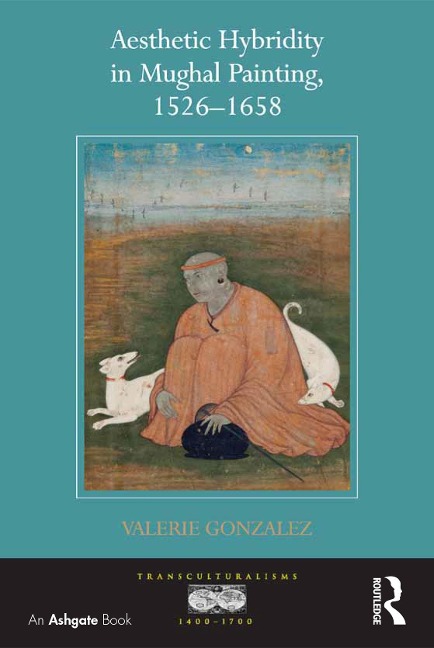
The first specialized critical-aesthetic study to be published on the concept of hybridity in early Mughal painting, this book investigates the workings of the diverse creative forces that led to the formation of a unique Mughal pictorial language. Mughal pictoriality distinguishes itself from the Persianate models through the rationalization of the picture's conceptual structure and other visual modes of expression involving the aesthetic concept of mimesis. If the stylistic and iconographic results of this transformational process have been well identified and evidenced, their hermeneutic interpretation greatly suffers from the neglect of a methodologically updated investigation of the images' conceptual underpinning. Valerie Gonzalez addresses this lacuna by exploring the operations of cross-fertilization at the level of imagistic conceptualization resulting from the multifaceted encounter between the local legacy of Indo-Persianate book art, the freshly imported Persian models to Mughal India after 1555 and the influx of European art at the Mughal court in the sixteenth and seventeenth centuries. The author's close examination of the visuality, metaphysical order and aesthetic language of Mughal imagery and portraiture sheds new light on this particular aspect of its aesthetic hybridity, which is usually approached monolithically as a historical phenomenon of cross-cultural interaction. That approach fails to consider specific parameters and features inherent to the artistic practice, such as the differences between doxis and praxis, conceptualization and realization, intentionality and what lies beyond it. By studying the distinct phases and principles of hybridization between the variegated pictorial sources at work in the Mughal creative process at the successive levels of the project/intention, the practice/realization and the result/product, the author deciphers the modalities of appropriation and manipulation of the heterogeneous elements. Her unique
Valerie Gonzalez is an expert on Islamic art history and aesthetics. She teaches Islamic studies at the Leighton House Museum, London. She was previously a member of the Institute for Advanced Study, Princeton University, USA.
Contents: Preface Introduction Part I Studying Mughal Painting: Critical Issues and State of Affairs: Epistemological preliminaries; Historiographical and conceptual framework of Mughal pictorial hybridity. Part II The Mughal Pictorial Becoming: From the Beginning of the Empire (1526) to the End of Shah Jahan's Reign (1658): Genesis of aesthetic hybridity in Mughal painting; Hyperdialectics in the Akbari pictorial synthesis; Suite et Fin: from unbridled hybridization to non-hybridness. Conclusion; References; Index.
Dieses eBook wird im PDF-Format geliefert und ist mit einem Adobe Kopierschutz (DRM) versehen. Sie können dieses eBook mit allen Geräten lesen, die das PDF-Format und den Adobe Kopierschutz (DRM) unterstützen.
Zum Beispiel mit den folgenden Geräten:
• tolino Reader
Laden Sie das eBook direkt über den Reader-Shop auf dem tolino herunter oder übertragen Sie das eBook auf Ihren tolino mit einer kostenlosen Software wie beispielsweise Adobe Digital Editions.
• Sony Reader & andere eBook Reader
Laden Sie das eBook direkt über den Reader-Shop herunter oder übertragen Sie das eBook mit der kostenlosen Software Sony READER FOR PC/Mac oder Adobe Digital Editions auf ein Standard-Lesegeräte mit epub- und Adobe DRM-Unterstützung.
• Tablets & Smartphones
Möchten Sie dieses eBook auf Ihrem Smartphone oder Tablet lesen, finden Sie hier unsere kostenlose Lese-App für iPhone/iPad und Android Smartphone/Tablets.
• PC & Mac
Lesen Sie das eBook direkt nach dem Herunterladen mit einer kostenlosen Lesesoftware, beispielsweise Adobe Digital Editions, Sony READER FOR PC/Mac oder direkt über Ihre eBook-Bibliothek in Ihrem Konto unter „Meine eBooks“ - „online lesen“.
Schalten Sie das eBook mit Ihrer persönlichen Adobe ID auf bis zu sechs Geräten gleichzeitig frei.
Bitte beachten Sie, dass die Kindle-Geräte das Format nicht unterstützen und dieses eBook somit nicht auf Kindle-Geräten lesbar ist.