Und dann auf "Zum Home-Bildschirm [+]".

Stöbern
genialokal zum Startbildschirm hinzufügen
Installieren Sie die genialokal App auf Ihrem Startbildschirm für einen schnellen Zugriff und eine komfortable Nutzung.
Installieren Sie die genialokal App auf Ihrem Startbildschirm für einen schnellen Zugriff und eine komfortable Nutzung.
Ihr gewünschter Artikel ist in 0 Buchhandlungen vorrätig - wählen Sie hier eine Buchhandlung in Ihrer Nähe aus:

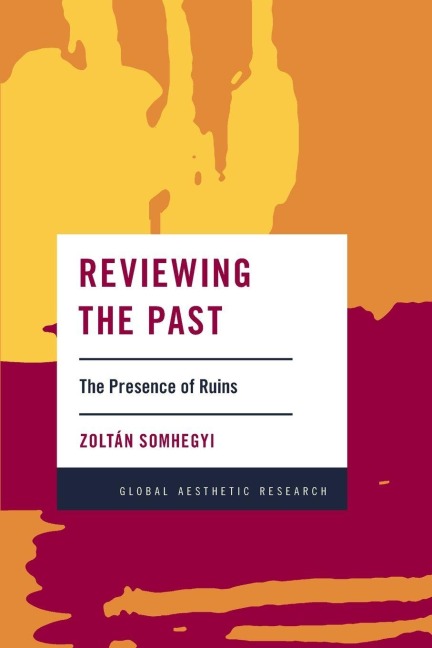
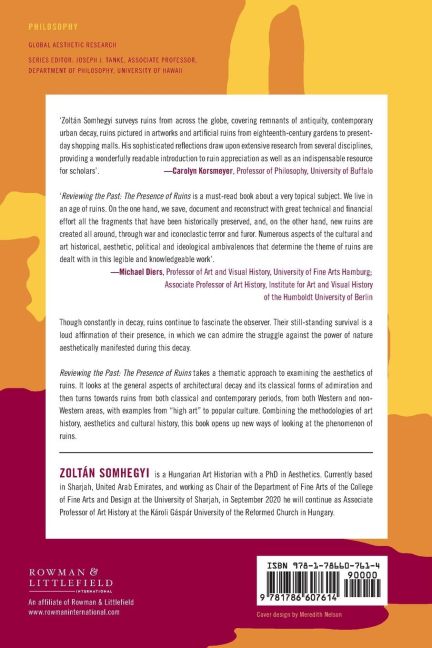
Though constantly in decay, ruins continue to fascinate the observer. Their still-standing survival is a loud affirmation of their presence, in which we can admire the struggle against the power of Nature aesthetically manifested during the decay.
This volume takes a thematic approach to examining the aesthetics of ruins. It looks at the general aspects of architectural decay and its classical forms of admiration and then turns towards ruins from both classical and contemporary periods, from both Western and non-Western areas, and with examples from "high art" as well as popular culture. Combining the methodologies of art history, aesthetics and cultural history, this book opens up new ways of looking at the phenomenon of ruins.
Dr Zoltán Somhegyi is aHungarian art historian, holding a Ph.D in aesthetics, currently working at the University of Sharjah, UAE. As a researcher, he specialises in 18th-19th century art and theory. His other fields of interest are contemporary fine arts and art criticism. He is the the Secretary General and Website Editor of the International Association for Aesthetics.
Introduction / Part I Classical Tendancies / 1. The fragile presence of ruins. General aspects of the aesthetics of architectural decay / 2. The golden age and fall of ruins / 3. In front of ruins / Part II Modern Appearances / 4. Ruins in East-West perspective / 5. Contemporary ruins. Investigations into a contradiction in terms / 6. "Learning from Detroit?" - From materialised dreams to bitter awakening. Aesthetics around decayed shopping malls / Part III When in Works / 7. Cracks in the walls / 8. Eulogy to the fragment. Artworks and ruination / 9. Ruins as context and scenery. Temporal interference as source of aesthetic experience / Part IV Afterlife 10. Mall with lamassu. Imitated decay and aesthetic education in thematic commercial centres / 11. What remains of that which has remained? Against the eradication of ruins / 12. "Time transformed into Space". Orhan Pamuk and the museums of remembrance