Und dann auf "Zum Home-Bildschirm [+]".

Stöbern
genialokal zum Startbildschirm hinzufügen
Installieren Sie die genialokal App auf Ihrem Startbildschirm für einen schnellen Zugriff und eine komfortable Nutzung.
Installieren Sie die genialokal App auf Ihrem Startbildschirm für einen schnellen Zugriff und eine komfortable Nutzung.



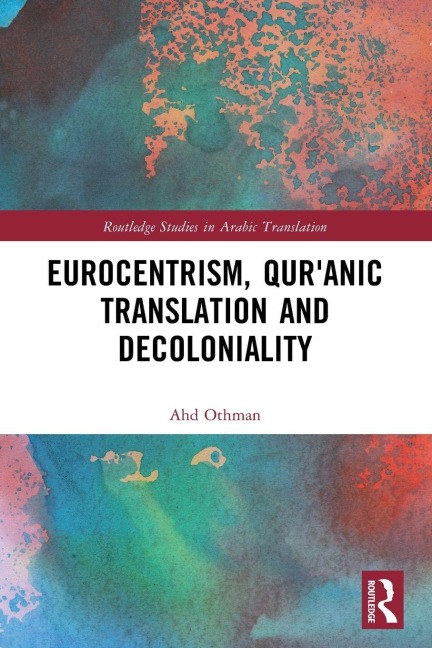
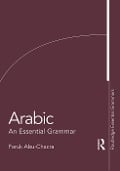
Eurocentrism, Qur-anic Translation and Decoloniality contributes to the understanding of Eurocentrism in Translation Studies and engages with the concept through the lens of scholarship on Arabic and Qur-an translation.
Ahd Othman, Visiting Research Associate at the University of Bristol
Arabic transliteration key Acknowledgements Introduction Chapter I - Eurocentrism: a conceptual framework 1.1 Europe as a cultural unity 1.2 Greece and Rome 1.3 The Judeo-Christian tradition 1.4 Enlightenment and science 1.5 European superiority: solipsism and power Eurocentrism's problems in TS 1.6 Reservations about the critique of Eurocentrism Conclusion Chapter II - Quantifying Eurocentrism: a bibliometric approach 2.1 Sampling Arabic translation 2.2 Bibliometrics 2.3 Quantifying Eurocentrism 2.4 Scope of data and tools 2.5 Data results and analysis 2.5.1 The Bibliography of Interpreting and Translation (BITRA) 2.5.2 The Translation Studies Bibliography (TSB) Limitations of the bibliometric approach 2.6 Methodologies, scientificity and Eurocentrism The qualitative-quantitative divide Conclusion Chapter III - Eurocentrism through a qualitative lens: the case of Qur-an translation 3.1 Sampling Qur-an translation 3.2 Thematic Analysis 3.3 Themes and subthemes identified in the articles 3.3.1 Qur-an translation with biblical touchstones (a) Christian translators' key role in Qur-an translation history (b) Biblical referentiality (c) (Un)translatability (d) Linguistic focus and Translation Quality Assessment (TQA) 3.3.2 Politics of representation (e) The Qur-an in the scheme of things (f) Regimes of epistemic authority (g) Macro-narratives Conclusion Chapter IV - Decoloniality, liberation theology and translation 4.1 Reference works 4.2 Decoloniality and Translation Studies 4.3 Decoloniality and liberatory Islam Islamic liberation theology 4.4 Tawhid and Qur-an translation Implications for translation 4.5 Other 'others' Conclusion Concluding remarks Appendix 1: 50 most frequent words in the 'subject' field of the BITRA sample Appendix 2: 25 most frequent words in the 'keyword' field of the TSB sample Appendix 3: Codes generated and compiled after the first coding sweep Appendix 4: Codes refined and grouped after the second coding sweep Index