Und dann auf "Zum Home-Bildschirm [+]".

Stöbern
genialokal zum Startbildschirm hinzufügen
Installieren Sie die genialokal App auf Ihrem Startbildschirm für einen schnellen Zugriff und eine komfortable Nutzung.
Installieren Sie die genialokal App auf Ihrem Startbildschirm für einen schnellen Zugriff und eine komfortable Nutzung.
Ihr gewünschter Artikel ist in 0 Buchhandlungen vorrätig - wählen Sie hier eine Buchhandlung in Ihrer Nähe aus:

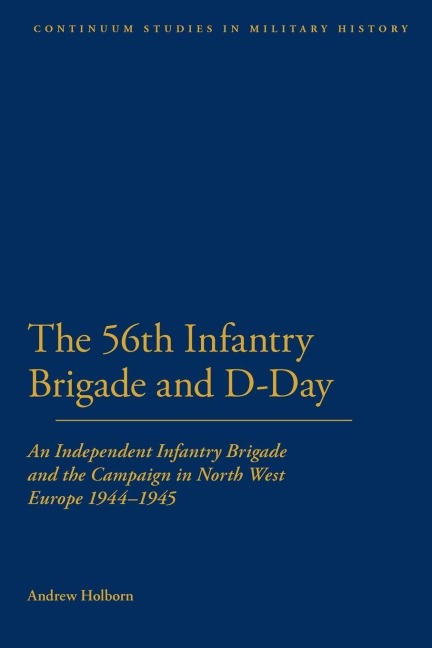
"Trained as an assault brigade, the 56th landed on D-Day and successfully liberated Bayeux the following day. It was then employed in the crossing of the River Seine and the assault on Le Havre, before fighting across Belgium and Holland culminating in the final assault on Arnhem in April 1945, by which time the brigade had served in four different divisions. No previous study has sought to explain how an infantry brigade is used in battle, let alone one holding the title Independent. Holborn considers the styles of war as carried out by British forces and casts new light on the effectiveness of British infantry units and their contribution to war effort. Extensive use has been made of previously unseen primary evidence from The National Archives, IWM Archive and Regimental Museums. The evidence is used to explore issues pertinent to life in the Army at home during the war, training for war and the Campaign in North West Europe, as well as the role of the battalion."
Andrew Holborn
Introduction 1. In the Wings; Continental War to Home Front 2. Chosen for the Second Front 3. From the sealed Camps to Sailing for Normandy 4. Smashing through the German defences 5. Fighting in the Bocage 6. Holding the Right Flank 7. Breakthrough 8. Belgium to 'The Island' 9. May 1944 The Hunger Winter and the taking of Arnhem Conclusion Appendix One: Badge 56th Brigade. Appendix Two: Map Exercise Smash. Appendix Three: Map Exercise Fabius Appendix Four: 56th Brigade, Order of Beaching for D-Day. Appendix Five: 50th Division Landing Phase Map. Appendix Six: Map Bayeux to Juvigny. June 1944. Appendix Seven: 56th Brigade Reinforcement Requirements. Bibliography Index