Und dann auf "Zum Home-Bildschirm [+]".

Stöbern
genialokal zum Startbildschirm hinzufügen
Installieren Sie die genialokal App auf Ihrem Startbildschirm für einen schnellen Zugriff und eine komfortable Nutzung.
Installieren Sie die genialokal App auf Ihrem Startbildschirm für einen schnellen Zugriff und eine komfortable Nutzung.
Ihr gewünschter Artikel ist in 0 Buchhandlungen vorrätig - wählen Sie hier eine Buchhandlung in Ihrer Nähe aus:

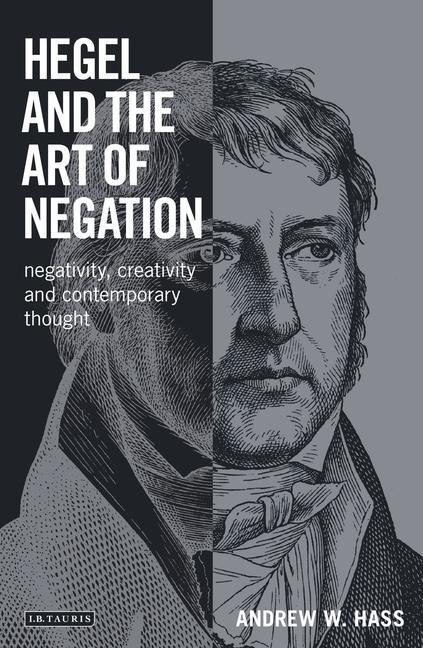
Why is the philosopher Hegel returning as a potent force in contemporary thinking? Why, after a long period when Hegel and his dialectics of history have seemed less compelling than they were for previous generations of philosophers, is study of Hegel again becoming important? Fashionably contemporary theorists like Francis Fukuyama and Slavoj Zizek, as well as radical theologians like Thomas Altizer, have all recently been influenced by Hegel, the philosopher whose philosophy seems somehow perennial - or, to borrow an idea from Nietzsche, eternally returning. Exploring this revival via the notion of 'negation' in Hegelian thought, and relating such negativity to sophisticated ideas about art and artistic creation, Andrew Hass argues that the notion of Hegelian negation moves us into an expansive territory where art, religion and philosophy may all be radically reconceived and broken open into new forms of philosophical expression. The implications of such a revived Hegelian philosophy are, the author argues, vast and current. Hegel thereby becomes the philosopher par excellence who can address vital issues in politics, economics, war and violence, leading to a new form of globalised ethics. Hass makes a bold and original contribution to religion, philosophy and the history of ideas.
Andrew Hass is Lecturer in Religion at the University of Stirling and Executive Editor of the journal Literature and Theology. He is the author and editor of The Oxford Handbook of English Literature and Theology (2007, co-edited with David Jasper and Elisabeth Jay), Poetics of Critique: The Interdisciplinarity of Textuality (2003) and The Bible as Literature: A Reader (1999, co-edited with David Jasper and Stephen
Acknowledgements Introduction - Returning Anew Part One: The Hegel of Negation Chapter One - Negation's Art in Phenomenology of Spirit Chapter Two - Negation's Logic in Science of Logic Chapter Three - Art's Negation in Aesthetics Part Two: The Negation of Hegel Chapter Four - The Returning of Hegel and Negation: Sartre and Hyppolite Chapter Five - The Tolling of Hegel and Negation: Derrida Chapter Six - The Living of Hegel and Negation: Kristeva, Nancy, Agamben, Zizek, Malabou Part Three: Furthering Hegel Chapter Seven - The Ought of Negation Conclusion - Art-Religion-Philosophy Re-formed Notes Bibliography of Works Cited Index