Und dann auf "Zum Home-Bildschirm [+]".

Stöbern
genialokal zum Startbildschirm hinzufügen
Installieren Sie die genialokal App auf Ihrem Startbildschirm für einen schnellen Zugriff und eine komfortable Nutzung.
Installieren Sie die genialokal App auf Ihrem Startbildschirm für einen schnellen Zugriff und eine komfortable Nutzung.
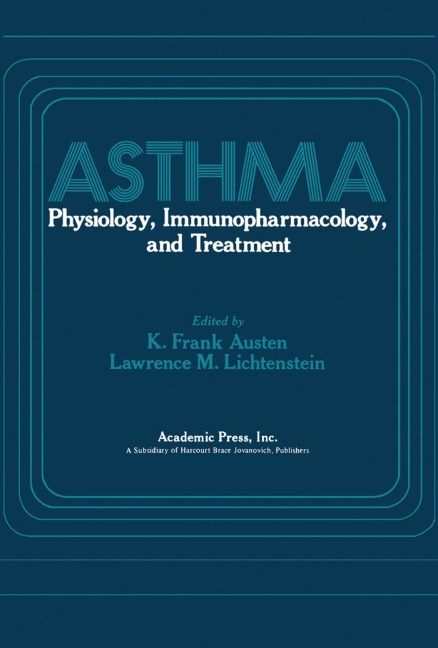
Asthma: Physiology, Immunopharmacology, and Treatment is a collection of essays that discusses the clinical signs and symptoms of allergic bronchial asthma and the effects of a number of intricate sequences of biochemical reactions initiated by the combination of antigen and antibody. It presents such topic as the pathobiologic mechanisms of asthma. The book discusses the physiologic changes in the acute asthmatic attack. It focuses on the autonomic regulation of airway smooth muscle and the nervous regulation of respiration. Another topic of interest is the genetic aspects of asthma. The section that follows is a review of the biochemical, pharmacological, and immunological factors in the release of chemical mediators from human lung. The book also presents the characteristics of pharmacologic receptor systems and the role of parasympathetic nervous system in asthma. The text will provide valuable insights for physicians, scientists, students, and researchers in the field of human anatomy.
List of ContributorsParticipantsPrefaceChapter 1 Bronchial Asthma: Pathophysiology Original Observations Discussion References DiscussionChapter 2 Physiologic Changes in the Acute Asthmatic Attack Text Summary References DiscussionChapter 3 Neurophysiologic Aspects of Asthma Autonomic Regulation of Airway Smooth Muscle Nervous Regulation of Respiration References DiscussionChapter 4 The Genetic Basis of Asthma History Twin Studies Recent Family Studies Hypothetical Genetic Mechanisms Conclusion References DiscussionChapter 5 Role of IgE and IgG Antibodies in Reaginic Hypersensitivity in the Respiratory Tract Introduction Does IgG Antibody Induce or Block Reaginic Allergy? Does IgG Antibody Regulate IgE Antibody Production? References DiscussionChapter 6 A Human Heat-Stable Anaphylactic or Anaphylactoid Antibody Which May Participate in Pulmonary Disorders Examination of the Properties of the Short-Term Sensitizing IgG Antibody (IgG S-T S) References DiscussionChapter 7 The Control of IgE-Mediated Histamine Release: Implications for the Study of Asthma Text References DiscussionChapter 8 A Review of Immunological, Biochemical, and Pharmacological Factors in the Release of Chemical Mediators from Human Lung Role of IgE in Mediator Release Characteristics of the Chemical Mediators Biochemical Prerequisites for Mediator Release Pharmacologic Control of Mediator Release Concluding Comments References DiscussionChapter 9 Cyclic Nucleotides and Smooth Muscle Function Cyclic AMP and Smooth Muscle Cyclic GMP Alteration of Cyclic Nucleotide Levels in Smooth Muscle Does Cyclic GMP Mediate the Effects of Smooth Muscle Stimulants? Conclusions References DiscussionChapter 10 Drug Receptors in Smooth Muscle Introduction Basic Concepts of Pharmacologic Receptors Alterations in Pharmacologic Receptor Activity Drug Receptors in Tracheobronchial Tree Clinical Importance of Pharmacologic Receptors in Asthma Characteristics of Pharmacologic Receptor Systems Conclusion References DiscussionChapter 11 Cholinergic Pharmacology in Asthma Background Role of the Parasympathetic Nervous System in Asthma Summary References DiscussionChapter 12 Adrenergic Responsiveness in Asthma Introduction Catecholamine Responsiveness in Vivo in Individuals with Asthma In Vitro Studies of Adrenergic Responsiveness Unresolved Questions Possible Applications Summary References DiscussionChapter 13 A Review of Immunotherapy in Asthma Text References DiscussionChapter 14 Effects of Corticosteroids on the Stability and Fusion of Biomembranes Introduction Cortisone and Lysosomal Membranes Cortisone and Artificial Membranes Cortisone and Membrane Fusion Cortisone in the Cell Undergoing Reverse Endocytosis Summary References DiscussionChapter 15 Phosphodiesterase Inhibitors and Analogs of Cyclic AMP as Potential Agents for the Treatment of Asthma Text Summary and Discussion References DiscussionChapter 16 Selectively Acting ß-Adrenoceptor Stimulants in Asthma General Introduction Comparison of the Biological Properties of Selected ß-Adrenoreceptor Stimulants Pharmacology Clinical Results The Clinical Significance of Selective ß2-Adrenoreceptor Stimulants Physicochemical Basis of Selective ß-Adrenoreceptor Stimulation References DiscussionChapter 17 Role of Prostaglandins in the Pathogenesis and Treatment of Asthma Introduction Actions of the --Series Prostaglandins on the Bronchus Actions of PGF2- on the Bronchus Prostaglandins, Inflammation, and Allergy Prostaglandin Antagonists Discussion Conclusions References DiscussionChapter 18 Disodium Cromoglycate in Clinical and Experimental Ast