Und dann auf "Zum Home-Bildschirm [+]".

Stöbern
genialokal zum Startbildschirm hinzufügen
Installieren Sie die genialokal App auf Ihrem Startbildschirm für einen schnellen Zugriff und eine komfortable Nutzung.
Installieren Sie die genialokal App auf Ihrem Startbildschirm für einen schnellen Zugriff und eine komfortable Nutzung.
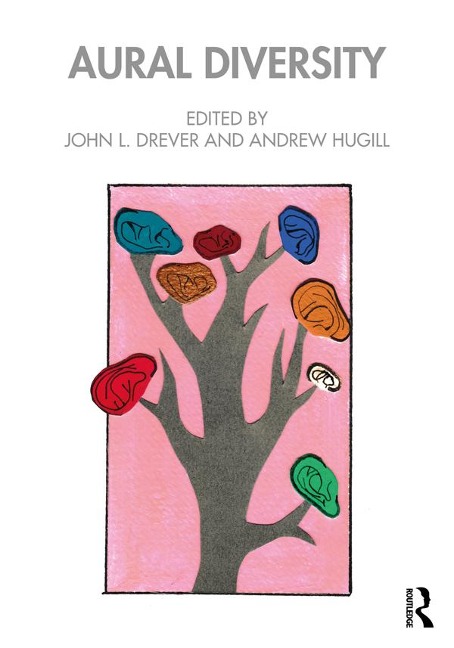
Aural Diversity addresses a fundamental methodological challenge in music and soundscape research by considering the nature of hearing as a spectrum of diverse experiences. Bringing together an interdisciplinary array of contributors from the arts, humanities, and sciences, it challenges the idea of a normative listening experience and envisions how awareness of aural diversity can transform sonic arts, environments, and design and generate new creative listening practices. With contributors from a wide range of fields including sound studies, music, hearing sciences, disability studies, acoustics, media studies, and psychology, Aural Diversity introduces a new and much-needed paradigm that is relevant to scholars, students, and practitioners engaging with sound, music, and hearing across disciplines.
John L. Drever operates at the intersection of acoustics, audiology, urban design, sound art, soundscape studies, and experimental music. He is Professor of Acoustic Ecology and Sound Art at Goldsmiths, University of London, where he co-leads the Unit for Sound Practice Research (SPR). He has a special interest in soundscape methods, in particular field recording and soundwalking. Andrew Hugill is Professor of Creative Computing at the University of Leicester. He is also a Professor of Music and his principal research areas are composition, musicology, and creative technologies. His publications include: The Digital Musician (Routledge), now in its third edition. He founded the Aural Diversity project.
List of Figures List of Tables Acknowledgements List of Contributors - John L. Drever and Andrew Hugill: Aural Diversity: General introduction - David M. Baguley: Aural Diversity: A clinical perspective PART I: ACOUSTIC ENVIRONMENTS AND SOUNDSCAPE - Julian Henriques, Eric Jauniaux, Aude Thibaut de Maisieres, and Pierre Gélat: Sound Before Birth: Foetal hearing and the auditory environment of the womb - John L. Drever: Phonating Hand Dryers: exploits in product and environmental acoustics, and aural diverse composition and co-composition - William Renel: The Auditory Normate: Engaging critically with sound, social inclusion and design - Matt Lewis: Listening with Deafblindness - Meri Kytö: Soundscapes of Code: Cochlear implant as soundscape arranger - Patrick Farmer: -- - William J. Davies: Autistic Listening - Karla Berrens: Fire, Drums and the Making of Place During a Correfoc - Josephine Dickinson: Alphabetula - Ed Garland: Textual Hearing Aids: How reading about sound can improve sonic experience PART II: MUSIC AND MUSICOLOGY - Samuel Couth: The Show Must Go On: Understanding the effects of musicianship, noise exposure, cognition, and ageing on real-world hearing abilities - Alinka Greasley: Diverse Music Listening Experiences: Insights from the hearing aids for music project - Andrew Hugill: Consequences of Ménière's Disease for Musicians, Their Music-Making, Hearing Care, and Technologies - Chris. J. H. Cook: Socialising and Musicking with Mild Cognitive Impairment: A case study from rural Cornwall - Matthew Spring: Thomas Mace: A hearing-impaired musician and musical thinker in the seventeenth Century - John D'Arcy: Do You Hear What I Hear? Some creative approaches to sharing and simulating diverse hearing - Balandino Di Donato: Sign in Human-Sound Interaction - Duncan Chapman: The Aural Diversity Concerts: Multimodal performance to an aurally diverse audience - Jay Afrisando: Music-Making in Aurally Diverse Communities: An artist statement - Simon Allen: Attention Reframed: A personal account of hearing loss as a catalyst for intermedia practice - David Holzman: Lost and Found: A pianist's hearing journey - Andrew Hugill: Composing with Hearing Differences - Anya Ustaszewski: Composing 'Weird' Music Index
Dieses eBook wird im PDF-Format geliefert und ist mit einem Adobe Kopierschutz (DRM) versehen. Sie können dieses eBook mit allen Geräten lesen, die das PDF-Format und den Adobe Kopierschutz (DRM) unterstützen.
Zum Beispiel mit den folgenden Geräten:
• tolino Reader
Laden Sie das eBook direkt über den Reader-Shop auf dem tolino herunter oder übertragen Sie das eBook auf Ihren tolino mit einer kostenlosen Software wie beispielsweise Adobe Digital Editions.
• Sony Reader & andere eBook Reader
Laden Sie das eBook direkt über den Reader-Shop herunter oder übertragen Sie das eBook mit der kostenlosen Software Sony READER FOR PC/Mac oder Adobe Digital Editions auf ein Standard-Lesegeräte mit epub- und Adobe DRM-Unterstützung.
• Tablets & Smartphones
Möchten Sie dieses eBook auf Ihrem Smartphone oder Tablet lesen, finden Sie hier unsere kostenlose Lese-App für iPhone/iPad und Android Smartphone/Tablets.
• PC & Mac
Lesen Sie das eBook direkt nach dem Herunterladen mit einer kostenlosen Lesesoftware, beispielsweise Adobe Digital Editions, Sony READER FOR PC/Mac oder direkt über Ihre eBook-Bibliothek in Ihrem Konto unter „Meine eBooks“ - „online lesen“.
Schalten Sie das eBook mit Ihrer persönlichen Adobe ID auf bis zu sechs Geräten gleichzeitig frei.
Bitte beachten Sie, dass die Kindle-Geräte das Format nicht unterstützen und dieses eBook somit nicht auf Kindle-Geräten lesbar ist.