Und dann auf "Zum Home-Bildschirm [+]".

Stöbern
genialokal zum Startbildschirm hinzufügen
Installieren Sie die genialokal App auf Ihrem Startbildschirm für einen schnellen Zugriff und eine komfortable Nutzung.
Installieren Sie die genialokal App auf Ihrem Startbildschirm für einen schnellen Zugriff und eine komfortable Nutzung.
Ihr gewünschter Artikel ist in 0 Buchhandlungen vorrätig - wählen Sie hier eine Buchhandlung in Ihrer Nähe aus:

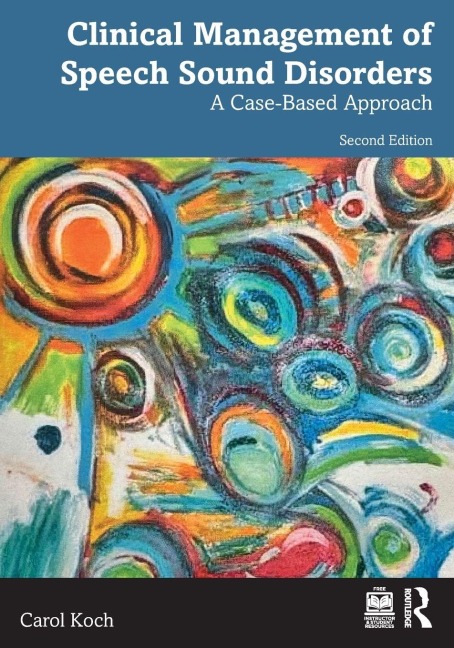
This textbook, born from years of teaching graduate-level courses in pediatric speech sound disorders, serves as a comprehensive resource for instructors, students, and practicing speech-language pathologists. It combines foundational knowledge, clinical theory, evidence-based practice, and practical strategies for managing articulation and phonological disorders in children. The book emphasizes case-based and problem-based learning to foster critical thinking and clinical application, with an introductory chapter outlining their role in speech-language pathology. It covers essential topics like clinical phonetics, anatomy, physiology, and speech sound acquisition, while providing guidance on clinical management grounded in the best available evidence. The rationale stems from the rapidly expanding scope of speech-language pathology, demanding greater knowledge and clinical competencies from students in limited timeframes. The book addresses the challenge a broad range of intervention approaches and the need for evidence-based clinical decision-making. Unique features include clinical vignettes, application activities, and multimedia video segments showcasing assessment and intervention strategies to enhance active learning. Designed as both a primary course text and a clinical resource, it equips professionals to deliver best-practice services for children with speech sound disorders. Teaching and Instructional Supplementary Materials This 2nd Edition (Routledge, 2026) is supported by a comprehensive suite of instructor and student resources designed specifically to support the book's case-based and problem-based learning approach. These materials promote active learning, clinical decision-making, critical thinking, and seamless integration of theory with real-world practice in pediatric speech sound disorders. All resources are conveniently available through the publisher's instructor resources portal (Instructor Resources Download Hub).
Carol Koch, EdD, CCC-SLP, has been a practicing clinician for almost 40 years and has been in higher education for about 20 years. Her clinical areas of focus have been in early intervention and early childhood/preschool, with particular emphasis with children who are highly unintelligible. Dr. Koch's teaching and research interests have included phonetics, phonology, speech sound disorders, and phonological development of very young children. Other areas of clinical, teaching, and research interests have included pediatric feeding disorders, childhood apraxia of speech, autism spectrum disorder, family and sibling experiences with autism spectrum disorder, and the impact of trauma on child development. Dr. Koch has been honored as a Fellow of the American Speech-Language Hearing Association, and has been recognized as a Board Certified Specialist in Child Language. She is currently Professor and Director of Curriculum in the Master of Science in Speech-Language Pathology program at Oklahoma Baptist University, in Shawnee, OK.
Section 1: Topics in Speech Sound Disorders Chapter 1: The Case-Based Approach to Teaching Evidence Based Practice in Speech Sound Disorders Chapter 2: Overview of Basic Concepts Chapter 3: A Review of Articulatory Phonetics and Phonetic Transcription Chapter 4: Phonological Development Chapter 5: Linguistic and Cultural Considerations Section 2: Assessment and Principles of Intervention Chapter 6: Assessment, Analysis, and Diagnosis Chapter 7: Target Selection and Other Treatment Decisions Chapter 8: Principles of Intervention Section 3: Motor-Based Approaches for Speech Sound Disorders Chapter 9: Traditional and Motor Based Approaches for Articulation Errors Chapter 10: Core Vocabulary Approach Chapter 11: Multiple Phoneme Approach for Articulation Errors Chapter 12: Facilitative Contexts Approaches Chapter 13: Interventions for Childhood Apraxia of Speech Section 4: Linguistic-Based Approaches for Speech Sound Disorders Chapter 14: Cycles Approach Chapter 15: Minimal Pairs/ Minimal Oppositions Chapter 16: Multiple Oppositions Contrast Therapy Chapter 17: Maximal Oppositions Contrast Therapy Section 5: Looking to the Future Chapter 18: Directions for the Future