Und dann auf "Zum Home-Bildschirm [+]".

Stöbern
genialokal zum Startbildschirm hinzufügen
Installieren Sie die genialokal App auf Ihrem Startbildschirm für einen schnellen Zugriff und eine komfortable Nutzung.
Installieren Sie die genialokal App auf Ihrem Startbildschirm für einen schnellen Zugriff und eine komfortable Nutzung.
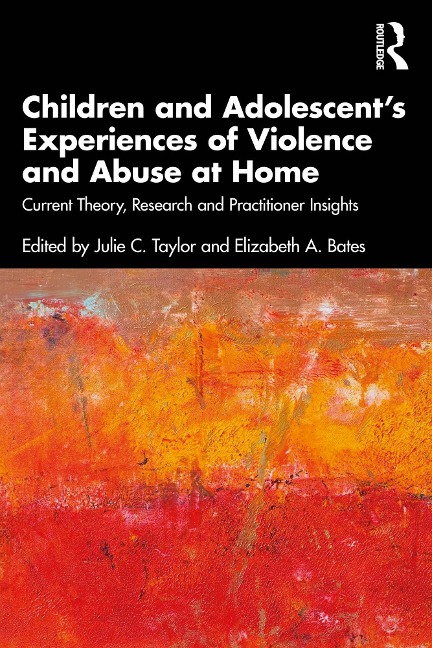
Children and Adolescent's Experiences of Violence and Abuse at Home is a unique book that explores some of the main controversies and challenges within the field. The book is organised into three sections, the first covering work that has focused on the experiences of living in DV settings as a child or young person, the second offers overviews of the impact of child victimisation and the final section is about working with children in practice and service-based settings. It includes extensive reviews of the literature, empirical research and practice observations, all of which provide compelling evidence of a need to change how we construct victims and design services. It provides evidence for the need to work sensitively, inclusively, and responsively around issues of victim identification, support, and prevention. Moreover, the evidence urges us to include children's and adult victim/survivor's experiences and contributions in the creation of services. Concluding with a series of recommendations for both future research, and ways in which we can help use the research findings to inform practice, it is a must-read for researchers, practitioners and educators working with children and young people within the field of domestic violence and abuse. It will also be of interest and value to policy makers who are reviewing legislation and those involved in commissioning psychological services, and victim services that work with child and adolescent victims.
Dr Julie C. Taylor is Head of Learning, Teaching and Student Experience for the Institute of Health at the University of Cumbria. A chartered psychologist by background Julie's passion is research that is participatory and collaborative. In recent years the focus has been children's experience of domestic violence, an interest that burgeoned following a 3-year study of sentenced women in the criminal justice system, all of whom related accounts of their victimisation as children and the impact this had on their schooling, relationships, and subsequent opportunities. Dr Elizabeth A. Bates is Principal Lecturer in Psychology and Psychological Therapies at the University of Cumbria, UK. Her research focus is on working with male victims of domestic violence including their experiences of physical and psychological abuse, the impact on them, and the ways the abuse can continue and change post separation.
0. Introduction. Part I. Children and Young people's experiences of DVA. 1. Children's experiences of domestic violence and abuse: Resistances and paradoxical resiliencies. 2. The impact of exposure to domestic violence in childhood: What can reviews of the literature tell us about sex-differences? 3. Growing up with domestic abuse: retrospective accounts. 4. A European perspective on children and adolescents who experience domestic violence and abuse. 5. Children's exposure to domestic violence in rural Pakistani societies. Part II. The impact of DVA on children. 6. The impact of domestic violence and abuse on children and young people: Internalising symptoms and mental health. 7. The self-regulation capacities of young people exposed to violence. 8. School experiences of children experiencing domestic violence. 9. Barriers to help-seeking from the victim/survivor perspective. 10. The journey towards recovery: Adults reflections on their learning and recovery from experiencing childhood domestic abuse. Part III. Insights from Practice. 11. Negotiating power, ethics, and agency: Working towards centralising children's voices in the DVA intervention evidence-base. 12. How children talk about domestic abuse in the home: insights for practitioners. 13. Psychological sequelae of witnessing intra-parental violence on children's development as individuals and (future) partners. 14. Responding to the mental health needs of children who experience domestic violence. 15. Mind the blind spot: Accounts of fathering by domestically violent men. 16. Wellbeing Development for Young people who have experienced violence and abuse. 17. Conclusion.
Dieses eBook wird im PDF-Format geliefert und ist mit einem Adobe Kopierschutz (DRM) versehen. Sie können dieses eBook mit allen Geräten lesen, die das PDF-Format und den Adobe Kopierschutz (DRM) unterstützen.
Zum Beispiel mit den folgenden Geräten:
• tolino Reader
Laden Sie das eBook direkt über den Reader-Shop auf dem tolino herunter oder übertragen Sie das eBook auf Ihren tolino mit einer kostenlosen Software wie beispielsweise Adobe Digital Editions.
• Sony Reader & andere eBook Reader
Laden Sie das eBook direkt über den Reader-Shop herunter oder übertragen Sie das eBook mit der kostenlosen Software Sony READER FOR PC/Mac oder Adobe Digital Editions auf ein Standard-Lesegeräte mit epub- und Adobe DRM-Unterstützung.
• Tablets & Smartphones
Möchten Sie dieses eBook auf Ihrem Smartphone oder Tablet lesen, finden Sie hier unsere kostenlose Lese-App für iPhone/iPad und Android Smartphone/Tablets.
• PC & Mac
Lesen Sie das eBook direkt nach dem Herunterladen mit einer kostenlosen Lesesoftware, beispielsweise Adobe Digital Editions, Sony READER FOR PC/Mac oder direkt über Ihre eBook-Bibliothek in Ihrem Konto unter „Meine eBooks“ - „online lesen“.
Schalten Sie das eBook mit Ihrer persönlichen Adobe ID auf bis zu sechs Geräten gleichzeitig frei.
Bitte beachten Sie, dass die Kindle-Geräte das Format nicht unterstützen und dieses eBook somit nicht auf Kindle-Geräten lesbar ist.