Und dann auf "Zum Home-Bildschirm [+]".

Stöbern
genialokal zum Startbildschirm hinzufügen
Installieren Sie die genialokal App auf Ihrem Startbildschirm für einen schnellen Zugriff und eine komfortable Nutzung.
Installieren Sie die genialokal App auf Ihrem Startbildschirm für einen schnellen Zugriff und eine komfortable Nutzung.


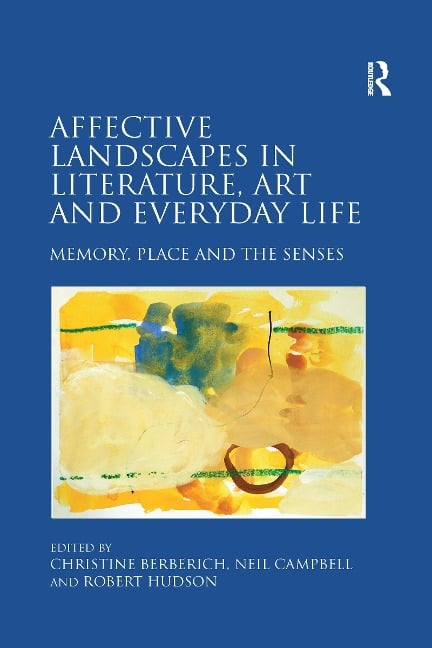
Bringing together a diverse group of scholars representing the fields of cultural and literary studies, cultural politics and history, creative writing and photography, this collection examines the different ways in which human beings respond to, debate and interact with landscape. How do we feel, sense, know, cherish, memorise, imagine, dream, desire or even fear landscape? What are the specific qualities of experience that we can locate in the spaces in and through which we live? While the essays most often begin with the broadly literary - the memoir, the travelogue, the novel, poetry - the contributors approach the topic in diverse and innovative ways. The collection is divided into five sections: 'Peripheral Cultures', dealing with dislocation and imagined landscapes'; 'Memory and Mobility', concerning the road as the scene of trauma and movement; 'Suburbs and Estates', contrasting American and English spaces; 'Literature and Place', foregrounding the fluidity of the fictional and the real and the human and nonhuman; and finally, 'Sensescapes', tracing the sensory response to landscape. Taken together, the essays interrogate important issues about how we live now and might live in the future.
Christine Berberich is Senior Lecturer in English Literature at the University of Portsmouth, Neil Campbell is Professor of American Studies in the College of Law, Humanities and Social Sciences, University of Derby, and Robert Hudson is Professor of European History and Cultural Politics in the College of Law, Humanities and Social Sciences, University of Derby.
Part 1 Peripheral Cultures: 'You're not in Ireland now': landscape and loss in Irish women's poetry. At some distance from the Scottish mainland: urban television producers and Hebridean Islands. Part 2 Memory and Mobility: Placing affect: remembering strangers at roadside crash shrines. Speed and stillness: driving in the countryside. Part 3 Suburbs and Estates: Doomed developments in the desert: re-reading land development, the American family and ordinary places in a time of 'cruel optimism'. A child in the suburb. At once irrational and objective: photography's construction of place. Part 4 Literature and Place: 'Other than they were': fair places full of folk. Great plains' vernacular: why spatial idiolect matters. 'The last pure place on earth': Antarctic affect in Jenny Diski's Skating to Antarctica and Sara Wheeler's Terra Incognita. Plots: the narrative of place in contemporary nature writing. Part 5 Sensescapes: Dancing - worlding the beach: revealing connections through phenomenological movement inquiry. Listening at home. In-between places: envisioning and accessing new landscapes.
Dieses eBook wird im PDF-Format geliefert und ist mit einem Adobe Kopierschutz (DRM) versehen. Sie können dieses eBook mit allen Geräten lesen, die das PDF-Format und den Adobe Kopierschutz (DRM) unterstützen.
Zum Beispiel mit den folgenden Geräten:
• tolino Reader
Laden Sie das eBook direkt über den Reader-Shop auf dem tolino herunter oder übertragen Sie das eBook auf Ihren tolino mit einer kostenlosen Software wie beispielsweise Adobe Digital Editions.
• Sony Reader & andere eBook Reader
Laden Sie das eBook direkt über den Reader-Shop herunter oder übertragen Sie das eBook mit der kostenlosen Software Sony READER FOR PC/Mac oder Adobe Digital Editions auf ein Standard-Lesegeräte mit epub- und Adobe DRM-Unterstützung.
• Tablets & Smartphones
Möchten Sie dieses eBook auf Ihrem Smartphone oder Tablet lesen, finden Sie hier unsere kostenlose Lese-App für iPhone/iPad und Android Smartphone/Tablets.
• PC & Mac
Lesen Sie das eBook direkt nach dem Herunterladen mit einer kostenlosen Lesesoftware, beispielsweise Adobe Digital Editions, Sony READER FOR PC/Mac oder direkt über Ihre eBook-Bibliothek in Ihrem Konto unter „Meine eBooks“ - „online lesen“.
Schalten Sie das eBook mit Ihrer persönlichen Adobe ID auf bis zu sechs Geräten gleichzeitig frei.
Bitte beachten Sie, dass die Kindle-Geräte das Format nicht unterstützen und dieses eBook somit nicht auf Kindle-Geräten lesbar ist.