Und dann auf "Zum Home-Bildschirm [+]".

Stöbern
genialokal zum Startbildschirm hinzufügen
Installieren Sie die genialokal App auf Ihrem Startbildschirm für einen schnellen Zugriff und eine komfortable Nutzung.
Installieren Sie die genialokal App auf Ihrem Startbildschirm für einen schnellen Zugriff und eine komfortable Nutzung.

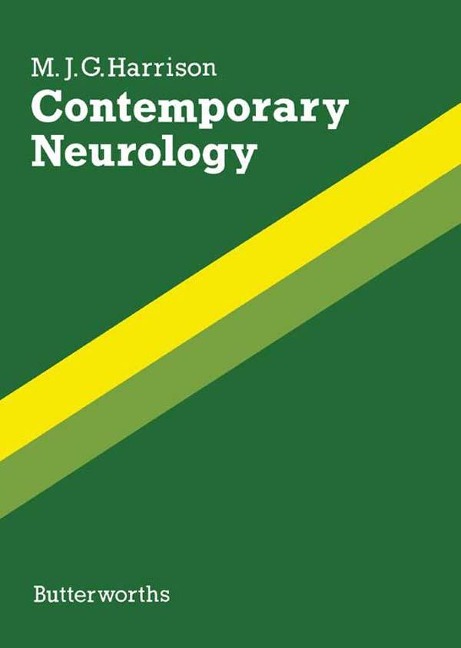
Contemporary Neurology compiles a large series of papers on the commonest neurological problems. This book discusses the management of epilepsy, involuntary movements, nerve and muscle diseases, and multiple sclerosis. The areas on infections, cerebrovascular disease, trauma, intracranial pressure, and vertebral column are also elaborated. This text likewise describes medical procedures on how to do a lumbar and cisternal puncture. Other topics include headache in children, hyperventilation, dizziness, funny turns-neurological, dysarthria, facial pain, and nystagmus. The weakness of the legs, loss of memory, coma, brain death, complications of alcoholism, and stupor and akinetic mutism are also covered. This publication is valuable to clinicians and examination candidates preparing for the DPM, MRCP (UK) and Neurology/Psychiatry "Boards.
Contemporary NeurologyPrefaceList of ContributorsChapter 1. Headache Acute Single Episodes of Headache Acute Recurrent Episodes of Headache Headaches of Subacute Onset Chronic Headache Conclusion Front Cover References Contemporary NeurologyChapter 2. Headache in Children Incidence Acute Headache in A Previously Healthy Child Recurrent Or Chronic Headaches Unexplained Recurrent Headaches Migraine Tension Headache Investigation in A Child with "Unexplained" Headaches ReferencesChapter 3. Funny Turns-Neurological Drop in Cerebral Perfusion Basilar Ischaemia Epilepsy Breath-Holding Attacks in Children Intermittent Obstructive Hydrocephalus Trauma Prostrating Vertigo Cryptogenic Drop Attacks of Women Narcolepsy Metabolic Causes Hyperventilation Hysteria Investigation and Management ReferencesChapter 4. Funny Turns-Cardiac Funny Turns Resulting From Cardiac Arrhythmias Fainting Carotid Sinus Syncope Funny Turns in Patients with Pacemakers Funny Turns That Do Not Involve Arrhythmias Drugs Cardiac Investigation of Patients with Funny Turn ReferencesChapter 5. Hyperventilation Diagnosis Mechanisms of Action Conclusion ReferencesChapter 6. Dizziness Children Adults Investigation Management ReferencesChapter 7. Dysarthria Dysphonia Dysphasia The Causes of Dysarthria Clinical Course Dysarthria in Childhood ReferencesChapter 8. Facial Pain Infection Ocular Causes Dental Occlusion and Malfunction of the Temporomandibular Joint Salivary Calculi Trigeminal Neuralgia (Tic Douloureux) Trigeminal Neuropathy Trigeminal Nerve Lesions Atypical Facial Pain Cluster Headaches Migraine Variants Causalgia ReferencesChapter 9. Nystagmus Clinically Significant Nystagmus Nomenclature Commoner Types of Nystagmus Rarer Types of Nystagmus Other Abnormal Ocular Movements Summary ReferencesChapter 10. Pins and Needles Clinical Features Diffuse Pins and Needles Pins and Needles Localized to the Limbs Pins and Needles Localized to An Area of A LimbChapter 11. The Wasted Hand The Median Nerve The Ulnar Nerve Combined Median and Ulnar Nerve Lesions Brachial Plexus Spinal Cord Disease Clinical Summary ReferencesChapter 12. Weakness of the Legs Acute Paraplegia Chronic Spastic Paraparesis Unilateral Spastic Weakness Foot Drop Proximal Weakness: The Quadriceps Syndrome Other Causes of Weakness of the LegsChapter 13. Loss of Memory Neuropathology of Amnesia Psychogenic Factors Permanent Amnesic States Treatment Addendum ReferencesChapter 14. Stupor and Akinetic Mutism Depressive Stupor Catatonic Stupor Organic Stupor (Akinetic Mutism) Psychogenic Stupor Simulated Stupor Pathophysiology Conclusion ReferencesChapter 15. Coma Diffuse Disorders Localized Brain Disease Plan of Treatment ReferencesChapter 16. Brain Death Clinical Criteria Eeg Cerebral Circulation Conclusion ReferencesChapter 17. Complications of Alcoholism Intoxication Phenomena Withdrawal Phenomena Toxic and Deficiency Disorders "Functional" Disorders with An Alcoholic Component ReferencesManagement of Epilepsy Chapter 18. Blackouts Chapter 19. Emergency Treatment of Seizures Single Seizure Frequent Seizures Chapter 20. Temporal Lobe Epilepsy Aetiological Factors Clinical Features Differential Diagnosis Overall Management Eeg Investigation Drug Treatment Surgery For Epilepsy Prognosis Conclusion References Chapter 21.