Und dann auf "Zum Home-Bildschirm [+]".

Stöbern
genialokal zum Startbildschirm hinzufügen
Installieren Sie die genialokal App auf Ihrem Startbildschirm für einen schnellen Zugriff und eine komfortable Nutzung.
Installieren Sie die genialokal App auf Ihrem Startbildschirm für einen schnellen Zugriff und eine komfortable Nutzung.
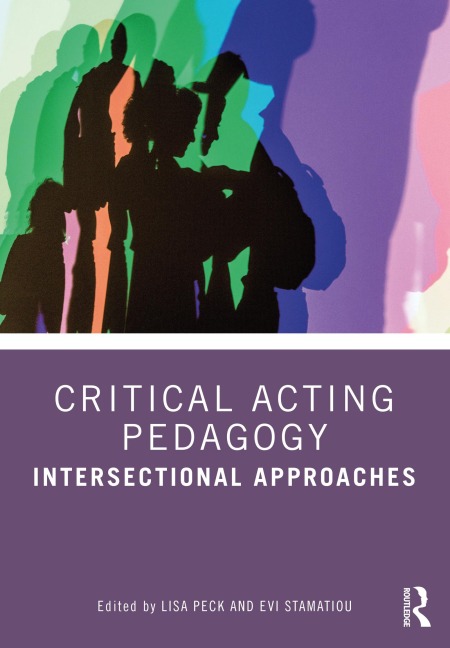
Critical Acting Pedagogy: Intersectional Approaches invites readers to think about pedagogy in actor training as a research field in its own right: to sit with the complex challenges, risks, and rewards of the acting studio; to recognise the shared vulnerability, courage, and love that defines our field and underpins our practices. This collection of chapters, from a diverse group of acting teachers at different points in their careers, working in conservatoires and universities, illuminates current developments in decolonising studios to foreground multiple and intersecting identities in the pedagogic exchange. In acknowledging how their positionality affects their practices and materials, 20 acting teachers from the United Kingdom, the United States, Europe, and Oceania offer practical tools for the social justice acting classroom, with rich insights for developing critical acting pedagogies. Authors test and develop research approaches, drawn from social sciences, to tackle dominant ideologies in organisation, curriculum, and methodologies of actor training. This collection frames current efforts to promote equality, diversity, and inclusivity in the studio. It contributes to the collective movement to improve current educational practice in acting, prioritising well-being, and centering the student experience.
Lisa Peck is Senior Lecturer in Theatre and Performance Practice at the University of Sussex. Her research interests include actor training, theatre-making pedagogies, women in theatre, critical pedagogies, and site-based performance. Evi Stamatiou is Senior Lecturer and Course Leader of the MA/MFA Acting for Stage and Screen at the University of East London. She is a practitioner-researcher of actor training with two decades of international experience as an actor and creative.
List of Contributors Acknowledgements Foreword by Josette Bushell-Mingo Introduction Lisa Peck and Evi Stamatiou PART ONE: Intersectional Methodologies and Critical Acting Pedagogies 1 Oppression and the Actor: Locating Freire's Pedagogy in the Training Space Peter Zazzali 2 Playing with Difference in Actor Training: A Method to Transform Policy into Pedagogy Kristine Landon-Smith and Chris Hay 3 Cultivating the Reflexive Practitioner in the Performance Studio: An Intersectional Approach Valerie Clayman Pye 4 Critiquing from the Centre: Challenging Breath Pedagogies within Dominant British-centric Voice Training Denis Cryer-Lennon 5 Training Actors' Voices and Decolonising Curriculum: Shifting Epistemologies Stan Brown and Tara Mcallister-Viel PART TWO: Approaches to Scene Study as Cultural Intersectionality 6 Reconsidering the Link between Text, Technique and Teaching in Actor Training Sherrill Gow 7 Liberating Casting and Training Practices for Mixed-Asian Students Amy Rebecca King and Robert Torigoe 8 Liminal Casting: Self-Inquisitive Scene Study in Actor Training Evi Stamatiou PART THREE: Structural Intersectionality in Values and Assessment 9 We Can Imagine You Here: Acknowledging the Need and Setting the Stage for Multi-layered Institutional Adaptation at Yale University's School of Drama Jennifer Smolos Steele 10 Complex Movements for Change: A Case Study Niamh Dowling 11 Developing a Social Justice PWI Acting Studio through Equitable Assessments Elizabeth M. Cizmar 12 Singing Pedagogy for Actors: Questioning Quality Electa Behrens and Oystein Elle PART FOUR: Interpersonal Intersectionality: Learning Edges 13 Developing the Actor Trainer: Welcome, Trust, and Critical Exchange Jessica Hartley 14 Scaffolding Consent and Intimacy in the Acting Classroom: Bridging the Gap between Learning and Doing Joelle Ré Arp-Dunham 15 A Neurocosmopolitan Approach to Actor Training: Learning from Neurodivergent Ways-of-doing Zoë Glen Afterword by Amy Mihyang Ginther
Dieses eBook wird im PDF-Format geliefert und ist mit einem Adobe Kopierschutz (DRM) versehen. Sie können dieses eBook mit allen Geräten lesen, die das PDF-Format und den Adobe Kopierschutz (DRM) unterstützen.
Zum Beispiel mit den folgenden Geräten:
• tolino Reader
Laden Sie das eBook direkt über den Reader-Shop auf dem tolino herunter oder übertragen Sie das eBook auf Ihren tolino mit einer kostenlosen Software wie beispielsweise Adobe Digital Editions.
• Sony Reader & andere eBook Reader
Laden Sie das eBook direkt über den Reader-Shop herunter oder übertragen Sie das eBook mit der kostenlosen Software Sony READER FOR PC/Mac oder Adobe Digital Editions auf ein Standard-Lesegeräte mit epub- und Adobe DRM-Unterstützung.
• Tablets & Smartphones
Möchten Sie dieses eBook auf Ihrem Smartphone oder Tablet lesen, finden Sie hier unsere kostenlose Lese-App für iPhone/iPad und Android Smartphone/Tablets.
• PC & Mac
Lesen Sie das eBook direkt nach dem Herunterladen mit einer kostenlosen Lesesoftware, beispielsweise Adobe Digital Editions, Sony READER FOR PC/Mac oder direkt über Ihre eBook-Bibliothek in Ihrem Konto unter „Meine eBooks“ - „online lesen“.
Schalten Sie das eBook mit Ihrer persönlichen Adobe ID auf bis zu sechs Geräten gleichzeitig frei.
Bitte beachten Sie, dass die Kindle-Geräte das Format nicht unterstützen und dieses eBook somit nicht auf Kindle-Geräten lesbar ist.