Und dann auf "Zum Home-Bildschirm [+]".

Stöbern
genialokal zum Startbildschirm hinzufügen
Installieren Sie die genialokal App auf Ihrem Startbildschirm für einen schnellen Zugriff und eine komfortable Nutzung.
Installieren Sie die genialokal App auf Ihrem Startbildschirm für einen schnellen Zugriff und eine komfortable Nutzung.
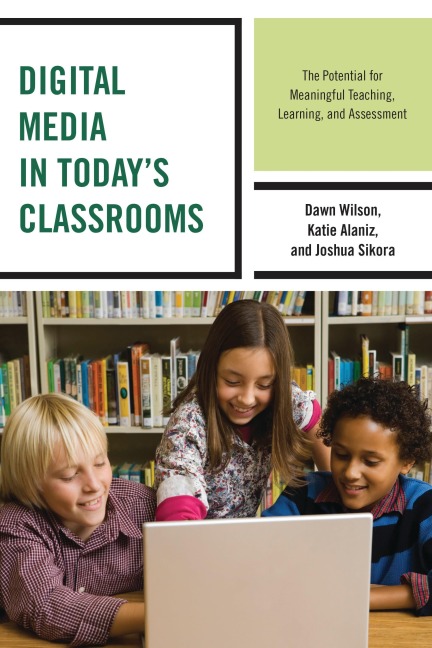
Educators who engage with today's students appreciate the impact digital media has on the lives of our younger generations. Learners of today consume, create, and publish multimedia content continuously, using a variety of devices such as cell phones, tablets, and computers. They generate original and innovative products through programs, apps, and the Internet as a means of communicating and representing their lives, ideas, and feelings. Unfortunately, not all students understand how to apply media literacy or media safety, and many lack knowledge of how to truly analyze media content for its value in society.
Today's educators must learn to harness the enthusiasm students have for digital media (content that uses a combination of text, images, audio, animation, and video) into daily lessons in order to enhance student interest, engagement, motivation, and achievement in classroom environments. This book addresses these vital considerations, thereby empowering teachers and students to benefit from the application of digital media in their classrooms, both as a compelling assessment tool and as an engaging teaching strategy.
Dawn Wilson taught middle school math for 16 years before becoming a full time faculty member and professor of educational technology at Houston Baptist University for the last 16 years. In this position, Dr. Wilson has mentored university and K-12 teachers as they learn how to integrate instructional technology in the classroom across a variety of disciplines. Her research and writing interests include coaching for technology integration, teaching online, and flipping classroom instruction.
Katie Alaniz is an instructor of graduate education courses at Houston Baptist University, where she works with undergraduate and graduate students seeking to make a positive impact in schools and society. As an instructional technologist and elementary teacher for over a decade in both public and private school settings, Dr. Alaniz developed an abiding passion for guiding and supporting fellow educators as they seek to meaningfully incorporate enriching and engaging digital tools within their classroom learning environments.
Joshua Sikora is the director of Cinema & New Media Arts at Houston Baptist University, where he teaches about cinematic theory, multimedia production, and developing technologies. An award-winning filmmaker and new media entrepreneur, Sikora is also the founder of New Renaissance Pictures, an independent production company through which he has produced a variety of feature films, TV series, and documentaries.
Acknowledgements
Introduction
Chapter 1: Digital Media - What Is It, and Why Does It Matter?
Who Are These 21st Century Learners?What Is Digital Media and How Does It Impact Learning?Digital Media: The Ever-Present Companion of Today's StudentsHow Can Teachers Enhance Students' 21st Century Literacy Skills?How Do Educational Standards and Media Correlate?Essential Ideas to RememberReferencesChapter 2: Research Findings and the Implications on Learning
How Does Technology Impact Learning?How Does Multimedia Content Impact Learning?How Is the Role of Video Content in Student Leaning Evolving?Research ImplicationsEssential Ideas to RememberReferencesChapter 3: Essential Considerations in Using Digital Media
The Growing Imperative of Media LiteracySuffering Not from Lack of Innovation, but Rather Lack of EducationIn the Digital World, as in the Physical World, Student Safety is ParamountCoping with COPPANow Playing in a Classroom Near You...Giving Credit Where Credit Is DueThe Code of Best Practices in Fair Use for Media Literacy EducationEssential Ideas to RememberReferencesChapter 4:Planning for Digital Media: Settings, Groupings, and Platforms
First Things FirstThe Understanding by Design FrameworkThe Universal Design for Learning (UDL) ModelBloom's TaxonomyClassroom Instruction That WorksDigital Media's Role Within These FrameworksSharpening the Axe: Crucial Factors to Consider When Planning for Digital Media IntegrationReady, Set, Learn!Where to Begin?Essential Ideas to RememberReferencesChapter 5: Using Digital Media to READY Students for Learning: Preparing Learners to Acquire Key Knowledge and Skills
Readying Instructional ResourcesReadying the Learners: Activating Engagement, Motivation, and InterestWhat's the Point?The Power of Prior KnowledgeThe Potential of a Focused MindThe Promise of Personal InterestThe Potent Influence of Personal Motivation"TEASe"ing the Students to Impact Attention, Motivation, and InterestEssential Ideas to RememberTEASe Making ResourcesReferencesChapter 6: SETTING Meaningful Learning: Supporting Students with Content Acquisition
Why Reinvent the Wheel? The Benefits of Pre-Created Digital MediaLights, Camera, Action! The Enchanting Features of Film in Classroom SettingsLearners as Viewers: Leveraging the Transportive Potential of MediaTapping the Riches of Pre-Created Digital Media ContentLearners as Participants: Actively Engaging Students with Interactive ResourcesThe Best of Both Worlds: Digital Media Options that Enable Students to Interact as Viewers and ParticipantsDigital Media in Action: Examples of Digital Media Lessons in Classroom SettingsEssential Ideas to RememberChapter 7: LEARNING with Digital Media: Empowering Students to Demonstrate Learning through Design and Creation
It's Not Going to Be Easy, But It Will Be Worth It!Positioning Students in the Driver's SeatPutting the Pedal to the Metal: Encouraging Students to Lead the Way through AuthoringWhat's the Point? Driving Media Integration with PurposeDecisions, Decisions: Crucial Considerations for Successfully Implementing Student-Centered Digital MediaInspiration for the Journey: Examples of Student-Centered Digital Media ProjectsEssential Ideas to RememberChapter 8: Assessing the Use of Digital Media
An Assortment of Assessment TypesA Time and a Place for Every Assessment TypeAssessing with PurposeAesthetic Appeal: Stressing the Significance of StylePresentation Is Everything... Or at Least Highly Important!Teamwork Makes the Dream Work: Fostering Classroom CollaborationAssessment in Action: Representative Rubrics to Guide the JourneyEssential Ideas to RememberReferencesChapter 9:Digital Media for Flipped or Distance Learning
What Is Virtual Learning, and What's the Big Deal?Blended Learning: The Best of Both Worlds?Flip It! Flip It Good!The Art of Flipping: Putting It into PracticeMaking the Most of Increased Class TimeTools for CreatingEvaluatingAnalyzingApplyingUnderstanding and RememberingTo Create or Not to Create? That Is the Question!Think Before You Flip: Key Considerations Prior to FlippingCreating Screencasts with a ComputerCreating Screencasts with an iPadThe Challenge: Finding the Perfect Place to Store Resources for Sharing and ViewingInspiration for Future Flipping EndeavorsEssential Ideas to RememberReferencesChapter 10: Looking Forward to What is Next: Future Technologies and Their Role in the Classroom
Silicon Valley's InfluenceSoftware-Supported Personalized LearningVirtual Reality and Augmented RealityChanging Landscapes and Changing StudentsEssential Ideas to RememberReferences
Dieses eBook wird im PDF-Format geliefert und ist mit einem Adobe Kopierschutz (DRM) versehen. Sie können dieses eBook mit allen Geräten lesen, die das PDF-Format und den Adobe Kopierschutz (DRM) unterstützen.
Zum Beispiel mit den folgenden Geräten:
• tolino Reader
Laden Sie das eBook direkt über den Reader-Shop auf dem tolino herunter oder übertragen Sie das eBook auf Ihren tolino mit einer kostenlosen Software wie beispielsweise Adobe Digital Editions.
• Sony Reader & andere eBook Reader
Laden Sie das eBook direkt über den Reader-Shop herunter oder übertragen Sie das eBook mit der kostenlosen Software Sony READER FOR PC/Mac oder Adobe Digital Editions auf ein Standard-Lesegeräte mit epub- und Adobe DRM-Unterstützung.
• Tablets & Smartphones
Möchten Sie dieses eBook auf Ihrem Smartphone oder Tablet lesen, finden Sie hier unsere kostenlose Lese-App für iPhone/iPad und Android Smartphone/Tablets.
• PC & Mac
Lesen Sie das eBook direkt nach dem Herunterladen mit einer kostenlosen Lesesoftware, beispielsweise Adobe Digital Editions, Sony READER FOR PC/Mac oder direkt über Ihre eBook-Bibliothek in Ihrem Konto unter „Meine eBooks“ - „online lesen“.
Schalten Sie das eBook mit Ihrer persönlichen Adobe ID auf bis zu sechs Geräten gleichzeitig frei.
Bitte beachten Sie, dass die Kindle-Geräte das Format nicht unterstützen und dieses eBook somit nicht auf Kindle-Geräten lesbar ist.