Und dann auf "Zum Home-Bildschirm [+]".

Stöbern
genialokal zum Startbildschirm hinzufügen
Installieren Sie die genialokal App auf Ihrem Startbildschirm für einen schnellen Zugriff und eine komfortable Nutzung.
Installieren Sie die genialokal App auf Ihrem Startbildschirm für einen schnellen Zugriff und eine komfortable Nutzung.
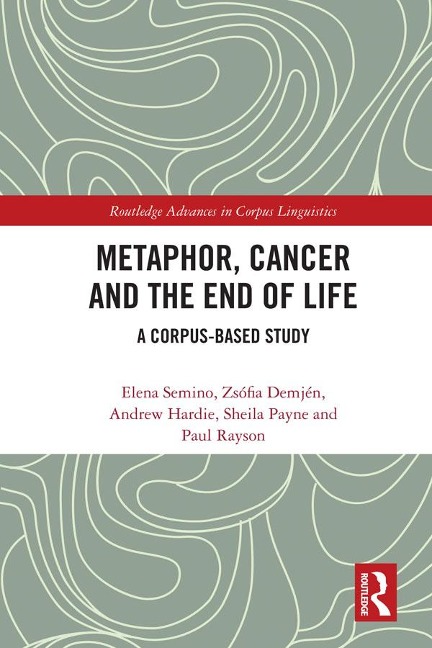
This book presents the methodology, findings and implications of a large-scale corpus-based study of the metaphors used to talk about cancer and the end of life (including care at the end of life) in the UK. It focuses on metaphor as a central linguistic and cognitive tool that is frequently used to talk and think about sensitive and subjective experiences, such as illness, emotions, death, and dying, and that can both help and hinder communication and well-being, depending on how it is used. The book centers on a combination of qualitative analyses and innovative corpus linguistic methods. This methodological assemblage was applied to the systematic study of the metaphors used in a 1.5-million-word corpus. The corpus consists of interviews with, and online forum posts written by, members of three stakeholder groups, namely: patients diagnosed with advanced cancer; unpaid carers looking after a relative with a diagnosis of advanced cancer; and healthcare professionals. The book presents a range of qualitative and quantitative findings that have implications for: metaphor theory and analysis; corpus linguistic and computational approaches to metaphor; and training and practice in cancer care and hospice, palliative and end-of-life care.
Elena Semino is Professor of Linguistics and Verbal Art in the Department of Linguistics and English Language at Lancaster University, and Visiting Professor at the University of Fuzhou (China). Zsófia Demjén is Senior Lecturer in Applied Linguistics at the UCL Centre for Applied Linguistics. Andrew Hardie is a Reader in Linguistics at Lancaster University. Sheila Payne is Emeritus Chair in Palliative Care at the International Observatory on End of Life Care at Lancaster University, and Visiting Professor at Ulster University and Zurich University of Applied Sciences. Paul Rayson is Director of the UCREL research centre and Reader in Natural Language Processing at Lancaster University.
1. Introduction 2. Background: Metaphor, Corpus Linguistics and Communication about Cancer and the End of Life 3. Data and General Methodology 4. Key Topics and Main Metaphor Patterns in the Corpus 5. Violence Metaphors 6. Journey Metaphors 7. Metaphors for the Relationship Between Patients and Healthcare Professionals 8. Health Professionals' Metaphors for Good and Bad Deaths 9. Family Carers' Metaphors for the Emotions Associated with Bereavement 10. Patients' Humorous Metaphors for Cancer Online 11. Conclusions
Dieses eBook wird im PDF-Format geliefert und ist mit einem Adobe Kopierschutz (DRM) versehen. Sie können dieses eBook mit allen Geräten lesen, die das PDF-Format und den Adobe Kopierschutz (DRM) unterstützen.
Zum Beispiel mit den folgenden Geräten:
• tolino Reader
Laden Sie das eBook direkt über den Reader-Shop auf dem tolino herunter oder übertragen Sie das eBook auf Ihren tolino mit einer kostenlosen Software wie beispielsweise Adobe Digital Editions.
• Sony Reader & andere eBook Reader
Laden Sie das eBook direkt über den Reader-Shop herunter oder übertragen Sie das eBook mit der kostenlosen Software Sony READER FOR PC/Mac oder Adobe Digital Editions auf ein Standard-Lesegeräte mit epub- und Adobe DRM-Unterstützung.
• Tablets & Smartphones
Möchten Sie dieses eBook auf Ihrem Smartphone oder Tablet lesen, finden Sie hier unsere kostenlose Lese-App für iPhone/iPad und Android Smartphone/Tablets.
• PC & Mac
Lesen Sie das eBook direkt nach dem Herunterladen mit einer kostenlosen Lesesoftware, beispielsweise Adobe Digital Editions, Sony READER FOR PC/Mac oder direkt über Ihre eBook-Bibliothek in Ihrem Konto unter „Meine eBooks“ - „online lesen“.
Schalten Sie das eBook mit Ihrer persönlichen Adobe ID auf bis zu sechs Geräten gleichzeitig frei.
Bitte beachten Sie, dass die Kindle-Geräte das Format nicht unterstützen und dieses eBook somit nicht auf Kindle-Geräten lesbar ist.