Und dann auf "Zum Home-Bildschirm [+]".

Stöbern
genialokal zum Startbildschirm hinzufügen
Installieren Sie die genialokal App auf Ihrem Startbildschirm für einen schnellen Zugriff und eine komfortable Nutzung.
Installieren Sie die genialokal App auf Ihrem Startbildschirm für einen schnellen Zugriff und eine komfortable Nutzung.
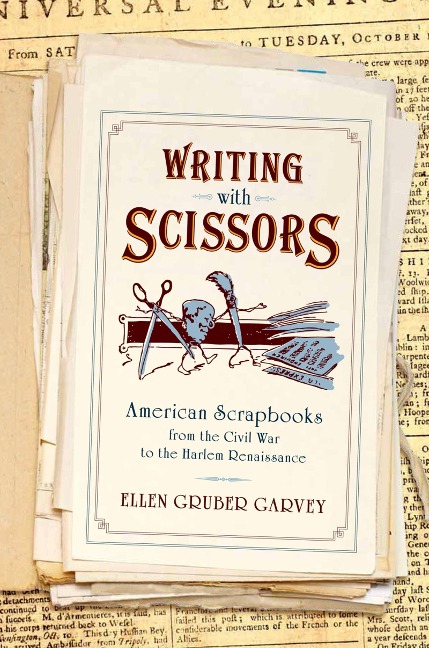
Men and women 150 years ago grappled with information overload by making scrapbooks-the ancestors of Google and blogging. From Abraham Lincoln to Susan B. Anthony, African American janitors to farmwomen, abolitionists to Confederates, people cut out and pasted down their reading. Writing with Scissors opens a new window into the feelings and thoughts of ordinary and extraordinary Americans. Like us, nineteenth-century readers spoke back to the media, and treasured what mattered to them. In this groundbreaking book, Ellen Gruber Garvey reveals a previously unexplored layer of American popular culture, where the proliferating cheap press touched the lives of activists and mourning parents, and all who yearned for a place in history. Scrapbook makers documented their feelings about momentous public events such as living through the Civil War, mediated through the newspapers. African Americans and women's rights activists collected, concentrated, and critiqued accounts from a press that they did not control to create "unwritten histories" in books they wrote with scissors. Whether scrapbook makers pasted their clippings into blank books, sermon collections, or the pre-gummed scrapbook that Mark Twain invented, they claimed ownership of their reading. They created their own democratic archives. Writing with Scissors argues that people have long had a strong personal relationship to media. Like newspaper editors who enthusiastically "scissorized" and reprinted attractive items from other newspapers, scrapbook makers passed their reading along to family and community. This book explains how their scrapbooks underlie our present-day ways of thinking about information, news, and what we do with it.
Ellen Gruber Garvey is Professor of English at the New Jersey City University and the author of the award-winning The Adman in the Parlor: Magazines and the Gendering of Consumer Culture.
Introduction Chapter 1: Reuse, Recycle, Recirculate: Scrapbooks Remake Value Chapter 2: Mark Twain's Scrapbook Innovations Chapter 3: Civil War Scrapbooks: Newspaper and Nation Chapter 4 Alternative Histories in African American Scrapbooks Chapter 5: Strategic Scrapbooks: Activist Women's Clipping and Self-Creation Chapter 6: Scrapbook as Archive, Scrapbooks in Archives Chapter 7: The Afterlife of the Nineteenth-Century Scrapbook Index
Dieses eBook wird im PDF-Format geliefert und ist mit einem Adobe Kopierschutz (DRM) versehen. Sie können dieses eBook mit allen Geräten lesen, die das PDF-Format und den Adobe Kopierschutz (DRM) unterstützen.
Zum Beispiel mit den folgenden Geräten:
• tolino Reader
Laden Sie das eBook direkt über den Reader-Shop auf dem tolino herunter oder übertragen Sie das eBook auf Ihren tolino mit einer kostenlosen Software wie beispielsweise Adobe Digital Editions.
• Sony Reader & andere eBook Reader
Laden Sie das eBook direkt über den Reader-Shop herunter oder übertragen Sie das eBook mit der kostenlosen Software Sony READER FOR PC/Mac oder Adobe Digital Editions auf ein Standard-Lesegeräte mit epub- und Adobe DRM-Unterstützung.
• Tablets & Smartphones
Möchten Sie dieses eBook auf Ihrem Smartphone oder Tablet lesen, finden Sie hier unsere kostenlose Lese-App für iPhone/iPad und Android Smartphone/Tablets.
• PC & Mac
Lesen Sie das eBook direkt nach dem Herunterladen mit einer kostenlosen Lesesoftware, beispielsweise Adobe Digital Editions, Sony READER FOR PC/Mac oder direkt über Ihre eBook-Bibliothek in Ihrem Konto unter „Meine eBooks“ - „online lesen“.
Schalten Sie das eBook mit Ihrer persönlichen Adobe ID auf bis zu sechs Geräten gleichzeitig frei.
Bitte beachten Sie, dass die Kindle-Geräte das Format nicht unterstützen und dieses eBook somit nicht auf Kindle-Geräten lesbar ist.