Und dann auf "Zum Home-Bildschirm [+]".

Stöbern
genialokal zum Startbildschirm hinzufügen
Installieren Sie die genialokal App auf Ihrem Startbildschirm für einen schnellen Zugriff und eine komfortable Nutzung.
Installieren Sie die genialokal App auf Ihrem Startbildschirm für einen schnellen Zugriff und eine komfortable Nutzung.
Ihr gewünschter Artikel ist in 0 Buchhandlungen vorrätig - wählen Sie hier eine Buchhandlung in Ihrer Nähe aus:

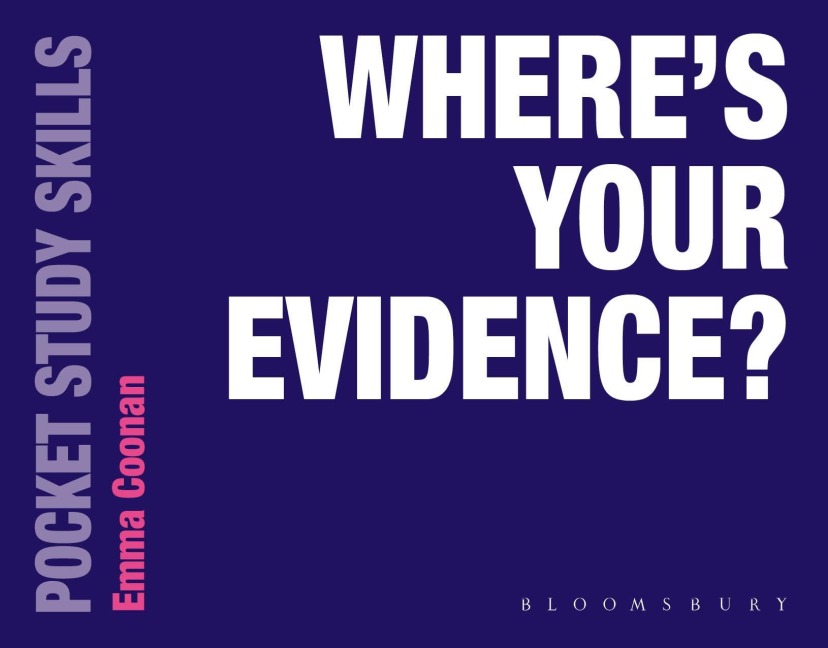
This engaging guide will equip students with the knowledge, skills and tools to find and evaluate academic information in a critical, informed and thoughtful way. It begins by encouraging students to think about the purpose of their information search, before taking them step-by-step through the process of searching for information, from sifting through search results to critically evaluating information. The final part of the book explores finding and evaluating information in the wider world, and shows students how to put the skills they've learned into effect in the workplace and in daily life. This will be an essential resource for students of all disciplines who need to master the fundamentals of finding information.
Emma Coonan
INTRODUCTION PART I: WHY GOOD EVIDENCE MATTERS Chapter 1: What do we mean by evidence? Chapter 2: But what's the right answer? Chapter 3: What are my lecturers looking for? Chapter 4: Using Wikipedia and other factual sources PART II: CHOOSING YOUR EVIDENCE Chapter 5: Finding your focus Chapter 6: Information 'flavours' Chapter 7: Where to start Chapter 8: Collecting your evidence: a 4-step plan Chapter 9: Taking it further PART III: EXPLORING YOUR EVIDENCE Chapter 10: Getting your feet wet: skim reading strategies Chapter 11: Squeezing out the juice: summarising your skim reading Chapter 12: Active notemaking Chapter 13: Stepping stones: finding your way to (and through) more material PART IV: USING YOUR EVIDENCE Chapter 14: Putting the pieces together Chapter 15: Dealing with conflicting evidence Chapter 16: Building the 'spine' of your argument Chapter 17: Signposting your evidence PART V: EVIDENCE IN EVERYDAY LIFE Chapter 18: Reading between the lines-uncovering bias in everyday information Chapter 19: Social biases and structural inequality Chapter 20: Dealing with misinformation and fake news CONCLUSION REFERENCES.