Und dann auf "Zum Home-Bildschirm [+]".

Stöbern
genialokal zum Startbildschirm hinzufügen
Installieren Sie die genialokal App auf Ihrem Startbildschirm für einen schnellen Zugriff und eine komfortable Nutzung.
Installieren Sie die genialokal App auf Ihrem Startbildschirm für einen schnellen Zugriff und eine komfortable Nutzung.
Ihr gewünschter Artikel ist in 0 Buchhandlungen vorrätig - wählen Sie hier eine Buchhandlung in Ihrer Nähe aus:

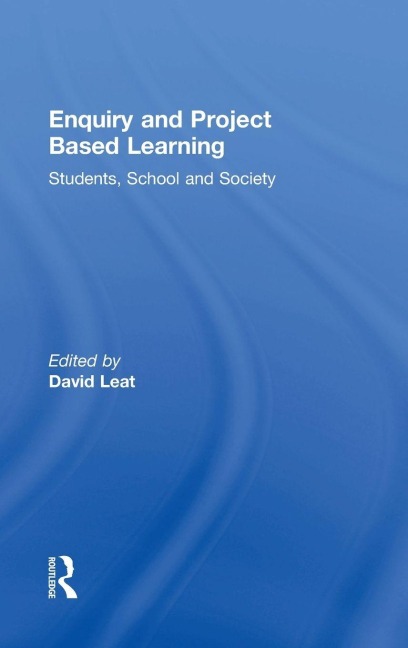

This book is about enquiry based learning (and related problem based learning - EBL and PBL) and its implications for teachers, schools, students and society. Many within the education community, teachers and academics feel that 'standards' education is not serving us well: not preparing students for work, life, HE, citizenship, health & well-being, and not sustaining interest in education and learning. Standards education is not providing a balanced, purposeful, motivating curriculum
Many schools in the UK and indeed other countries have lost a vision of the curriculum as an induction into the challenges, joys and stresses of life, or indeed any vision of the curriculum as a transformative or societal medium. Schools are shaped by socio-cultural historical factors which predominantly stress exam performance. However both amongst teachers and wider society there is a considerable suppressed desire to transform educational outcomes and EBL and PBL are the prime candidates for achieving such a goal. Enquiry is education driven by curiosity, questions and solving problems and the outcomes are both equal or better than standard outcomes and also better intrinsically, preparing students to be learners and citizens.
David Leat is Professor of Curriculum Innovation at Newcastle University, UK, Director of the Research Centre for Learning and Teaching, and Assistant Director of SOLE Central (researching Sugata Mitra's Self Organised Learning Environments concept). He is also coordinator of the North East EPBL Network.
Why we need enquiry and project based learning Understanding enquiry Assessment of learning outcomes in EPBL Enquiry and project-based learning: Students, school and society through a socio-cultural lens Adapting Self Organised Learning Environments to primary schools in Australia Balancing structure and flexibility: Teacher's orchestration in collaborative long-term inquiry Developing a community orientation through a focus on local heritage and environment The importance of audience in project based learning The Broomley Bee Meadow Project Community curriculum making and EPBL