Und dann auf "Zum Home-Bildschirm [+]".

Stöbern
genialokal zum Startbildschirm hinzufügen
Installieren Sie die genialokal App auf Ihrem Startbildschirm für einen schnellen Zugriff und eine komfortable Nutzung.
Installieren Sie die genialokal App auf Ihrem Startbildschirm für einen schnellen Zugriff und eine komfortable Nutzung.
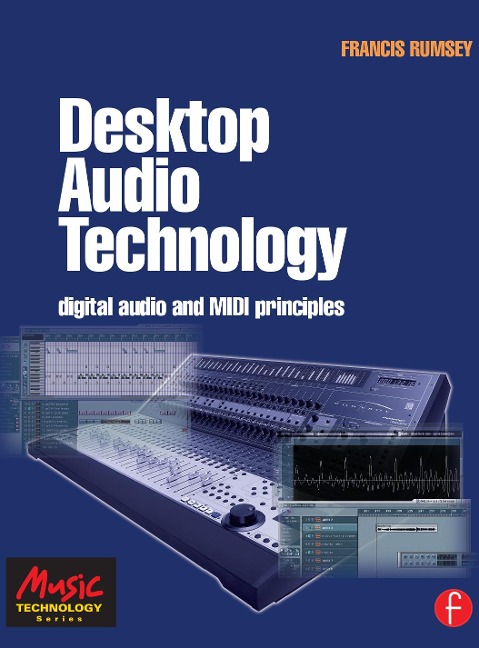
In this thorough introduction to the technology behind audio workstations, Dr Francis Rumsey explains not only how digital audio works but also how to make best use of its capabilities. A combined revision of his two successful titles, MIDI Systems and Control and The Audio Workstation Handbook, this new book covers recent developments such as surround sound formats, direct stream digital, new audio project formats, new interfaces and alternatives to MIDI.
Desktop Audio Technology begins by setting out principles of digital audio and how these are applied in recording, replay and editing within workstations. MIDI and synthetic audio control is then covered, looking at the means by which artificial sounds can be controlled and manipulated. This is followed by explanations of hardware, including storage devices, buses, computer interfaces and audio processing options. Dr Rumsey then focuses on transferring audio between systems, including coverage of audio interfaces, networking and file formats. The next section examines audio software, providing working examples of different commercial packages that exemplify some of the concepts previously described. The final chapter considers operational issues such as recent spatial reproduction formats, consumer format mastering and quality control issues, as well as troubleshooting and systems issues.
If you are a student, lecturer or practitioner in the field of audio and are looking for an authoritative technical guide to the underlying principles of digital audio and MIDI, this book is for you.
Dr Francis Rumsey is a Reader in Sound Recording at the University of Surrey (UK) and a Visiting Professor at the School of Music in Piteå (Sweden). He is a Fellow of the Audio Engineering Society and a regular contributor to the AES Journal. Dr Rumsey is also author of Spatial Audio and co-author of Sound and Recording (with Tim McCormick) and The Digital Interface Handbook (with John Watkinson), all published by Focal Press.
Professor of Sound Recording at the University of Surrey (UK) and a Visiting Professor at the School of Music in Piteå (Sweden). Fellow of the Audio Engineering Society and a regular contributor to the AES Journal.
Introduction to audio technology for computers; Digital audio principles; Recording, replay and editing principles; MIDI and synthetic audio control; Hardware and systems issues; Audio formats and data interchange; Audio software; Operational and systems issues
Dieses eBook wird im PDF-Format geliefert und ist mit einem Adobe Kopierschutz (DRM) versehen. Sie können dieses eBook mit allen Geräten lesen, die das PDF-Format und den Adobe Kopierschutz (DRM) unterstützen.
Zum Beispiel mit den folgenden Geräten:
• tolino Reader
Laden Sie das eBook direkt über den Reader-Shop auf dem tolino herunter oder übertragen Sie das eBook auf Ihren tolino mit einer kostenlosen Software wie beispielsweise Adobe Digital Editions.
• Sony Reader & andere eBook Reader
Laden Sie das eBook direkt über den Reader-Shop herunter oder übertragen Sie das eBook mit der kostenlosen Software Sony READER FOR PC/Mac oder Adobe Digital Editions auf ein Standard-Lesegeräte mit epub- und Adobe DRM-Unterstützung.
• Tablets & Smartphones
Möchten Sie dieses eBook auf Ihrem Smartphone oder Tablet lesen, finden Sie hier unsere kostenlose Lese-App für iPhone/iPad und Android Smartphone/Tablets.
• PC & Mac
Lesen Sie das eBook direkt nach dem Herunterladen mit einer kostenlosen Lesesoftware, beispielsweise Adobe Digital Editions, Sony READER FOR PC/Mac oder direkt über Ihre eBook-Bibliothek in Ihrem Konto unter „Meine eBooks“ - „online lesen“.
Schalten Sie das eBook mit Ihrer persönlichen Adobe ID auf bis zu sechs Geräten gleichzeitig frei.
Bitte beachten Sie, dass die Kindle-Geräte das Format nicht unterstützen und dieses eBook somit nicht auf Kindle-Geräten lesbar ist.