Und dann auf "Zum Home-Bildschirm [+]".

Stöbern
genialokal zum Startbildschirm hinzufügen
Installieren Sie die genialokal App auf Ihrem Startbildschirm für einen schnellen Zugriff und eine komfortable Nutzung.
Installieren Sie die genialokal App auf Ihrem Startbildschirm für einen schnellen Zugriff und eine komfortable Nutzung.
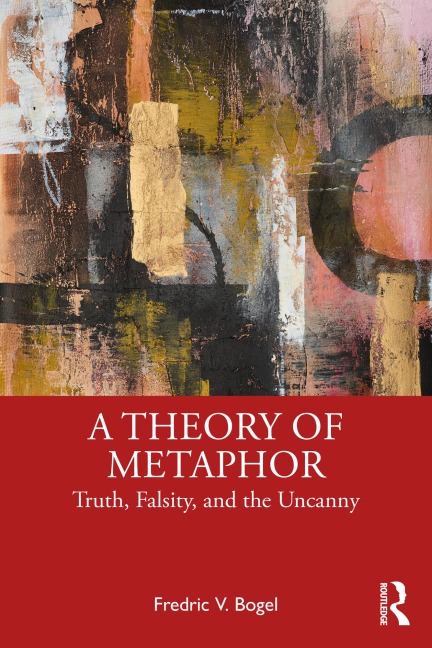
A Theory of Metaphor: Truth, Falsity, and the Uncanny is a strikingly original analysis of metaphor. Scholarly and imaginative, this sophisticated theory builds on a simple definition: metaphors are not comparisons but statements of identity (A is B), statements simultaneously true and false. Bogel explores a broad range of literary theory and philosophy: from Aristotle to Zizek, Augustine to Wittgenstein, Richards to Ricoeur and Blumenberg. The book analyzes a wide variety of literary and non-literary texts, including popular forms such as graveyard epitaphs, sermons, cartoons (Garry Trudeau's Doonesbury), and a haunting episode of Star Trek: The Next Generation. It extends the central concept of truth and falsity to the reader's encounter with metaphor, figural interpretation of scripture, entire poems as metaphors, the aesthetics of obliquity and textual impurity, and Freudian psychoanalysis-in particular, links between metaphor and the uncanny. This rigorously and eloquently argued book will be invaluable to students of metaphor across such fields as literary criticism and theory, philosophy, linguistics, rhetoric, psychoanalysis, and media studies. Its arguments are enriched by numerous concrete examples and analyses that bring theory to life and help to reach beyond an academic audience. Bogel's ground-breaking study takes our understanding of metaphor in new and important directions.
Fredric V. Bogel is Professor of English, emeritus, at Cornell University, USA. He is the author of New Formalist Criticism: Theory and Practice (2013).
Acknowledgements 1. Introduction: A Theory of Metaphor 2. Processing Metaphor: Resistance and Interpretation 3. Metaphor and Biblical Interpretation 4. The Persistence of the Tenor: Falsity in Truth 5. The Decline of Literal Truth and Reference 6. Poems as Metaphors: To Truth through Fiction 7. The Double Transit of Metaphor: Metaphor and the Uncanny 8. Novelty and the End State of Metaphor: Uncanny Doubling 9. The Uncanny: Psychoanalytic and Metaphoric 10. Metaphor and Affect: The Uncanny, Paradox, Wonder, Religion 11. Conclusion Appendix Bibliography Index
Dieses eBook wird im PDF-Format geliefert und ist mit einem Adobe Kopierschutz (DRM) versehen. Sie können dieses eBook mit allen Geräten lesen, die das PDF-Format und den Adobe Kopierschutz (DRM) unterstützen.
Zum Beispiel mit den folgenden Geräten:
• tolino Reader
Laden Sie das eBook direkt über den Reader-Shop auf dem tolino herunter oder übertragen Sie das eBook auf Ihren tolino mit einer kostenlosen Software wie beispielsweise Adobe Digital Editions.
• Sony Reader & andere eBook Reader
Laden Sie das eBook direkt über den Reader-Shop herunter oder übertragen Sie das eBook mit der kostenlosen Software Sony READER FOR PC/Mac oder Adobe Digital Editions auf ein Standard-Lesegeräte mit epub- und Adobe DRM-Unterstützung.
• Tablets & Smartphones
Möchten Sie dieses eBook auf Ihrem Smartphone oder Tablet lesen, finden Sie hier unsere kostenlose Lese-App für iPhone/iPad und Android Smartphone/Tablets.
• PC & Mac
Lesen Sie das eBook direkt nach dem Herunterladen mit einer kostenlosen Lesesoftware, beispielsweise Adobe Digital Editions, Sony READER FOR PC/Mac oder direkt über Ihre eBook-Bibliothek in Ihrem Konto unter „Meine eBooks“ - „online lesen“.
Schalten Sie das eBook mit Ihrer persönlichen Adobe ID auf bis zu sechs Geräten gleichzeitig frei.
Bitte beachten Sie, dass die Kindle-Geräte das Format nicht unterstützen und dieses eBook somit nicht auf Kindle-Geräten lesbar ist.