Und dann auf "Zum Home-Bildschirm [+]".

Stöbern
genialokal zum Startbildschirm hinzufügen
Installieren Sie die genialokal App auf Ihrem Startbildschirm für einen schnellen Zugriff und eine komfortable Nutzung.
Installieren Sie die genialokal App auf Ihrem Startbildschirm für einen schnellen Zugriff und eine komfortable Nutzung.
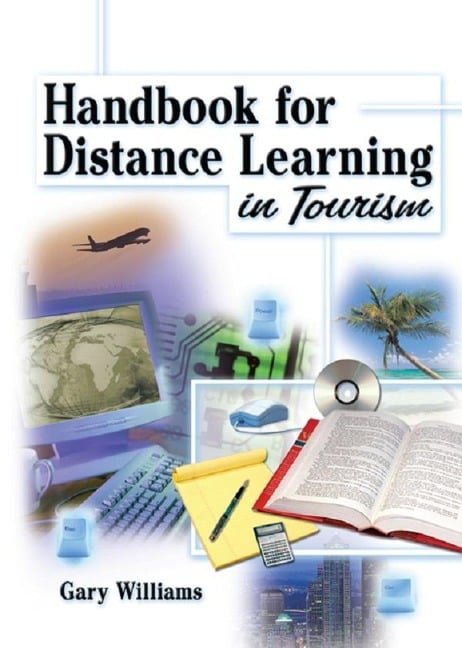
Deliver quality instruction to your studentson-campus or off The Handbook for Distance Learning in Tourism is a practical, down-to-earth guide to developing and using print-based and Internet-based flexible learning resources for courses where students rarely, if ever, attend on-campus classes. Whether you're a teacher who needs to develop course notes into a flexible learning package, a Web site, or both, or you just want information about how to teach in a flexible environment, the book will provide the help you need-in language you can understand. Designed to guide you through the completion of a projector a semesterthis hands-on book offers strategies, suggestions, hints, and examples, and includes a hotel and tourism case study that illustrates effective concepts and strategies. Written by Gary Williams, co-editor of The Internet and Travel and Tourism Education (Haworth), this unique book will help you develop print-based and Internet-based learning resources instead of focusing only on one or the other, breaking down the barriers placed between learning environments. The strategies presented are timeless, with no comparisons of specific commercial or noncommercial products to become outdated and no Web site addresses to become useless. The book makes extensive use of tables, graphics, and illustrations and has its own Web site that's regularly updated, listing online resources arranged on a chapter-by-chapter basis. The Handbook for Distance Learning in Tourism examines: - the roles and characteristics of a project manager - developing and buying resources - considerations before committing to a project - maximizing project ownership - ensuring quality content - educational design guidelines - media foundations - production, design, and maintenance of print resources - developing and using Web sites - computer-mediated contact - course management systems (CMS) - and much more! The Handbook for Distance Learning in Tourism is an invaluable guidebook for educators working in the field of hotel and tourism management as well as academics, project managers, and educational designers who are interested in flexible learning developments.
- Preface - Acknowledgments - Chapter 1. Introduction to Flexible Learning and the Case Study - Objectives - Topic 1.1: What Is a Flexible Learning Environment? - Topic 1.2: Maximizing the Return on Investment - Topic 1.3: Introducing the Case Study - Topic 1.4: The Development Model - Key Points - Chapter 2. The Project Manager - Objectives - Topic 2.1: Every Project Has a Manager - Topic 2.2: The Role and Characteristics of a Project Manager - Topic 2.3: Project Management Aids - Topic 2.4: The Project As Organized Chaos - Key Points - Chapter 3. Starting a Project - Objectives - Topic 3.1: The Spark - Topic 3.2: Developing and Buying Resources - Topic 3.3: The Project Team - Topic 3.4: Stakeholder Meetings - Topic 3.5: Maximizing Project Ownership - Topic 3.6: Considerations Before Committing to a ProjectA Self-Appraisal for Teachers - Key Points - Chapter 4. Educational and Design Foundations - Objectives - Topic 4.1: Introduction - Topic 4.2: ConstructivismA Theory of Knowledge - Topic 4.3: Ensuring Quality Content - Topic 4.4: Educational Design Guidelines for Learning Resources - Topic 4.5: Writing a Course Outline - Topic 4.6: Copyright - Key Points - Chapter 5. Media Foundations - Objectives - Topic 5.1: Introduction - Topic 5.2: The Teacher Is Essential - Topic 5.3: Determining the Needs, Wants, and Technology Access of Students - Topic 5.4: Secondary DeterminantsTeacher, Institution, and Course Factors - Topic 5.5: Using Media Instead of a Medium - Key Points - Chapter 6. Developing Print Resources - Objectives - Topic 6.1: Introduction - Topic 6.2: Advantages and Disadvantages of Print Learning Resources - Topic 6.3: Production - Topic 6.4: Design - Topic 6.5: Maintenance and Revision - Key Points - Chapter 7. Developing and Using Web Sites - Objectives - Topic 7.1: Introduction - Topic 7.2: Advantages and Disadvantages of Web Sites - Topic 7.3: Using the World Wide Web - Topic 7.4: Production - Topic 7.5: Design - Topic 7.6: Maintenance and Revision - Key Points - Chapter 8. Computer-Mediated Contact - Objectives - Topic 8.1: Introduction - Topic 8.2: The Advantages and Challenges of Computer-Mediated Contact - Topic 8.3: Teachers' Roles - Topic 8.4: Training and Support Roles - Key Points - Chapter 9. Course Management Systems - Objectives - Topic 9.1: Introduction - Topic 9.2: The Advantages and Challenges of Course Management Systems - Topic 9.3: A Teacher's PerspectiveUsing A Course Management System - Topic 9.4: Training and Support Roles - Key Points - Chapter 10. Teaching in a Flexible Learning Environment - Objectives - Topic 10.1: Introduction - Topic 10.2: Before a Course Starts - Topic 10.3: The Start of a Course - Topic 10.4: During a Course - Topic 10.5: The Responsibilities of Educational Designers - Key Points - Chapter 11. Being a Student in a Flexible Learning Environment - Objectives - Topic 11.1: Introduction - Topic 11.2: The Advantages and Challenges of Flexible Learning - Topic 11.3: You Have Enrolled in a Flexible Learning CourseWhat Now? - Topic 11.4: Making the Most of Learning Resources - Key Points - References - Index
Dieses eBook wird im PDF-Format geliefert und ist mit einem Adobe Kopierschutz (DRM) versehen. Sie können dieses eBook mit allen Geräten lesen, die das PDF-Format und den Adobe Kopierschutz (DRM) unterstützen.
Zum Beispiel mit den folgenden Geräten:
• tolino Reader
Laden Sie das eBook direkt über den Reader-Shop auf dem tolino herunter oder übertragen Sie das eBook auf Ihren tolino mit einer kostenlosen Software wie beispielsweise Adobe Digital Editions.
• Sony Reader & andere eBook Reader
Laden Sie das eBook direkt über den Reader-Shop herunter oder übertragen Sie das eBook mit der kostenlosen Software Sony READER FOR PC/Mac oder Adobe Digital Editions auf ein Standard-Lesegeräte mit epub- und Adobe DRM-Unterstützung.
• Tablets & Smartphones
Möchten Sie dieses eBook auf Ihrem Smartphone oder Tablet lesen, finden Sie hier unsere kostenlose Lese-App für iPhone/iPad und Android Smartphone/Tablets.
• PC & Mac
Lesen Sie das eBook direkt nach dem Herunterladen mit einer kostenlosen Lesesoftware, beispielsweise Adobe Digital Editions, Sony READER FOR PC/Mac oder direkt über Ihre eBook-Bibliothek in Ihrem Konto unter „Meine eBooks“ - „online lesen“.
Schalten Sie das eBook mit Ihrer persönlichen Adobe ID auf bis zu sechs Geräten gleichzeitig frei.
Bitte beachten Sie, dass die Kindle-Geräte das Format nicht unterstützen und dieses eBook somit nicht auf Kindle-Geräten lesbar ist.