Und dann auf "Zum Home-Bildschirm [+]".

Stöbern
genialokal zum Startbildschirm hinzufügen
Installieren Sie die genialokal App auf Ihrem Startbildschirm für einen schnellen Zugriff und eine komfortable Nutzung.
Installieren Sie die genialokal App auf Ihrem Startbildschirm für einen schnellen Zugriff und eine komfortable Nutzung.
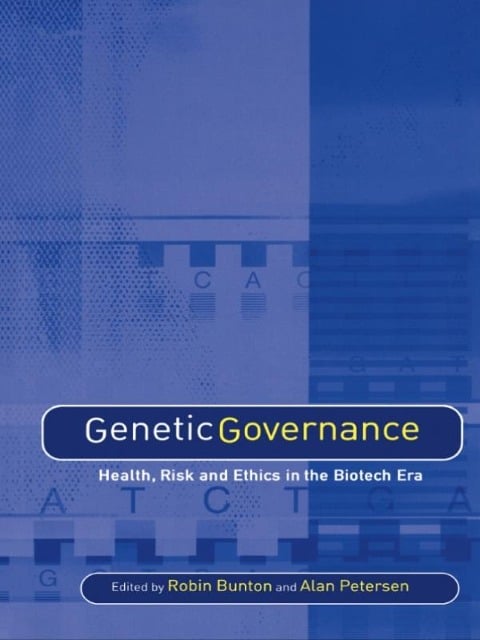
Ethical and practical issues around genetic research are of major international concern, both in academia and in the public domain. Questions concerning what interventions are possible and appropriate with the increasing amount of genetic information available, challenge our understandings of ourselves, our health and wellbeing, and the role of medical ethics, public health, surveillance and risk. However there has been little reflection on the socio-political effects of this new genetic knowledge and the changes in practice that are currently impacting on our lives. Containing contributions from key international researchers, this book examines the broader issues of genetic debates and looks at how prediction and risk assessment is being changed in the arenas of health, medicine and reproduction, bringing new insight on the dangers of surveillance, regulation and increased inequality. Developed out of the Taylor and Francis journal Critical Public Health, the book considers the implications of developments in genetics for contemporary liberal governance, as well as for the future of healthcare and public health.
Robin Bunton is Professor of Sociology at the University of Teeside. He has previously worked as a researcher and practitioner in the public health field and published widely in the sociology of health. Alan Petersen is Professor of Sociology at the Univeristy of Plymouth. He has researched and published widely in the sociology of health and illness, and more specifically in the sociology of the new genetics.
Section 1: Introduction: Genetic, Governance, and Ethics Section 2: Ethics, Risk and Governance 1. Ethics of Clinical Genetics: The Spirit of the Profession and Trials of Suitability from 1970 to 2000 2. Risk Management and Ethics in High-Tech Antenatal Care: The Finnish Experience 3. The First Genetic Screening in Finland: Its Execution, Evaluation and some Possible Implications for Liberal Government 4. Choice as Responsibility: Genetic Testing as Citizenship through Familial Obligation and the Management of Risk Section 3: Risk, Population and Identity 5. From Eugenics to the Government of Genetic Risks 6. The Sociology of the New Genetics: Conceptualising the Links Between Reproduction, Gender and Bodies 7. Who's Right to Choose? The New Genetics, Prenatal Testing and People 8. 'New' Genetics Meets the Old Underclass: Findings from a Study of Genetic Outreach Services in Rural Kentucky Section 4: Knowledge, Goverance, and the Future 9. Public Health And The `New Genetics': Balancing Individual And Collective Outcomes 10. More Than Code: From Genetic Reductionism To Complex Biological Systems 11. Emerging Forms of Governance in Genomics and Post-Genomics: Structures, Trends, Perspectives
Dieses eBook wird im PDF-Format geliefert und ist mit einem Adobe Kopierschutz (DRM) versehen. Sie können dieses eBook mit allen Geräten lesen, die das PDF-Format und den Adobe Kopierschutz (DRM) unterstützen.
Zum Beispiel mit den folgenden Geräten:
• tolino Reader
Laden Sie das eBook direkt über den Reader-Shop auf dem tolino herunter oder übertragen Sie das eBook auf Ihren tolino mit einer kostenlosen Software wie beispielsweise Adobe Digital Editions.
• Sony Reader & andere eBook Reader
Laden Sie das eBook direkt über den Reader-Shop herunter oder übertragen Sie das eBook mit der kostenlosen Software Sony READER FOR PC/Mac oder Adobe Digital Editions auf ein Standard-Lesegeräte mit epub- und Adobe DRM-Unterstützung.
• Tablets & Smartphones
Möchten Sie dieses eBook auf Ihrem Smartphone oder Tablet lesen, finden Sie hier unsere kostenlose Lese-App für iPhone/iPad und Android Smartphone/Tablets.
• PC & Mac
Lesen Sie das eBook direkt nach dem Herunterladen mit einer kostenlosen Lesesoftware, beispielsweise Adobe Digital Editions, Sony READER FOR PC/Mac oder direkt über Ihre eBook-Bibliothek in Ihrem Konto unter „Meine eBooks“ - „online lesen“.
Schalten Sie das eBook mit Ihrer persönlichen Adobe ID auf bis zu sechs Geräten gleichzeitig frei.
Bitte beachten Sie, dass die Kindle-Geräte das Format nicht unterstützen und dieses eBook somit nicht auf Kindle-Geräten lesbar ist.