Und dann auf "Zum Home-Bildschirm [+]".

Stöbern
genialokal zum Startbildschirm hinzufügen
Installieren Sie die genialokal App auf Ihrem Startbildschirm für einen schnellen Zugriff und eine komfortable Nutzung.
Installieren Sie die genialokal App auf Ihrem Startbildschirm für einen schnellen Zugriff und eine komfortable Nutzung.
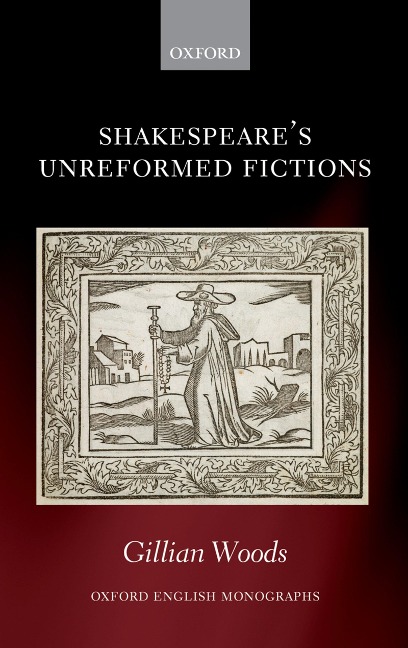
Why does Catholicism have such an imaginative hold on Shakespearean drama, even though the on-going Reformation outlawed its practice? Shakespeare's Unreformed Fictions contends that the answers to this question are theatrical rather than strictly theological. Avoiding biographical speculation, this book concentrates on dramatic impact, and thoroughly integrates new literary analysis with fresh historical research. In exploring the dramaturgical variety of the 'Catholic' content of Shakespeare's plays, Gillian Woods argues that habits, idioms, images, and ideas lose their denominational clarity when translated into dramatic fiction: they are awkwardly 'unreformed' rather than doctrinally Catholic. Providing nuanced readings of generically diverse plays, this book emphasises the creative function of such unreformed material, which Shakespeare uses to pose questions about the relationship between self and other. A wealth of contextual evidence is studied, including catechisms, homilies, religious polemics, news quartos, and non-Shakespearean drama, to highlight how early modern Catholicism variously provoked nostalgia, faith, conversion, humour, fear, and hatred. This book argues that Shakespeare exploits these contradictory attitudes to frame ethical problems, creating fictional plays that consciously engage audiences in the difficult leaps of faith required by both theatre and theology. By recognizing the playfulness of Shakespeare's unreformed fictions, this book offers a different perspective on the interactions between post-Reformation religion and the theatre, and an alternative angle on Shakespeare's interrogation of the scope of dramatic fiction.
Gillian Woods is a Lecturer in Renaissance Theatre and Drama at Birkbeck College, University of London. She has published on a range of early modern drama, including works by Shakespeare, Christopher Marlowe, John Ford and Anthony Munday.
- Introduction - Incorporating the Past in 1 Henry VI - Converting Names in Love's Labour's Lost - Seeming Difference in Measure for Measure and All's Well that Ends Well - Affecting Possession in King Lear - Knowing Fiction in The Winter's Tale - Bibliography
Dieses eBook wird im PDF-Format geliefert und ist mit einem Adobe Kopierschutz (DRM) versehen. Sie können dieses eBook mit allen Geräten lesen, die das PDF-Format und den Adobe Kopierschutz (DRM) unterstützen.
Zum Beispiel mit den folgenden Geräten:
• tolino Reader
Laden Sie das eBook direkt über den Reader-Shop auf dem tolino herunter oder übertragen Sie das eBook auf Ihren tolino mit einer kostenlosen Software wie beispielsweise Adobe Digital Editions.
• Sony Reader & andere eBook Reader
Laden Sie das eBook direkt über den Reader-Shop herunter oder übertragen Sie das eBook mit der kostenlosen Software Sony READER FOR PC/Mac oder Adobe Digital Editions auf ein Standard-Lesegeräte mit epub- und Adobe DRM-Unterstützung.
• Tablets & Smartphones
Möchten Sie dieses eBook auf Ihrem Smartphone oder Tablet lesen, finden Sie hier unsere kostenlose Lese-App für iPhone/iPad und Android Smartphone/Tablets.
• PC & Mac
Lesen Sie das eBook direkt nach dem Herunterladen mit einer kostenlosen Lesesoftware, beispielsweise Adobe Digital Editions, Sony READER FOR PC/Mac oder direkt über Ihre eBook-Bibliothek in Ihrem Konto unter „Meine eBooks“ - „online lesen“.
Schalten Sie das eBook mit Ihrer persönlichen Adobe ID auf bis zu sechs Geräten gleichzeitig frei.
Bitte beachten Sie, dass die Kindle-Geräte das Format nicht unterstützen und dieses eBook somit nicht auf Kindle-Geräten lesbar ist.