Und dann auf "Zum Home-Bildschirm [+]".

Stöbern
genialokal zum Startbildschirm hinzufügen
Installieren Sie die genialokal App auf Ihrem Startbildschirm für einen schnellen Zugriff und eine komfortable Nutzung.
Installieren Sie die genialokal App auf Ihrem Startbildschirm für einen schnellen Zugriff und eine komfortable Nutzung.
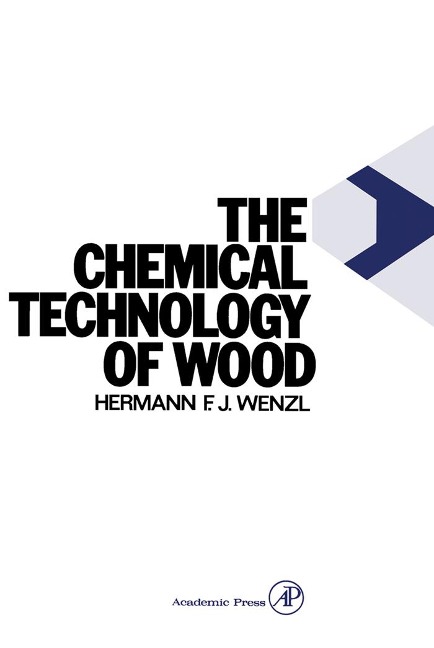
The Chemical Technology of Wood is an eight-chapter introductory text on the developments in understanding the chemistry of wood and its chemical-technological utilization. The opening chapters of this book cover the productive aspects of forests, followed by a description of the anatomy and physical properties of wood. The subsequent chapter presents a summative wood analysis concerning its cellulose, hemicelluloses, lignin, and other extraneous components. This topic is followed by a presentation of several destructive processing of wood, including acid hydrolysis, pyrolysis, oxidation, and hydrogenolysis. The remaining chapters describe the pulp production through sulfite cooking and using alkaline reagents. This book will prove useful to chemists, engineers, biologists, foresters, and economists.
ForewordPrefaceI. Forests as the Source of Raw Materials Introduction 1. The World's Forests 2. The Demand for Wood and Wood Products 2.1. Distribution of the World's Consumption of Wood and Wood Products 2.2. Roundwood and Fuelwood 2.3. Sawnwood and Wood-Based Panels 2.4. Pulp, Paper, and Paperboard 2.5. Wood for Silvichemicals 3. Anticipated Development of the Most Important Wood-Consuming Industries and Future Changes in the World's Wood Balance References II. Anatomy and Physical Properties of Wood The Evolution of Forests 1. The Formation of Wood Cells 2. The Microstructure of Wood Fibers 2.1. The Coniferous Woods 2.2. Deciduous Woods 3. The Fine Structure of the Cell Wall 3.1. The Formation of the Cell Wall and the Terminology of the Cell-Wall Layers 3.2. The Middle Lamella and Primary Wall 3.3. The Secondary Wall 3.4. The Tertiary Lamella (Tertiary Wall) 3.5. The Pits 4. Tissues with Special Functions; Reaction Wood 5. The Physical Properties of Wood 5.1. The Specific Weight, Density, and the Weight of the Wood 5.2. Moisture Content, Hygroscopicity, Sorption 5.3. Specific Heat 6. The Anatomy of Wood and the Production of Fibrous Material References III. The Chemistry of Wood Introduction 1. Summative Wood Analysis 2. Cellulose 2.1. Chemical Structure 2.2. The Submicroscopic Structure 2.3. The Biosynthesis of Cellulose 3. Hemicelluloses 3.1. Introduction 3.2. The Xylan Group 3.3. The Mannan Group 3.4. The Arabinogalactan Group 3.5. The Biogenesis of Hemicelluloses 4. Lignin 4.1. Lignin Preparation 4.2. The Structure of Lignin 4.3. Some Important Technical Lignin Reactions 4.4. The Biogenesis of Lignin 5. Extraneous Components of Wood 5.1. Resins, Terpenes, Fats 5.2. Phenols and Tannins Bibliography References IV. The Acid Hydrolysis of Wood Introduction: Wood Composition and Hydrolysis 1. The Chemistry of the Wood Hydrolysis 1.1. The Hydrolysis of the Cellulose 1.2. Hydrolysis of the Hemicelluloses 1.3. Lignin and Hydrolysis 2. Degradation of the Hydrolysis Products 3. Summary 4. Technical Processes for the Hydrolysis of Wood 4.1. Introduction 4.2. Technical Processes with Hydrochloric Acid 4.3. Hydrolysis with Sulfuric Acid 5. The Processing of the Hydrolysis Products 5.1. Introduction 5.2. The Production of Ethyl Alcohol 5.3. Fermentation to Butanol and Butylene Glycol 5.4. The Production of Glycerol 5.5. Fodder and Nutrient Yeast from Wood Sugar Solutions 5.6. Furfural 5.7. Organic Acids Formed by Fermentation 5.8. Crystalline Glucose 6. Wood Sugar Lignins 7. Review and Outlook for the Future References V. Further Destructive Processing of Wood Introduction 1. The Pyrolysis of Wood 1.1. Effect of Time and Temperature 1.2. Effect of the Surrounding Atmosphere 2. Wood Components and Their Behavior in Pyrolysis 2.1. Cellulose 2.2. Hemicelluloses 2.3. Lignin 3. Products from the Pyrolysis of Wood 3.1. Charcoal 3.2. Wood Tar 3.3. Pyroligneous Acid and Methanol 3.4. Furfural from a Prepyrolysis 4. Technical Processes for the Pyrolysis of Wood 4.1. Charcoal Piles and Carbonization Furnaces without External Heating 4.2. Retort Furnaces 4.3. Economic Aspects of Wood Pyrolysis 5. Hydrolysis and Oxidation in the Presence of Alkali 6. Hydrogenolysis of Wood and Lignin References VI.