Und dann auf "Zum Home-Bildschirm [+]".

Stöbern
genialokal zum Startbildschirm hinzufügen
Installieren Sie die genialokal App auf Ihrem Startbildschirm für einen schnellen Zugriff und eine komfortable Nutzung.
Installieren Sie die genialokal App auf Ihrem Startbildschirm für einen schnellen Zugriff und eine komfortable Nutzung.
Ihr gewünschter Artikel ist in 0 Buchhandlungen vorrätig - wählen Sie hier eine Buchhandlung in Ihrer Nähe aus:

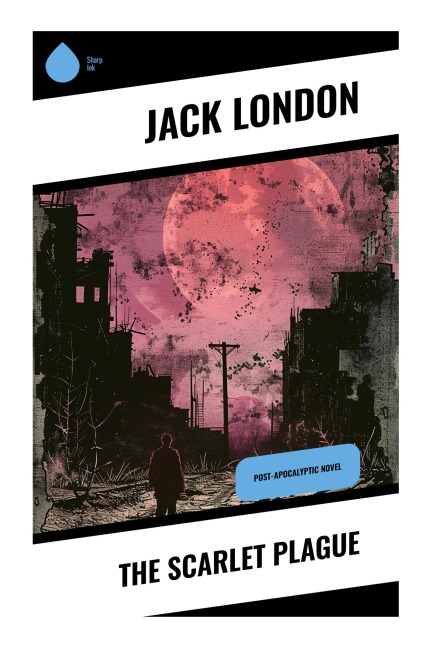
The Scarlet Plague is a compact yet resonant work of early apocalyptic fiction, framed in 2073 as the elderly James Howard Smith-"Granser"-recounts the plague that annihilated civilization in 2013. London combines plain, vigorous narration with ironic futurism, naturalist determinism, and a severe meditation on social regression. Written before modern dystopian conventions had hardened, the novella stands beside fin-de-siècle catastrophe literature while anticipating later plague narratives in its emphasis on memory, class, and the fragility of institutions. Jack London's own intellectual formation helps explain the book's urgency. A self-educated writer shaped by poverty, seafaring, the Klondike, socialism, and the evolutionary thought of Darwin and Spencer, London repeatedly tested civilization against hunger, violence, and environment. His suspicion of capitalist hierarchy and fascination with survival inform both the plague's social collapse and Granser's uneasy nostalgia for the vanished order. Readers interested in speculative fiction's origins, ecological anxiety, or the literature of catastrophe will find The Scarlet Plague brief but intellectually bracing. It is recommended as a stark, unsettling fable about how quickly culture can disappear-and how imperfectly it is remembered.
Jack London (1876-1916) war ein US-amerikanischer Schriftsteller und Journalist. Er erlangte vor allem Bekanntheit durch seine Abenteuerromane Ruf der Wildnis und Wolfsblut sowie durch den mehrfach verfilmten Abenteuerroman Der Seewolf und den autobiographisch beeinflussten Roman Martin Eden. Diese Werke geben gleichzeitig eine Übersicht über die geographischen Räume, die er kannte: den arktischen Norden Nordamerikas (Klondike) zur Zeit des Goldrausches, Kalifornien und den Pazifik bzw. die Seefahrt auf diesem Ozean.