Und dann auf "Zum Home-Bildschirm [+]".

Stöbern
genialokal zum Startbildschirm hinzufügen
Installieren Sie die genialokal App auf Ihrem Startbildschirm für einen schnellen Zugriff und eine komfortable Nutzung.
Installieren Sie die genialokal App auf Ihrem Startbildschirm für einen schnellen Zugriff und eine komfortable Nutzung.
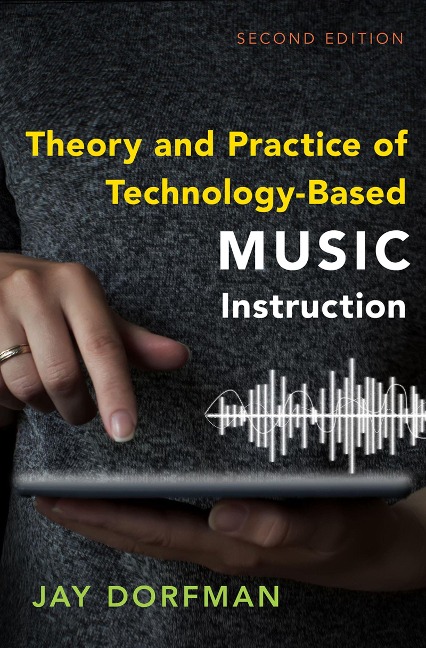
Technology is an increasingly popular part of music education in schools that attracts students to school music who might not otherwise be involved. In many teacher preparation programs, music technology is an afterthought that does not receive the same extensive treatment as do traditional areas of music teaching such as band, orchestra, choir, and general music. This book helps to establish a theoretical and practical foundation for how to teach students to use technology as the major means for developing their musicianship. Including discussions of lesson planning, lesson delivery, and assessment, readers will learn how to gain comfort in the music technology lab. Theory and Practice of Technology-Based Music Instruction also includes profiles of practice that dive into the experiences of real teachers in music technology classes, their struggles, their successes, and lessons we can learn from both. In this second edition, new profiles feature Teachers of Color who use technology extensively in their varied types of music teaching. This edition encourages readers to think about issues of inequity of social justice in music education technology and how teachers might begin to address those concerns. Also updated are sections about new standards that may guide music education technology practice, about distance and technology-enhanced learning during the global pandemic, and about ways to integrate technology in emerging contexts.
Jay Dorfman is Associate Professor of Music Education at Kent State University where he teaches courses in music education technology, progressive and vernacular music education, and graduate research. He previously held a similar position at Boston University. He holds Bachelor and Master of Music degrees in music education from the University of Miami (FL) and the PhD in music education from Northwestern University. Dr. Dorfman's research on music education technology and popular music education has been published in several major research journals and books on these subjects.
Foreword Acknowledgments Introduction to the Second Edition 1. Introducing Technology-Based Music Instruction 2. Models of Music Pedagogy and their Influences on Technology-Based Music Instruction 3. Theoretical Foundations 4. Materials for Technology-Based Music Instruction 5. Teaching Methods and Teacher Behaviors 6. Lesson Design in Technology-Based Music Instruction 7. Assessment and Technology-Based Music Instruction 8. Accountability Concerns 9. Teacher Preparation Considerations 10. Future Considerations for Technology-Based Music Instruction Appendix Bibliography Index
Dieses eBook wird im PDF-Format geliefert und ist mit einem Adobe Kopierschutz (DRM) versehen. Sie können dieses eBook mit allen Geräten lesen, die das PDF-Format und den Adobe Kopierschutz (DRM) unterstützen.
Zum Beispiel mit den folgenden Geräten:
• tolino Reader
Laden Sie das eBook direkt über den Reader-Shop auf dem tolino herunter oder übertragen Sie das eBook auf Ihren tolino mit einer kostenlosen Software wie beispielsweise Adobe Digital Editions.
• Sony Reader & andere eBook Reader
Laden Sie das eBook direkt über den Reader-Shop herunter oder übertragen Sie das eBook mit der kostenlosen Software Sony READER FOR PC/Mac oder Adobe Digital Editions auf ein Standard-Lesegeräte mit epub- und Adobe DRM-Unterstützung.
• Tablets & Smartphones
Möchten Sie dieses eBook auf Ihrem Smartphone oder Tablet lesen, finden Sie hier unsere kostenlose Lese-App für iPhone/iPad und Android Smartphone/Tablets.
• PC & Mac
Lesen Sie das eBook direkt nach dem Herunterladen mit einer kostenlosen Lesesoftware, beispielsweise Adobe Digital Editions, Sony READER FOR PC/Mac oder direkt über Ihre eBook-Bibliothek in Ihrem Konto unter „Meine eBooks“ - „online lesen“.
Schalten Sie das eBook mit Ihrer persönlichen Adobe ID auf bis zu sechs Geräten gleichzeitig frei.
Bitte beachten Sie, dass die Kindle-Geräte das Format nicht unterstützen und dieses eBook somit nicht auf Kindle-Geräten lesbar ist.