Und dann auf "Zum Home-Bildschirm [+]".

Stöbern
genialokal zum Startbildschirm hinzufügen
Installieren Sie die genialokal App auf Ihrem Startbildschirm für einen schnellen Zugriff und eine komfortable Nutzung.
Installieren Sie die genialokal App auf Ihrem Startbildschirm für einen schnellen Zugriff und eine komfortable Nutzung.
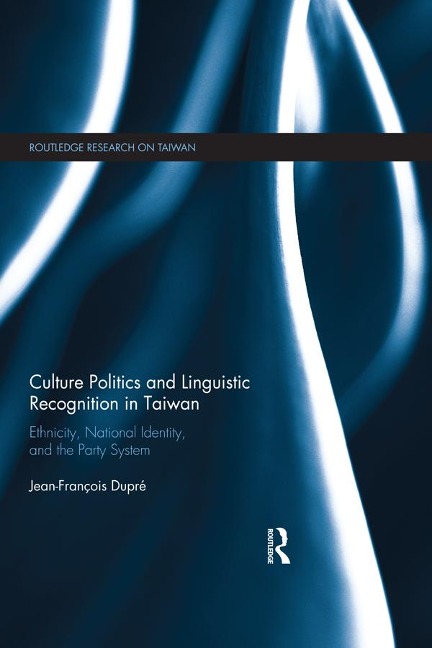
The consolidation of Taiwanese identity in recent years has been accompanied by two interrelated paradoxes: a continued language shift from local Taiwanese languages to Mandarin Chinese, and the increasing subordination of the Hoklo majority culture in ethnic policy and public identity discourses. A number of initiatives have been undertaken toward the revitalization and recognition of minority cultures. At the same time, however, the Hoklo majority culture has become akin to a political taboo. This book examines how the interplay of ethnicity, national identity and party politics has shaped current debates on national culture and linguistic recognition in Taiwan. It suggests that the ethnolinguistic distribution of the electorate has led parties to adopt distinctive strategies in an attempt to broaden their ethnic support bases. On the one hand, the DPP and the KMT have strived to play down their respective de-Sinicization and Sinicization ideologies, as well as their Hoklo and Chinese ethnocultural cores. At the same time, the parties have competed to portray themselves as the legitimate protectors of minority interests by promoting Hakka and Aboriginal cultures. These concomitant logics have discouraged parties from appealing to ethnonationalist rhetoric, prompting them to express their antagonistic ideologies of Taiwanese and Chinese nationalism through more liberal conceptions of language rights. Therefore, the book argues that constraints to cultural and linguistic recognition in Taiwan are shaped by political rather than cultural and sociolinguistic factors. Investigating Taiwan's counterintuitive ethnolinguistic situation, this book makes an important theoretical contribution to the literature to many fields of study and will appeal to scholars of Taiwanese politics, sociolinguistics, culture and history.
Jean-François Dupré is SSHRC Postdoctoral Fellow at the School of Political Studies, University of Ottawa.
1. Introduction 2. Conceptual and Analytical Framework 3. Culture and Identity Politics in Taiwan: a Historical Overview 4. The Politics of Taiwanization under Chen Shui-bian 5. Linguistic Identities at the Turn of the in 21st Century 6. The Politics of Linguistic Revitalization: Local Language Education and Standardization 7. The Politics of Linguistic Recognition 8. Culture Politics under Ma Ying-jeou's KMT: Re-Sinicizing Taiwanization? 9. Conclusion: Prospects for Culture Politics and Linguistic Recognition after 2016
Dieses eBook wird im PDF-Format geliefert und ist mit einem Adobe Kopierschutz (DRM) versehen. Sie können dieses eBook mit allen Geräten lesen, die das PDF-Format und den Adobe Kopierschutz (DRM) unterstützen.
Zum Beispiel mit den folgenden Geräten:
• tolino Reader
Laden Sie das eBook direkt über den Reader-Shop auf dem tolino herunter oder übertragen Sie das eBook auf Ihren tolino mit einer kostenlosen Software wie beispielsweise Adobe Digital Editions.
• Sony Reader & andere eBook Reader
Laden Sie das eBook direkt über den Reader-Shop herunter oder übertragen Sie das eBook mit der kostenlosen Software Sony READER FOR PC/Mac oder Adobe Digital Editions auf ein Standard-Lesegeräte mit epub- und Adobe DRM-Unterstützung.
• Tablets & Smartphones
Möchten Sie dieses eBook auf Ihrem Smartphone oder Tablet lesen, finden Sie hier unsere kostenlose Lese-App für iPhone/iPad und Android Smartphone/Tablets.
• PC & Mac
Lesen Sie das eBook direkt nach dem Herunterladen mit einer kostenlosen Lesesoftware, beispielsweise Adobe Digital Editions, Sony READER FOR PC/Mac oder direkt über Ihre eBook-Bibliothek in Ihrem Konto unter „Meine eBooks“ - „online lesen“.
Schalten Sie das eBook mit Ihrer persönlichen Adobe ID auf bis zu sechs Geräten gleichzeitig frei.
Bitte beachten Sie, dass die Kindle-Geräte das Format nicht unterstützen und dieses eBook somit nicht auf Kindle-Geräten lesbar ist.