Und dann auf "Zum Home-Bildschirm [+]".

Stöbern
genialokal zum Startbildschirm hinzufügen
Installieren Sie die genialokal App auf Ihrem Startbildschirm für einen schnellen Zugriff und eine komfortable Nutzung.
Installieren Sie die genialokal App auf Ihrem Startbildschirm für einen schnellen Zugriff und eine komfortable Nutzung.
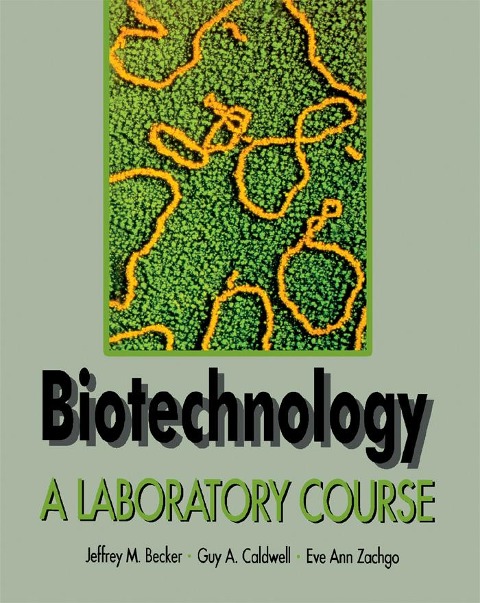
Biotechnology: A Laboratory Course is a series of laboratory exercises demonstrating the in-depth experience and understanding of selected methods, techniques, and instrumentation used in biotechnology. This manual is an outgrowth of an introductory laboratory course for senior undergraduate and first year graduate students in the biological sciences at The University of Tennessee. This book is composed of 19 chapters and begins with some introductory notes on record keeping and safety rules. The first exercises include pH measurement, the use of micropipettors and spectrophotometers, the concept of aseptic technique, and preparation of culture media. The subsequent exercises involve the application of the growth curve, the isolation, purification, and concentration of plasmid DNA from Escherichia coli, and the process of agarose gel electrophoresis. Other exercises include the preparation, purification, and hybridization of probe, the transformation of Saccharomyces cerevisiae, the transformation of E. coli by plasmid DNA, and the principles and applications of protein assays. The final exercises explore the ?-galactosidase assay and the purification and determination of ?-galactosidase in permeabilized yeast cells. This book is of great value to undergraduate biotechnology and molecular biology students.
PrefaceAcknowledgmentsSuggested Schedule for ExercisesIntroductory Notes Record Keeping and Safety Rules Format of Student Laboratory Records Ten Dos and Don'ts of Record Keeping Criteria for Grading the Laboratory Notebook Safety Rules in the LaboratoryExercise 1 Measurement of pHExercise 2 Use of Micropipettors and SpectrophotometersExercise 3 Aseptic Technique: Transferring a CultureExercise 4 Establishing a Pure Culture: The Streak PlateExercise 5 Preparation of Culture MediaExercise 6 The Growth CurveExercise 7 Isolation of Plasmid DNA from Escherichia Coli: The Mini-PrepExercise 8 Purification, Concentration, and Quantitation of DNAExercise 9 Isolation of Plasmid DNA: The Maxi-PrepExercise 10 Restriction Digestion and Agarose Gel ElectrophoresisExercise 11 Southern TransferExercise 12 Preparation, Purification, and Hybridization of ProbeExercise 13 Transformation of Saccharomyces cerevisiaeExercise 14 Transformation of Escherichia coli by Plasmid DNAExercise 15 Protein AssaysExercise 16 ß-Galactosidase AssayExercise 17 Determination of ß-Galactosidase in Permeabilized Yeast CellsExercise 18 Assay of ß-Galactosidase in Cell ExtractsExercise 19 ß-Galactosidase Purification Part A Gel Filtration Chromatography: Column Calibration Part - Ammonium Sulfate Salting-Out of ß-Galactosidase and Column Chromatography Part C Sodium Dodecyl Sulfate-Polyacrylamide Gel ElectrophoresisAppendix 1 Alternative Protocols and Experiments Exercise 6A Isolation and Characterization of Auxotrophic Yeast Mutants Exercise 9A Large-Scale Isolation of Plasmid DNA by Column Chromatography Exercise 12A Colony HybridizationAppendix 2 Buffer SolutionsAppendix 3 Preparation of Buffers and SolutionsAppendix 4 Properties of Some Common Concentrated Acids and BasesAppendix 5 Use of MicropipettorsAppendix 6 Safe Handling of MicroorganismsAppendix 7 List of CulturesAppendix 8 Storage of CulturesAppendix 9 Sterilization MethodsAppendix 10 Preparation of Stock Solutions for Culture MediaAppendix 11 Growth in Liquid MediumAppendix 12 Determination of Viable CellsAppendix 13 Determination of Cell MassAppendix 14 Determination of Cell NumberAppendix 15 Nomenclature of StrainsAppendix 16 Glassware and PlasticwareAppendix 17 Preparation of Tris and EDTAAppendix 18 Basic Rules for Handling EnzymesAppendix 19 Manufacturers' and Distributors' AddressesGlossaryIndex