Und dann auf "Zum Home-Bildschirm [+]".

Stöbern
genialokal zum Startbildschirm hinzufügen
Installieren Sie die genialokal App auf Ihrem Startbildschirm für einen schnellen Zugriff und eine komfortable Nutzung.
Installieren Sie die genialokal App auf Ihrem Startbildschirm für einen schnellen Zugriff und eine komfortable Nutzung.

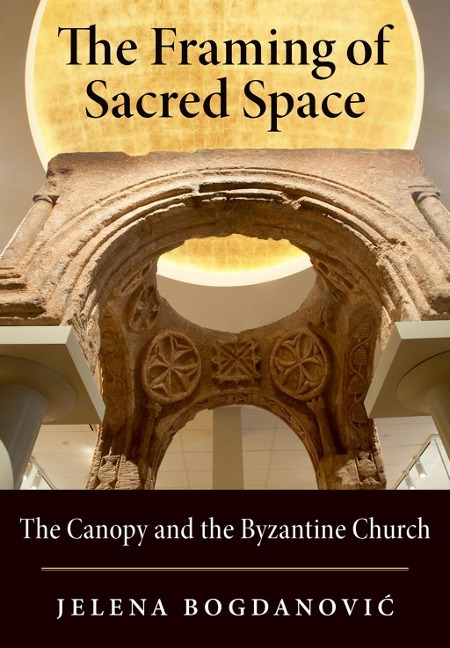
The Framing of Sacred Space offers the first topical study of canopies as essential spatial and symbolic units in Byzantine-rite churches. Centrally planned columnar structures--typically comprised of four columns and a roof--canopies had a critical role in the modular processes of church design, from actual church furnishings in the shape of a canopy to the church's structural core. As architectonic objects of basic structural and design integrity, canopies integrate an archetypical image of architecture and provide means for an innovative understanding of the materialization of the idea of the Byzantine church and its multi-focal spatial presence. The Framing of Sacred Space considers both the material and conceptual framing of sacred space and explains how the canopy bridges the physical and transcendental realms. As a crucial element of church design in the Byzantine world, a world that gradually abandoned the basilica as a typical building of Roman imperial secular architecture, the canopy carried tectonic and theological meanings and, through vaulted, canopied bays and recognizable Byzantine domed churches, established organic architectural, symbolic, and sacred ties between the Old and New Covenants. In such an overarching context, the canopy becomes an architectural parti, a vital concept and dynamic design principle that carries the essence of the Byzantine church. The Framing of Sacred Space highlights significant factors in understanding canopies through specific architectural settings and the Byzantine concepts of space, thus also contributing to larger debates about the creation of sacred space and related architectural taxonomy.
Jelena Bogdanovic is Associate Professor of Architecture at Iowa State University. Trained as an architect and an historian of art and architecture, she specializes in the architectural history of Byzantine, Slavic, Western European, and Islamic cultures in the Balkans and the Mediterranean.
Acknowledgements Notes on sources, translations, and illustrations List of abbreviations List of tables List of illustrations Maps Introduction Chapter 1: Ciborium or Canopy? Textual Evidence on Canopies in the Byzantine Church Chapter 2: Canopies in the Byzantine Church: Archaeological and Architectural Evidence Chapter 3: Place-Making: The Place of the Canopy within the Church Chapter 4: The Micro-Architectural Framing of Sacred Space Chapter 5: Nested in its Own Shape: The Canopy and the Byzantine Church Conclusions Appendices Tables Bibliography Index