Und dann auf "Zum Home-Bildschirm [+]".

Stöbern
genialokal zum Startbildschirm hinzufügen
Installieren Sie die genialokal App auf Ihrem Startbildschirm für einen schnellen Zugriff und eine komfortable Nutzung.
Installieren Sie die genialokal App auf Ihrem Startbildschirm für einen schnellen Zugriff und eine komfortable Nutzung.
Ihr gewünschter Artikel ist in 0 Buchhandlungen vorrätig - wählen Sie hier eine Buchhandlung in Ihrer Nähe aus:

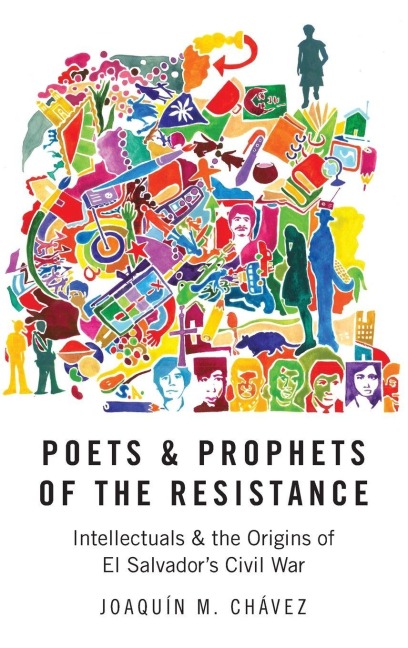
Poets and Prophets of the Resistance offers a ground-up history and fresh interpretation of the polarization and mobilization that brought El Salvador to the eve of civil war in 1980. Challenging the dominant narrative that university students and political dissidents primarily formed the Salvadoran guerrillas, Joaqu�n Ch�vez argues that El Salvador's socioeconomic and political crises of the 1970s fomented a groundswell of urban and peasant intellectuals who collaborated to spur larger revolutionary social movements. Drawing on new archival sources and in-depth interviews, Poets and Prophets of the Resistance contests the idea that urban militants and Roman Catholic priests influenced by Liberation Theology single-handedly organized and politicized peasant groups. Ch�vez shows instead how peasant intellectuals acted as political catalysts among their own communities first, particularly in the region of Chalatenango, laying the groundwork for the peasant movements that were to come. In this way, he contends, the Salvadoran insurgency emerged in a dialogue between urban and peasant intellectuals working together to create and execute a common revolutionary strategy--one that drew on cultures of resistance deeply rooted in the country's history, poetry, and religion. Focusing on this cross-pollination, this book introduces the idea that a "pedagogy of revolution" originated in this historical alliance between urban and peasant, making use of secular and Catholic pedagogies such as radio schools, literacy programs, and rural cooperatives. This pedagogy became more and more radicalized over time as it pushed back against the increasingly repressive structures of 1970s El Salvador. Teasing out the roles of little-known groups such as the politically active "La Masacuata" literary movement, the contributions of Catholic Action intellectuals to the New Left, and the overlooked efforts of peasant leaders, Poets and Prophets of the Resistance demonstrates how trans-class political and cultural interactions drove the revolutionary mobilizations that anticipated the Salvadoran civil war.
Joaquín M. Chávez is Assistant Professor of History at the University of Illinois at Chicago.
Acknowledgments
Introduction: Intellectuals of the Resistance
Chapter One: Dreaming of Reform
Chapter Two: University Apostles
Chapter Three: Peasant Intellectuals in Chalatenango
Chapter Four: La Masacuata's War
Chapter Five: The Making of the Internal Enemy
Chapter Six: Insurgent Intellectuals
Chapter Seven: Crisis and Rural Insurgency
Conclusion: From Resistance to War
Acronyms
Diagrams
Notes
Bibliography
Index