Und dann auf "Zum Home-Bildschirm [+]".

Stöbern
genialokal zum Startbildschirm hinzufügen
Installieren Sie die genialokal App auf Ihrem Startbildschirm für einen schnellen Zugriff und eine komfortable Nutzung.
Installieren Sie die genialokal App auf Ihrem Startbildschirm für einen schnellen Zugriff und eine komfortable Nutzung.

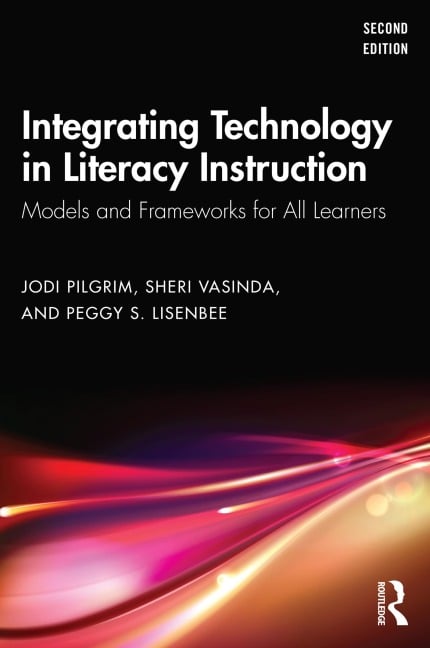
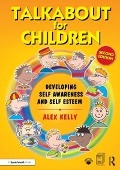
In the second edition, this text has been updated to address changing literacies surrounding students and the continued importance of effective communication using technology tools in K-12 classrooms. Technology has the power and potential to transform teaching and learning in classrooms and to promote active learning, interaction, and engagement through readily available tools and applications. While both technologies and research in literacy education rapidly evolve, this book presents lasting frameworks for teachers to effectively evaluate and implement digital tools to enhance classroom literacies and learning. Through the lens of Universal Design for Learning (UDL), this text equips educators to develop inclusive learning environments that support the needs and desires of all literacy learners through the integration of technology and literacy instruction. This text presents a range of current models and frameworks, including SAMR, RAT, PICRAT, T3, TPACK, TIPC, and EMSCI. The new edition of this book has been updated to include: - Alignment with ISTE standards in each chapter - Updates from the 2024 UDL Guidelines 3.0 - Updates from the most recent 2024 National Educational Technology Plan - Updated technology applications, including AI and its impact - Tools for teaching through remote and distance learning Each chapter includes prompts for reflection and discussion to encourage readers to consider ways literacy and technology can enable teachers to become agents of change. This book will be especially beneficial for pre-service undergraduate and graduate teacher candidates, as well as ISTE certified educators and those seeking certification.
Jodi Pilgrim is a professor and associate dean in the College of Education at the University of Mary Hardin-Baylor (UMHB). Sheri Vasinda is a professor in the School of Teaching, Learning and Educational Sciences at Oklahoma State University. Peggy S. Lisenbee is an associate professor in the Division of Early Childhood Education at Texas Woman's University.
Introduction Section 1: Foundations for Thinking About Literacy 1. Literacy in a Changing World 2. Multiliteracies: Theory and Pedagogy that Reflect a Changing World 3. Universal Design for Learning Within a Multiliteracies Perspective Section 2: Frameworks for Thinking About Technology Integration 4. Technology-Influenced Frameworks for Thinking about Literacy Instruction 5. Evaluation of Technology Integration: Technology-Influenced Taxonomies. Section 3: Applications for Classroom Instruction 6. Digital Literacy Applications: Web 2.0 and the 4Cs 7. Navigating the Wild Wide Web: Online Reading and Research 8. Evolving Learning Environments: Transformational Practices 9. Lesson Design: The Teacher as the Architect