Und dann auf "Zum Home-Bildschirm [+]".

Stöbern
genialokal zum Startbildschirm hinzufügen
Installieren Sie die genialokal App auf Ihrem Startbildschirm für einen schnellen Zugriff und eine komfortable Nutzung.
Installieren Sie die genialokal App auf Ihrem Startbildschirm für einen schnellen Zugriff und eine komfortable Nutzung.
Ihr gewünschter Artikel ist in 0 Buchhandlungen vorrätig - wählen Sie hier eine Buchhandlung in Ihrer Nähe aus:

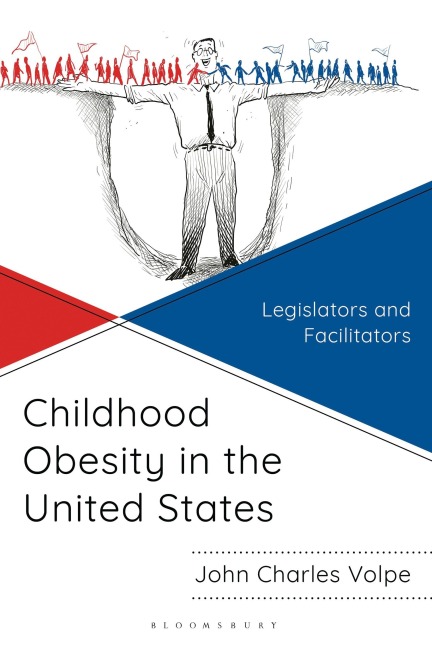
Childhood Obesity in the United States: Legislators and Facilitators examines barriers to childhood obesity legislation and public policy in the U.S., with a focus on competing value priorities and how they can create conflict in the legislative process. Childhood obesity advocates need to incorporate value narratives and conflicting value priorities into their research and future childhood obesity proposals. Value priorities are an essential, often overlooked, element in the legislative decision-making process, whether for their intrinsic value or for some tangible benefit such as reelection or appeasing special interests. However, childhood obesity is not the only public issue legislators aim to address, and other external policy actors play a part in what is a priority on the agenda.
John Charles Volpe argues that childhood obesity and the legislative process are too complex to overcome current barriers to childhood obesity legislation and policy anytime soon. A significant shift in cultural and behavioral norms is necessary in the U.S., but achieving this will be challenging without adequate governmental support. Advocacy efforts should shift focus onto industry practices such as marketing and campaign contributions, a modified educational system, mandating minimums, emphasizing measurement and evaluation, and incorporating game playing into the physical education curriculum.
John Charles Volpe, USA
Introduction Part I: Prevalence, Etiology, Health Effects, Economic Costs Chapter 1: Prevalence Chapter 2: Etiology Genetics Environmental Factors Media, Marketing, and Advertising Behavioral Factors Psychological Factors Chapter 3: Health and Economic Effects Part II: Legislative Barriers and Facilitators to Childhood Obesity Legislation Chapter 4: Barriers and Facilitators to Childhood Obesity Legislation: Objective and Subjective Overlap External Barriers and Facilitators to Childhood Obesity Legislation Internal Barriers Or Facilitators to Childhood Obesity Legislation Part III: Common Value Priorities and Ideologies That Create Conflict Chapter 5: Individual Values and Political Ideology Applied to Childhood Obesity Individual Values Civil Liberties & Rights Political Ideological Conflict Value Trade-Offs Part IV: The Industry Issue and Tobacco Similarities Chapter 6: The Industry Issue Banned Food Additives and Other Harmful Ingredients Dietary Guidelines For Americans and Industry Hypothetical Case Example General Lobbying Efforts Tobacco Industry Similarities Part V: Effectiveness Of Current Federal and State Legislation, Policies, and Programs Chapter 7: Federal and State Policies and Programs Federal Legislation, Policies, and Programs State Legislation, Policies, and Programs Part VI: Recommendations and Concluding Remarks Chapter 8: Overcoming Legislative Barriers U.S. States Policy Tables: Tfah 2024 Limitations Of Current Government Policies and Programs Chapter 9: Recommendations Recommendation I: Public Advocacy and Targeting Industry John F. Kennedy's Vision Recommendation Ii: Modify The Educational System Recommendation Iii: Evaluation and Enforcement Recommendation Iv: Incorporate Gamification Into Physical Education Conclusion