Und dann auf "Zum Home-Bildschirm [+]".

Stöbern
genialokal zum Startbildschirm hinzufügen
Installieren Sie die genialokal App auf Ihrem Startbildschirm für einen schnellen Zugriff und eine komfortable Nutzung.
Installieren Sie die genialokal App auf Ihrem Startbildschirm für einen schnellen Zugriff und eine komfortable Nutzung.
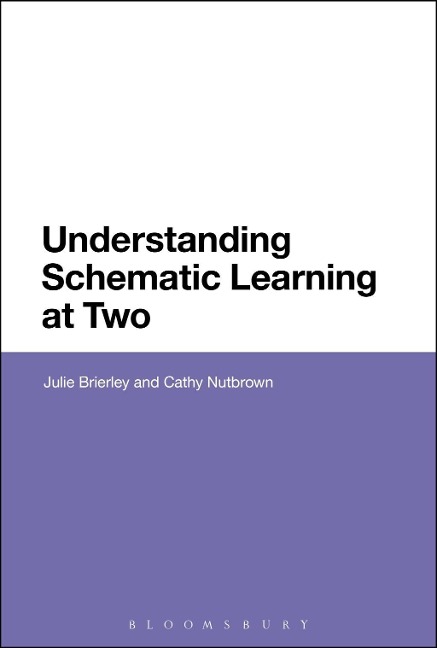
Providing a deeper understanding of how two-year-old children learn, Understanding Schematic Learning at Two highlights how a schematic pedagogy can be used to recognise and support two-year-old children's thinking and understanding of the world around them. Over a 16-week period four children's individual experiences and stories are constructed, providing detailed written and photographic evidence of the unfolding schematic learning journeys of each. Following the children from nursery setting to their home environments, readers gain a greater understanding of how, even at such a young age, children are intrinsically motivated to select resources from the environment to support their schematic pursuits. The book focuses on the importance of an appropriate environment and informed pedagogy to support two-year-old children's schematic explorations and the significant role adults play in developing these.
Beginning by highlighting the important links between learning opportunities, environment and the role of the adults, Brierley and Nutbrown briefly trace the origins of schema and provide an overview of some definitions and characteristics of schemas. This leads to an exploration of how the early years landscape has been influenced through a research, practice and government policy initiatives, concluding that future focus must foreground how children learn. Understanding Schematic Learning at Two highlights how recognising and valuing young children's schemas can provide their supportive adults with the opportunity and ability to acknowledge two-year-old children's capability to actively construct and develop an understanding of the world they live in.
Julie Brierley is Lecturer in Early Years in the School of Education at the University of Hull, UK.
Cathy Nutbrown is Professor and Director of Early Childhood Education in The School of Education at The University of Sheffield, UK.
List of Figures
About the Authors
Acknowledgements
Introduction
Part I: The Early Years: Research, Policy and Theory
1. Young Children as Actors in Their Own Learning
2. Schema Theory
3. Early Years Policies and Early Childhood Pedagogies
4. The Cultural Nuances of Families' Lives
Part II: The Stories of Four Young Children's Schematic Explorations within Their Lived Experiences
5. Containing and Dynamic Vertical Trajectory Schema: Abby's Story
6. Dynamic Back and Forth, Containing and Enveloping Schemas: Hannah's Story
7. Containing, Enveloping and Transporting Schemas: Emily's Story
8. Going Around and Through a Boundary Schema: George's Story
Concluding Thoughts
References
Author Index
Subject Index
Dieses eBook wird im PDF-Format geliefert und ist mit einem Adobe Kopierschutz (DRM) versehen. Sie können dieses eBook mit allen Geräten lesen, die das PDF-Format und den Adobe Kopierschutz (DRM) unterstützen.
Zum Beispiel mit den folgenden Geräten:
• tolino Reader
Laden Sie das eBook direkt über den Reader-Shop auf dem tolino herunter oder übertragen Sie das eBook auf Ihren tolino mit einer kostenlosen Software wie beispielsweise Adobe Digital Editions.
• Sony Reader & andere eBook Reader
Laden Sie das eBook direkt über den Reader-Shop herunter oder übertragen Sie das eBook mit der kostenlosen Software Sony READER FOR PC/Mac oder Adobe Digital Editions auf ein Standard-Lesegeräte mit epub- und Adobe DRM-Unterstützung.
• Tablets & Smartphones
Möchten Sie dieses eBook auf Ihrem Smartphone oder Tablet lesen, finden Sie hier unsere kostenlose Lese-App für iPhone/iPad und Android Smartphone/Tablets.
• PC & Mac
Lesen Sie das eBook direkt nach dem Herunterladen mit einer kostenlosen Lesesoftware, beispielsweise Adobe Digital Editions, Sony READER FOR PC/Mac oder direkt über Ihre eBook-Bibliothek in Ihrem Konto unter „Meine eBooks“ - „online lesen“.
Schalten Sie das eBook mit Ihrer persönlichen Adobe ID auf bis zu sechs Geräten gleichzeitig frei.
Bitte beachten Sie, dass die Kindle-Geräte das Format nicht unterstützen und dieses eBook somit nicht auf Kindle-Geräten lesbar ist.