Und dann auf "Zum Home-Bildschirm [+]".

Stöbern
genialokal zum Startbildschirm hinzufügen
Installieren Sie die genialokal App auf Ihrem Startbildschirm für einen schnellen Zugriff und eine komfortable Nutzung.
Installieren Sie die genialokal App auf Ihrem Startbildschirm für einen schnellen Zugriff und eine komfortable Nutzung.
Ihr gewünschter Artikel ist in 0 Buchhandlungen vorrätig - wählen Sie hier eine Buchhandlung in Ihrer Nähe aus:

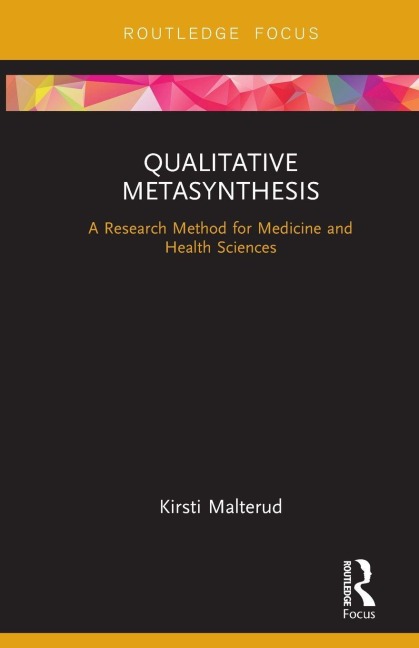
Qualitative Metasynthesis presents a research method developed for upcycling and synthesis of qualitative primary studies, aimed at researchers within medicine and health sciences.
Kirsti Malterud, MD PhD, was a general practitioner for 35 years, combined with academic work as a researcher at Uni Research/NORCE Research Centre and a Professor of General Practice at the University of Bergen, Norway. Her list of research publications is extensive, with empirical studies about vulnerable groups of patients as well as methodological contributions on qualitative research methods.
- Utilization and upcycling of existing research knowledge We do not have to start from scratch Qualitative studies - an open mind, but no blank slates Research waste or exploiting knowledge capital? Recycling, upcycling and sustainable management of knowledge resources What will this book offer you? The role of the nursing home doctor in end-of-life care - a concrete example From chaos and individual research reports to systematic reviews Comprehensive and critical reading of the research literature The information deluge Broad mapping Systematic reviews - a specific kind of research literature summary Evidence from research results Multipurpose knowledge capital Evidence-based medicine Different research questions require different evidence from relevant methodologies From summary and renarration to interpretation and synthesis Descriptive, interpretative or both? Meta-analysis Qualitative metasynthesis Which kinds of research questions can be studied with qualitative metasynthesis? - Project planning and literature management Careful preparations are profitable investments Summing up research - a stepwise process A research question that is both flexible and determined Choosing a strategy The protocol 24 Registration of the project Literature search Overview and steady course Search strategy Search terms in logical combinations Search sources and databases Grey literature Language Before you set off seriously Screening and selection of potentially relevant primary studies Reference management Systematic screening and rough classification Reading candidate articles in depth with quality assessment Supplementary search What characterizes your sample? Flowsheet for search and selection Hallmarks of the primary studies Identification of results from the primary studies Organizing the material from data extraction - Analysis and synthesis Interpretation of the results from the primary studies Synthesis is more than summary and renarration Levels of interpretation - concepts of first, second and third orders Different strategies for metasynthesis Meta-ethnography Background Metaphors and translations Analytical perspectives Strategy for analysis - seven steps The matrix as a tool for analysis A specific example of analysis and synthesis Contemporary meta-ethnography Other methods for qualitative metasynthesis Critical interpretive synthesis Thematic synthesis Realist synthesis Reporting your study - writing the article Elements in the article Method, material and analysis Synthesis and results Transparency in reporting qualitative metasyntheses - Theoretical and methodological challenges Qualitative methods encounter evidence-based medicine Scientific paradigms Common features, differences and opposites Social anthropology and metasynthesis A complete and independent literature review? Situated knowledges Cherry picking Finding the needle in the haystack Independent appraisals or bias? Which evidence is the best evidence? The evidence hierarchy A universal gold standard? Grading of evidence New pyramids Diversity or standardization of knowledge Merging apples and oranges - the synthesis of heterogeneous data Sustainable evidence Three steps forward and two steps back Grading of qualitative metasynthesis Mixed methods and qualitative metasynthesis Qualitative and quantitative methods in the same study Multi-methodological exploration of complex research questions Qualitative metasynthesis with mixed methods Synthesis of qualitative primary studies with different designs - Final comments Ethics and privacy protection Regulations and approvals Distance as a challenge Contributing something new What do you need to conduct a qualitative metasynthesis? Competence and experience Relevant primary studies with useful presentations of results Resources and personal traits Set off! You are not alone Newer and more exciting Wheat or chaff? Sustainable competence - new opportunities for collaboration References Index