Und dann auf "Zum Home-Bildschirm [+]".

Stöbern
genialokal zum Startbildschirm hinzufügen
Installieren Sie die genialokal App auf Ihrem Startbildschirm für einen schnellen Zugriff und eine komfortable Nutzung.
Installieren Sie die genialokal App auf Ihrem Startbildschirm für einen schnellen Zugriff und eine komfortable Nutzung.
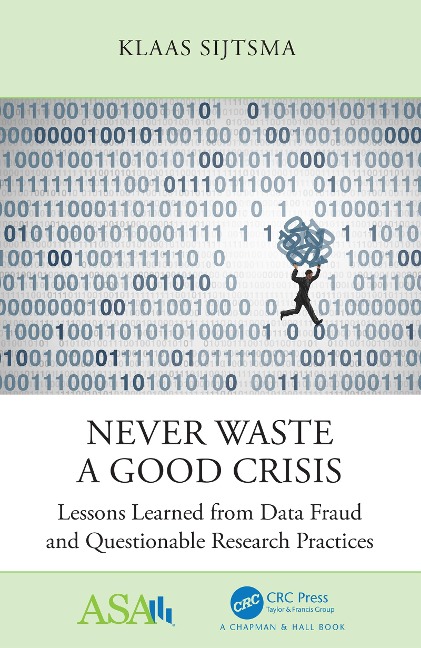
This book covers statistical consequences of breaches of research integrity such as fabrication and falsification of data, and researcher glitches summarized as questionable research practices. It is unique in that it discusses how unwarranted data manipulation harms research results and that questionable research practices are often caused by researchers' inadequate mastery of the statistical methods and procedures they use for their data analysis. The author's solution to prevent problems concerning the trustworthiness of research results, no matter how they originated, is to publish data in publicly available repositories and encourage researchers not trained as statisticians not to overestimate their statistical skills and resort to professional support from statisticians or methodologists. The author discusses some of his experiences concerning mutual trust, fear of repercussions, and the bystander effect as conditions limiting revelation of colleagues' possible integrity breaches. He explains why people are unable to mimic real data and why data fabrication using statistical models stills falls short of credibility. Confirmatory and exploratory research and the usefulness of preregistration, and the counter-intuitivenature of statistics, are discussed. The author questions the usefulness of statistical advice concerning frequentist hypothesis testing, Bayes-factor use, alternative statistics education, and reduction of situational disturbances like performance pressure, as stand-alone means to reduce questionable research practices when researchers lack experience with statistics. An interview with the author can be found here: https://www.tilburguniversity.edu/magazine/overview/former-rector-sijtsma-turn-statistician-fight-fraud-and-sloppiness.
Klaas Sijtsma is an emeritus professor of methods and techniques of psychological research at Tilburg University. He is also a former dean of a school suffering from a huge data fraud affair by one of its eminent professors, which he had to cope with during his term. Being both an applied statistician and an experienced administrator having to deal with serious breaches of scientific integrity gave him a unique perspective on the problems discussed in this book. He gave many lectures on the topic and authored several publications. This book summarizes his views. In addition, he has published more than 200 papers and book chapters on statistical topics and coauthored three books on measurement of psychological attributes such as intelligence, personality traits, and attitudes. At present, he is co-chair of the Committee on Research Integrity of Erasmus University Rotterdam.
1. Why this book? 2. Fraud and Questionable Research Practices 3. Learning from Data Fraud 4. Investigating Data Fabrication and Falsification 5. Confirmation and Exploration 6. Causes of Questionable Research Practices 7. Reducing Questionable Research Practices
Dieses eBook wird im PDF-Format geliefert und ist mit einem Adobe Kopierschutz (DRM) versehen. Sie können dieses eBook mit allen Geräten lesen, die das PDF-Format und den Adobe Kopierschutz (DRM) unterstützen.
Zum Beispiel mit den folgenden Geräten:
• tolino Reader
Laden Sie das eBook direkt über den Reader-Shop auf dem tolino herunter oder übertragen Sie das eBook auf Ihren tolino mit einer kostenlosen Software wie beispielsweise Adobe Digital Editions.
• Sony Reader & andere eBook Reader
Laden Sie das eBook direkt über den Reader-Shop herunter oder übertragen Sie das eBook mit der kostenlosen Software Sony READER FOR PC/Mac oder Adobe Digital Editions auf ein Standard-Lesegeräte mit epub- und Adobe DRM-Unterstützung.
• Tablets & Smartphones
Möchten Sie dieses eBook auf Ihrem Smartphone oder Tablet lesen, finden Sie hier unsere kostenlose Lese-App für iPhone/iPad und Android Smartphone/Tablets.
• PC & Mac
Lesen Sie das eBook direkt nach dem Herunterladen mit einer kostenlosen Lesesoftware, beispielsweise Adobe Digital Editions, Sony READER FOR PC/Mac oder direkt über Ihre eBook-Bibliothek in Ihrem Konto unter „Meine eBooks“ - „online lesen“.
Schalten Sie das eBook mit Ihrer persönlichen Adobe ID auf bis zu sechs Geräten gleichzeitig frei.
Bitte beachten Sie, dass die Kindle-Geräte das Format nicht unterstützen und dieses eBook somit nicht auf Kindle-Geräten lesbar ist.