Und dann auf "Zum Home-Bildschirm [+]".

Stöbern
genialokal zum Startbildschirm hinzufügen
Installieren Sie die genialokal App auf Ihrem Startbildschirm für einen schnellen Zugriff und eine komfortable Nutzung.
Installieren Sie die genialokal App auf Ihrem Startbildschirm für einen schnellen Zugriff und eine komfortable Nutzung.
Ihr gewünschter Artikel ist in 0 Buchhandlungen vorrätig - wählen Sie hier eine Buchhandlung in Ihrer Nähe aus:

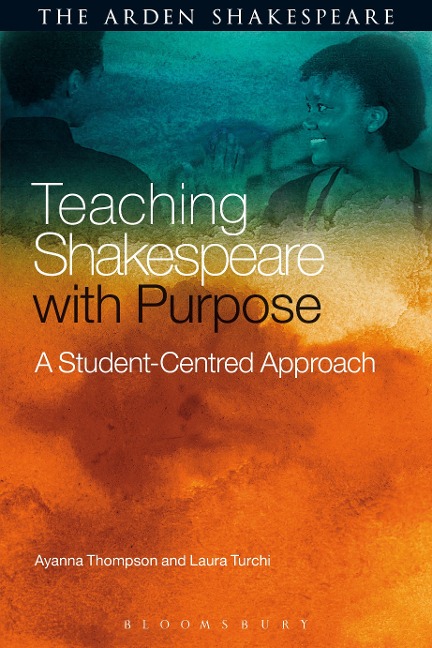
What does it mean to teach Shakespeare with purpose? It means freeing teachers from the notion that teaching Shakespeare means teaching everything, or teaching "Western Civilisation" and universal themes. Instead, this invigorating new book equips teachers to enable student-centred discovery of these complex texts. Because Shakespeare's plays are excellent vehicles for many topics -history, socio-cultural norms and mores, vocabulary, rhetoric, literary tropes and terminology, performance history, performance strategies - it is tempting to teach his plays as though they are good for teaching everything. This lens-free approach, however, often centres the classroom on the teacher as the expert and renders Shakespeare's plays as fixed, determined, and dead. Teaching Shakespeare with Purpose shows teachers how to approach Shakespeare's works as vehicles for collaborative exploration, to develop intentional frames for discovery, and to release the texts from over-determined interpretations. In other words, this book presents how to teach Shakespeare's plays as living, breathing, and evolving texts.
Ayanna Thompson is Regents Professor of English at Arizona State University, USA. She is the author of Blackface (Bloomsbury, 2021), Shakespeare in the Theatre: Peter Sellars (The Arden Shakespeare, 2018), Teaching Shakespeare with Purpose: A Student-Centred Approach (The Arden Shakespeare, 2016), Passing Strange: Shakespeare, Race, and Contemporary America (2011) and Performing Race and Torture on the Early Modern Stage (2008).
Chapter One: Introduction: The Realities of the 21st Century Chapter Two: Finding Your Purpose and Putting It into Action: Framing Chapter Three: 'Ancient English': Shakespeare's Language Chapter Four: Embodiment: What Is It (Not)? Chapter Five: History: What Time Are You Thinking About? Chapter Six: Writing Assignments with a Purpose Chapter Seven: Assessment with a Purpose Chapter Eight: The Tyranny of Resources Bibliography Index