Und dann auf "Zum Home-Bildschirm [+]".

Stöbern
genialokal zum Startbildschirm hinzufügen
Installieren Sie die genialokal App auf Ihrem Startbildschirm für einen schnellen Zugriff und eine komfortable Nutzung.
Installieren Sie die genialokal App auf Ihrem Startbildschirm für einen schnellen Zugriff und eine komfortable Nutzung.
Ihr gewünschter Artikel ist in 0 Buchhandlungen vorrätig - wählen Sie hier eine Buchhandlung in Ihrer Nähe aus:

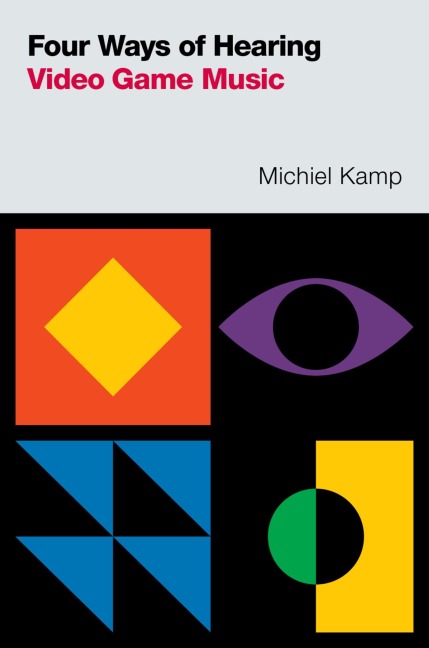
Four Ways of Hearing Video Game Music offers a phenomenological approach to music in video games. Drawing on past phenomenological approaches to music as well as studies of music listening in a variety of disciplines such as aesthetics and ecological psychology, author Michiel Kamp explains four main ways of hearing the same piece of music--through background, aesthetic, ludic, and semiotic hearing.
Michiel Kamp is Assistant Professor of Musicology at Utrecht University, where he teaches on music and audio-visual media. He is co-founder of the UK-based Ludomusicology Research Group, which has organised yearly conferences on video game music in the UK and abroad since 2011. His research centres on video game music and other screen media, with a particular interest in phenomenologies and hermeneutics of listening.
Acknowledgements
About the companion website
Introduction: towards a phenomenology of video game music
Poietic and aesthesic approaches
Game design strategies and gameplay tactics
Ways of hearing
Phenomenology as an approach to video game music
Whose phenomenology?
1. Background music
Case study: StarCraft
Background music as ground
Background music as mood or atmosphere
Background music as affordance
Background music as equipment
Conclusions
2. Aesthetic music
Case study: Minecraft
Having an aesthetic experience
Nostalgic hearing
Hearing beauty in virtual nature
Authored musical moments
Aesthetic listening as interpretation
Conclusions
3. Ludic Music
Affect, or "doing this really fast is fun"
Case study: Proteus
Inward dancing and embodied listening
Music games, synaesthesia, and glee
Musical movement and emotional context
Conclusions
4. Semiotic music
Case study: Left 4 Dead
Musical signs
Musical symbols
Musical signals and anticipation
Broken and unestablished signs
Conclusions
Conclusion
Hearing video game music in context
Other ways of hearing
A final word on hermeneutics
Bibliography
Index