Und dann auf "Zum Home-Bildschirm [+]".

Stöbern
genialokal zum Startbildschirm hinzufügen
Installieren Sie die genialokal App auf Ihrem Startbildschirm für einen schnellen Zugriff und eine komfortable Nutzung.
Installieren Sie die genialokal App auf Ihrem Startbildschirm für einen schnellen Zugriff und eine komfortable Nutzung.

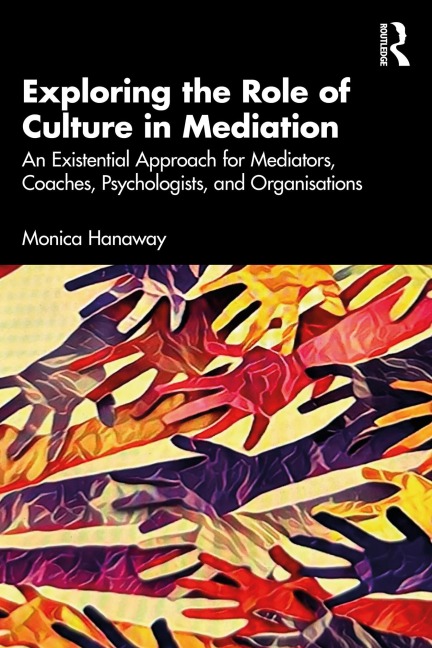
This new book explores the historical development of mediation (conflict resolution) from a cultural and existential perspective, and considers the cultural challenges involved for a mediator. The author, Monica Hanaway, has been mediating disputes across cultures for several years. She sets the scene for exploring the role culture plays in conflict and its resolution by explaining what mediation is and what we understand by the word 'culture'. From there she explores what mediators need to keep in mind when considering culture in the context of mediation. Within this, she covers such topics as the merits of using interpreters, and the pros and cons of using mediators from the same culture as the disputants. The final section of the book comments on what mediation professional and training bodies need to do to raise the profile of the cultural aspects in conflict. Written by an experienced practitioner, Exploring the Role of Culture in Mediation will be of particular interest to all mediators, coaches, and psychologists, those interested in applying philosophy to resolving conflict, and those considering mediation.
Monica Hanaway is a mediator, mediation trainer, executive and leadership coach and consultant, and an existential psychotherapist. She is the author of several books on mediation, coaching, and leadership, and regularly speaks on these topics at international conferences. She mediates a variety of disputes including in the corporate sector, across gangs, and in families. She runs regular courses on mediation, coaching, and leadership. She passionately believes that an understanding of existential and phenomenological philosophy has much to offer on a practical basis on how we navigate life in these uncertain times.
PART ONE: Overview of What We Understand by 'Mediation' and 'Culture' Introduction 1. Mediation Today 2. Different Mediation Styles 3. The Mediation Process PART TWO: Psychologically Informed Mediation Using an Existential- Phenomenological Approach 4. Why a Psychologically Informed Approach is needed in all mediation but particularly in culturally sensitive disputes 5. Key relevant existential concepts for mediation 6. Existential Dimensions 7. Key relevant phenomenological concepts for mediation 8. The process of psychologically informed mediation PART THREE: Bringing Together Thoughts on Culture and Mediation, Exploring the Issues for Mediators and the Need for Change 9. What is 'Culture'? 10.Cultural History of Mediation 11. Current Responses to the Use of Mediation 12. Key Considerations and Skills for Working with Cultural Difference 13. Considerations and Implications for the Mediation Profession CONCLUSION - To return to the Existential and Phenomenological