Und dann auf "Zum Home-Bildschirm [+]".

Stöbern
genialokal zum Startbildschirm hinzufügen
Installieren Sie die genialokal App auf Ihrem Startbildschirm für einen schnellen Zugriff und eine komfortable Nutzung.
Installieren Sie die genialokal App auf Ihrem Startbildschirm für einen schnellen Zugriff und eine komfortable Nutzung.
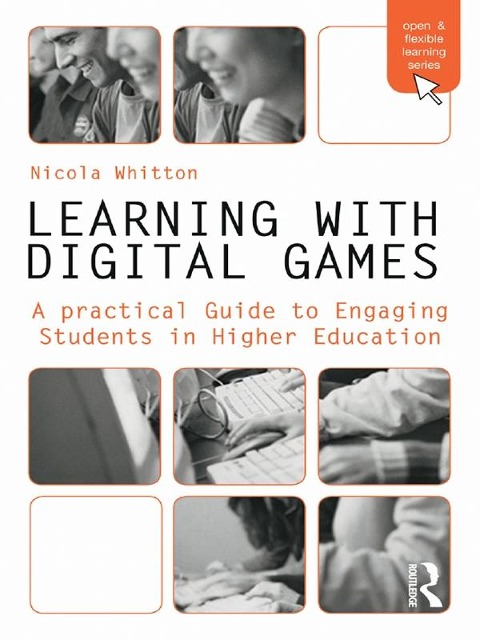
Written for Higher Education teaching and learning professionals, Learning with Digital Games provides an accessible, straightforward introduction to the field of computer game-based learning. Up to date with current trends and the changing learning needs of today's students, this text offers friendly guidance, and is unique in its focus on post-school education and its pragmatic view of the use of computer games with adults. Learning with Digital Games enables readers to quickly grasp practical and technological concepts, using examples that can easily be applied to their own teaching. The book assumes no prior technical knowledge but guides the reader step-by-step through the theoretical, practical and technical considerations of using digital games for learning. Activities throughout guide the reader through the process of designing a game for their own practice, and the book also offers: A toolkit of guidelines, templates and checklists. Concrete examples of different types of game-based learning using six case studies. Examples of games that show active and experiential learning Practical examples of educational game design and development. This professional guide upholds the sound reputation of the Open and Flexible Learning series, is grounded in theory and closely links examples from practice. Higher Education academics, e-learning practitioners, developers and training professionals at all technical skill levels and experience will find this text is the perfect resource for explaining "how to" integrate computer games into their teaching practice. A companion website is available and provides up-to-date technological information, additional resources and further examples.
Nicola Whitton is a Research Fellow in the Education and Social Research Institute at Manchester Metropolitan University.
1. Introduction Part I: Theory 2. Recognizing the Characteristics of Digital Games 3. Understanding the Pedagogy of Digital Games 4. Identifying Types of Digital Games for Learning Part II: Practice 5. Integrating Digital Games into the Curriculum 6. Designing a Digital Game for Learning 7. Assessing the Impact of Digital Games on Learning Part III: Technology 8. Using Existing Digital Games for Learning 9. Developing New Digital Games for Learning 10. Evaluating Digital Games for Learning 11. Case Studies 12. Conclusions Glossary References Index
Dieses eBook wird im PDF-Format geliefert und ist mit einem Adobe Kopierschutz (DRM) versehen. Sie können dieses eBook mit allen Geräten lesen, die das PDF-Format und den Adobe Kopierschutz (DRM) unterstützen.
Zum Beispiel mit den folgenden Geräten:
• tolino Reader
Laden Sie das eBook direkt über den Reader-Shop auf dem tolino herunter oder übertragen Sie das eBook auf Ihren tolino mit einer kostenlosen Software wie beispielsweise Adobe Digital Editions.
• Sony Reader & andere eBook Reader
Laden Sie das eBook direkt über den Reader-Shop herunter oder übertragen Sie das eBook mit der kostenlosen Software Sony READER FOR PC/Mac oder Adobe Digital Editions auf ein Standard-Lesegeräte mit epub- und Adobe DRM-Unterstützung.
• Tablets & Smartphones
Möchten Sie dieses eBook auf Ihrem Smartphone oder Tablet lesen, finden Sie hier unsere kostenlose Lese-App für iPhone/iPad und Android Smartphone/Tablets.
• PC & Mac
Lesen Sie das eBook direkt nach dem Herunterladen mit einer kostenlosen Lesesoftware, beispielsweise Adobe Digital Editions, Sony READER FOR PC/Mac oder direkt über Ihre eBook-Bibliothek in Ihrem Konto unter „Meine eBooks“ - „online lesen“.
Schalten Sie das eBook mit Ihrer persönlichen Adobe ID auf bis zu sechs Geräten gleichzeitig frei.
Bitte beachten Sie, dass die Kindle-Geräte das Format nicht unterstützen und dieses eBook somit nicht auf Kindle-Geräten lesbar ist.