Und dann auf "Zum Home-Bildschirm [+]".

Stöbern
genialokal zum Startbildschirm hinzufügen
Installieren Sie die genialokal App auf Ihrem Startbildschirm für einen schnellen Zugriff und eine komfortable Nutzung.
Installieren Sie die genialokal App auf Ihrem Startbildschirm für einen schnellen Zugriff und eine komfortable Nutzung.
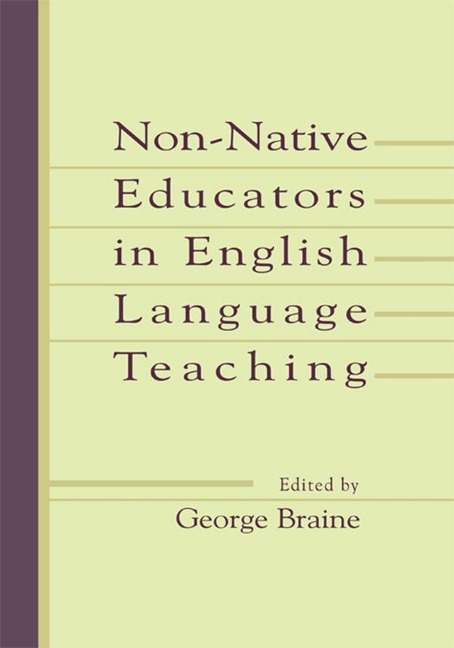
The place of native and non-native speakers in the role of English teachers has probably been an issue ever since English was taught internationally. Although ESL and EFL literature is awash, in fact dependent upon, the scrutiny of non-native learners, interest in non-native academics and teachers is fairly new. Until recently, the voices of non-native speakers articulating their own concerns have been even rarer. This book is a response to this notable vacuum in the ELT literature, providing a forum for language educators from diverse geographical origins and language backgrounds. In addition to presenting autobiographical narratives, these authors argue sociopolitical issues and discuss implications for teacher education, all relating to the theme of non-native educators in ETL. All of the authors are non-native speakers of English. Some are long established professionals, whereas others are more recent initiates to the field. All but one received part of the higher education in North America, and all except two of the chapters are at least partially contextualized in North America. Particularly relevant for non-native speakers who aspire to enter the profession, graduate students in TESOL programs, and teacher educators, the unique nature of this book's contributors and its contents will interest researchers and professionals in applied linguistics generally and in ELT, and all those who are concerned with the role of non-native speakers in English-language teaching.
Braine, George
Contents: Preface. G. Braine, Introduction. Part I: Who We Are.J. Thomas, Voices From the Periphery: Non-Native Teachers and Issues of Credibility. G. Braine, From the Periphery to the Center: One Teacher's Journey. U.N. Connor, Learning to Write Academic Prose in a Second Language: A Literacy Autobiography. X-M. Li, Writing From the Vantage Point of an Outsider/Insider. C. Kramsch, W.S.E. Lam, Textual Identities: The Importance of Being Non-Native. Part II: Sociopolitical Concerns.A.S. Canagarajah, Interrogating the "Native Speaker Fallacy": Non-Linguistic Roots, Non-Pedagogical Results. N. Amin, Minority Women Teachers of ESL: Negotiating White English. M. Oda, English Only or English Plus? The Language(s) of EFL Organizations. Part III: Implications for Teacher Education.K.K. Samimy, J. Brutt-Griffler, To Be a Native or Non-Native Speaker: Perceptions of "Non-Native" Students in a Graduate TESOL Program. L.D. Kamhi-Stein, Preparing Non-Native Professionals in TESOL: Implications for Teacher Education Programs. J. Liu, From Their Own Perspectives: The Impact of Non-Native ESL Professionals on Their Students. P. Medgyes, Language Training: A Neglected Area in Teacher Education. D. Liu, Training Non-Native TESOL Students: Challenges for TESOL Teacher Education in the West.
Dieses eBook wird im PDF-Format geliefert und ist mit einem Adobe Kopierschutz (DRM) versehen. Sie können dieses eBook mit allen Geräten lesen, die das PDF-Format und den Adobe Kopierschutz (DRM) unterstützen.
Zum Beispiel mit den folgenden Geräten:
• tolino Reader
Laden Sie das eBook direkt über den Reader-Shop auf dem tolino herunter oder übertragen Sie das eBook auf Ihren tolino mit einer kostenlosen Software wie beispielsweise Adobe Digital Editions.
• Sony Reader & andere eBook Reader
Laden Sie das eBook direkt über den Reader-Shop herunter oder übertragen Sie das eBook mit der kostenlosen Software Sony READER FOR PC/Mac oder Adobe Digital Editions auf ein Standard-Lesegeräte mit epub- und Adobe DRM-Unterstützung.
• Tablets & Smartphones
Möchten Sie dieses eBook auf Ihrem Smartphone oder Tablet lesen, finden Sie hier unsere kostenlose Lese-App für iPhone/iPad und Android Smartphone/Tablets.
• PC & Mac
Lesen Sie das eBook direkt nach dem Herunterladen mit einer kostenlosen Lesesoftware, beispielsweise Adobe Digital Editions, Sony READER FOR PC/Mac oder direkt über Ihre eBook-Bibliothek in Ihrem Konto unter „Meine eBooks“ - „online lesen“.
Schalten Sie das eBook mit Ihrer persönlichen Adobe ID auf bis zu sechs Geräten gleichzeitig frei.
Bitte beachten Sie, dass die Kindle-Geräte das Format nicht unterstützen und dieses eBook somit nicht auf Kindle-Geräten lesbar ist.